Dozens dead as overloaded ferry sinks on Lake Kariba in Zimbabwe
At least 46 people have died after a vital transport vessel capsized on the massive man-made lake that provides a critical link for rural trading communities.

Hundreds of people gathered in rural Zimbabwe on Friday for a memorial service to honor the victims of a ferry disaster on Lake Kariba. The tragedy, which occurred on Tuesday, resulted in at least 46 deaths and has devastated the local communities that rely on the waterway for their livelihoods. According to France24 Africa, the vessel was a primary transport link for both villagers and fish traders operating around the vast body of water.
Preliminary reports suggest that the boat was overloaded when it encountered difficulties. Overcrowding is a frequent challenge for transport on the lake, where formal infrastructure is often limited and residents depend on private vessels to move goods and passengers across large distances. Lake Kariba, located on the border between Zimbabwe and Zambia, is one of the world's largest man-made reservoirs and serves as a central hub for the regional fishing industry.
Community Impact
The sinking has had a profound impact on the surrounding rural areas, where the ferry served as a lifeline. Many of those on board were traders transporting fish, a staple of the local economy. The loss of life includes many who were the primary breadwinners for their families, further compounding the tragedy for the remote settlements situated along the lake's edge.
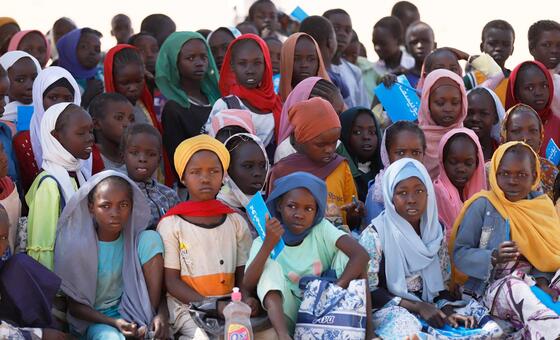
Hundreds of people gathered in rural Zimbabwe on Friday for a memorial service to honor the victims of a ferry disaster on Lake Kariba.
Witnesses and families at the memorial service described the vessel as an essential, if sometimes precarious, means of movement. While the exact technical cause of the sinking remains under investigation, the reports of overloading highlight the persistent safety concerns regarding maritime travel in the region. Emergency services and local volunteers have been involved in recovery efforts since the vessel went down on Tuesday.
Based on reporting by France24 Africa.
احتشد المئات في المناطق الريفية بزيمبابوي يوم الجمعة لحضور مراسم تأبين ضحايا كارثة العبارة في بحيرة كاريبا. وقد أسفرت المأساة التي وقعت يوم الثلاثاء عن مقتل 46 شخصاً على الأقل، مما تسبب في صدمة للمجتمعات المحلية التي تعتمد على الممر المائي في كسب عيشها. ووفقاً لقناة فرانس 24 أفريكا، كانت السفينة تمثل حلقة وصل أساسية للنقل لكل من القرويين وتجار الأسماك العاملين حول المسطح المائي الشاسع.
وتشير التقارير الأولية إلى أن القارب كان محملاً بأكثر من طاقته عندما واجه صعوبات. ويعد الاكتظاظ تحدياً متكرراً للنقل في البحيرة، حيث غالباً ما تكون البنية التحتية الرسمية محدودة ويعتمد السكان على السفن الخاصة لنقل البضائع والركاب عبر مسافات طويلة. وتعد بحيرة كاريبا، الواقعة على الحدود بين زيمبابوي وزامبيا، واحدة من أكبر الخزانات الاصطناعية في العالم وتعمل كمركز رئيسي لصناعة صيد الأسماك الإقليمية.
التأثير على المجتمع
كان لغرق العبارة تأثير عميق على المناطق الريفية المحيطة، حيث كانت العبارة بمثابة شريان حياة. وكان العديد من الذين كانوا على متنها من التجار الذين ينقلون الأسماك، وهي سلعة أساسية في الاقتصاد المحلي. وتشمل الخسائر في الأرواح العديد من المعيلين الأساسيين لأسرهم، مما يزيد من حجم المأساة للمستوطنات النائية الواقعة على ضفاف البحيرة.
ووصف الشهود والأهالي في مراسم التأبين السفينة بأنها وسيلة تنقل ضرورية، وإن كانت محفوفة بالمخاطر في بعض الأحيان. وبينما لا يزال السبب الفني الدقيق للغرق قيد التحقيق، فإن التقارير حول زيادة الحمولة تسلط الضوء على مخاوف السلامة المستمرة المتعلقة بالسفر البحري في المنطقة. وقد شاركت خدمات الطوارئ والمتطوعون المحليون في جهود الانتشال منذ غرق السفينة يوم الثلاثاء.