Ebola death toll reaches two thousand in Democratic Republic of the Congo
The latest health data indicates the current Ebola epidemic is the fastest-growing on record as conflict and infrastructure issues hinder the delivery of medical assistance.

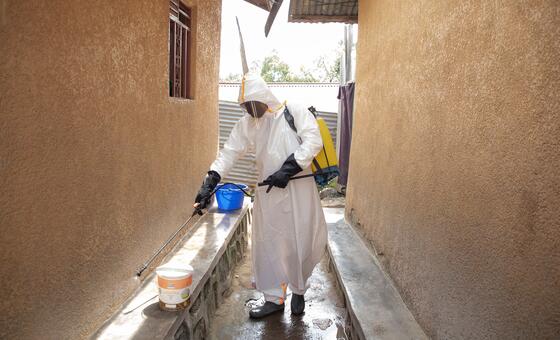
At least 2,000 people have died in the Democratic Republic of the Congo during the current Ebola outbreak, marking the fastest-growing escalation of the virus on record. According to data reported by France24 Africa, health authorities are facing significant structural and security barriers that prevent life-saving interventions from reaching the most affected populations.
Obstacles to medical intervention
The delivery of medical aid to remote localities remains severely restricted. Relief efforts are currently hampered by ongoing rebel conflicts in the region, which pose a direct threat to healthcare workers and transport logistics. These security concerns are compounded by the poor condition of the country's road networks, making it difficult for teams to move supplies and personnel to isolated areas where the virus is spreading.
Internal labor disputes
In addition to external security and logistical threats, the response is being undermined by internal labor issues. Work stoppages have occurred among health staff due to disputes over payment. These strikes have further slowed the distribution of help as the country attempts to manage the rapid transmission of the disease.
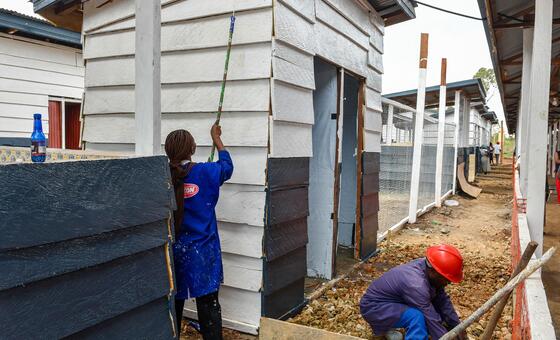
The delivery of medical aid to remote localities remains severely restricted.
This outbreak has now established a historical precedent for its speed of transmission. The combination of armed conflict and administrative failures continues to challenge the ability of the Congolese government and international health organizations to contain the spread of the virus within the central African nation.
Based on reporting by France24 Africa.
لقي ما لا يقل عن 2000 شخص حتفهم في جمهورية الكونغو الديمقراطية خلال تفشي فيروس إيبولا الحالي، مما يمثل أسرع تصاعد للفيروس تم تسجيله على الإطلاق. ووفقاً لبيانات أوردتها قناة فرانس 24 أفريقيا، تواجه السلطات الصحية حواجز هيكلية وأمنية كبيرة تمنع وصول التدخلات الطبية المنقذة للحياة إلى السكان الأكثر تضرراً.
عقبات أمام التدخل الطبي
لا يزال تقديم المساعدات الطبية للمناطق النائية مقيداً بشكل كبير. وتتعرقل جهود الإغاثة حالياً بسبب النزاعات المتمردة المستمرة في المنطقة، والتي تشكل تهديداً مباشراً للعاملين في مجال الرعاية الصحية ولوجستيات النقل. وتتفاقم هذه المخاوف الأمنية بسبب الحالة السيئة لشبكات الطرق في البلاد، مما يجعل من الصعب على الفرق نقل الإمدادات والموظفين إلى المناطق المعزولة حيث ينتشر الفيروس.
نزاعات عمالية داخلية
بالإضافة إلى التهديدات الأمنية واللوجستية الخارجية، تتقوض الاستجابة بسبب مشاكل عمالية داخلية. فقد توقف العمل بين الموظفين الصحيين بسبب نزاعات حول الدفع. وأدت هذه الإضرابات إلى إبطاء توزيع المساعدات في وقت تحاول فيه البلاد السيطرة على الانتقال السريع للمرض.
وقد سجل هذا التفشي الآن سابقة تاريخية لسرعة انتقاله. ويستمر مزيج الصراع المسلح والإخفاقات الإدارية في تحدي قدرة حكومة الكونغو والمنظمات الصحية الدولية على احتواء انتشار الفيروس داخل الدولة الواقعة في وسط أفريقيا.