South Korean Footballers Seek Schedule Shift Due to Rising Temperatures
Professional players in the K League are calling for a transition to a winter-based season to protect athletes from the physical toll of extreme summer heat.
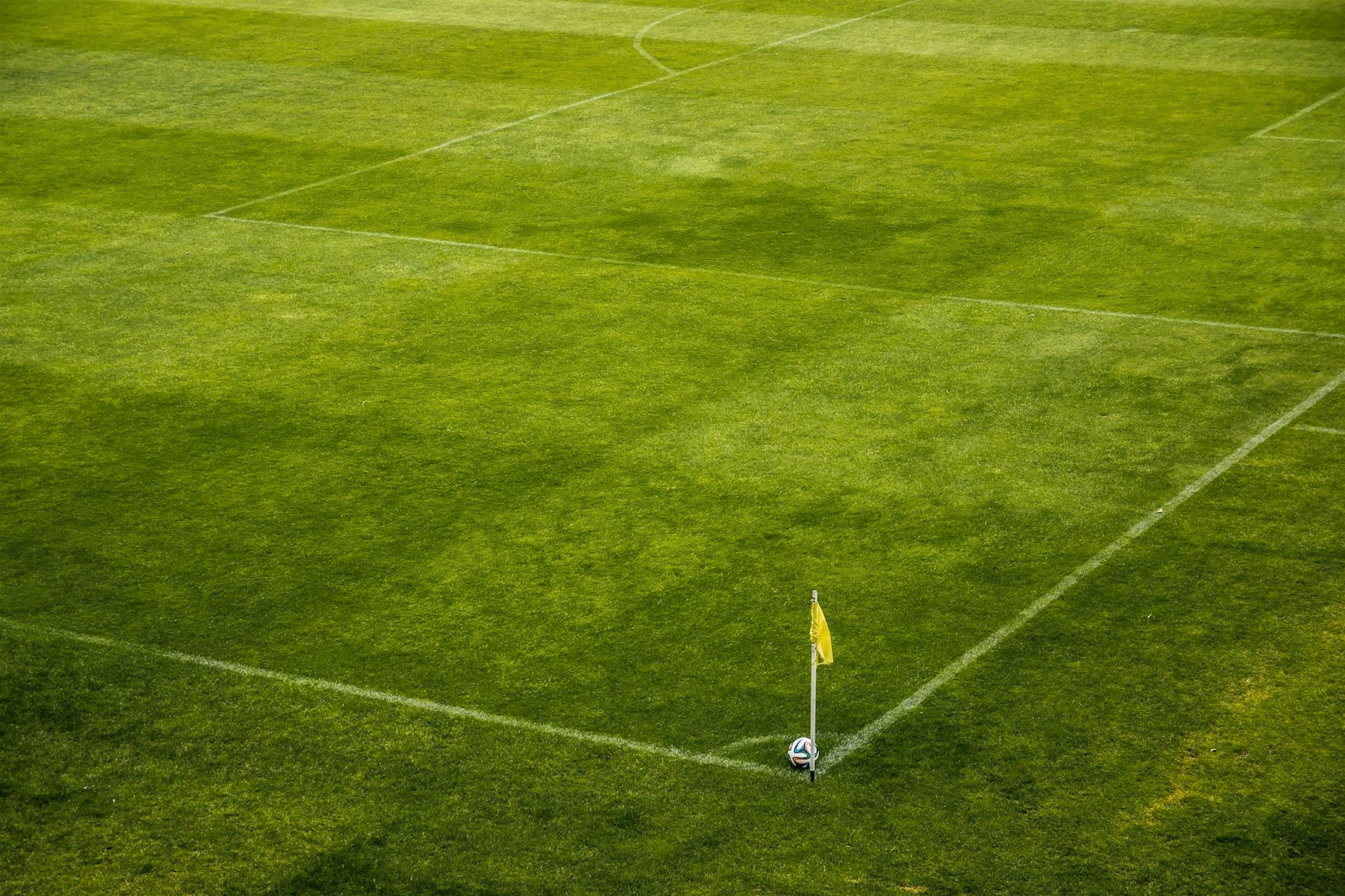
Professional footballers in South Korea are advocating for a fundamental change to the domestic league calendar in response to deteriorating climatic conditions. According to Al Jazeera Africa, players in the K League have expressed a desire to move away from the current spring-to-autumn schedule to avoid competing during the most intense periods of summer heat.
The request comes as rising temperatures increasingly impact the quality of play and the physical well-being of the athletes. Under the existing format, the K League season runs through the peak of the Korean summer, often forcing matches to be played in high humidity and extreme thermal conditions. Players have described the current environment as "punishing," suggesting that the weather is making it difficult to maintain professional standards on the pitch.
Adapting to Climate Shifts
The push for a season shift reflects a broader concern within the sport regarding the long-term viability of summer matches. South Korea's climate has traditionally featured four distinct seasons, but intensifying heatwaves in recent years have made the mid-year months particularly challenging for high-intensity outdoor activities. By moving to a schedule that aligns more closely with European leagues, which typically run from autumn to spring, the K League would avoid the most severe summer peaks.
The request comes as rising temperatures increasingly impact the quality of play and the physical well-being of the athletes.
While the players' union and individual athletes have voiced their support for the transition, any change would require significant logistical adjustments for the Korea Professional Football Federation. Such a shift would involve navigating the colder winter months and potential stadium heating requirements, as well as coordinating with the Asian Football Confederation's continental tournament schedules. For the players, however, the primary concern remains the immediate impact of the worsening climate on their professional health and the sustainability of the game.
Based on reporting by Al Jazeera Africa.
يدعو لاعبو كرة القدم المحترفون في كوريا الجنوبية إلى إجراء تغيير جذري في تقويم الدوري المحلي استجابةً للظروف المناخية المتدهورة. ووفقاً لقناة الجزيرة أفريقيا، أعرب لاعبو الدوري الكوري (K League) عن رغبتهم في الابتعاد عن الجدول الحالي الذي يمتد من الربيع إلى الخريف لتجنب التنافس خلال فترات الصيف الأكثر حرارة.
ويأتي هذا الطلب في وقت تؤثر فيه درجات الحرارة المرتفعة بشكل متزايد على جودة اللعب والسلامة البدنية للرياضيين. وبموجب التنسيق الحالي، يستمر موسم الدوري الكوري خلال ذروة الصيف، مما يضطر الفرق غالباً لخوض المباريات في ظل رطوبة عالية وظروف حرارية قاسية. وقد وصف اللاعبون البيئة الحالية بأنها "عقابية"، مشيرين إلى أن الطقس يجعل من الصعب الحفاظ على المعايير المهنية في الملعب.
التكيف مع التحولات المناخية
يعكس التوجه نحو تغيير الموسم قلقاً أوسع نطاقاً داخل الرياضة فيما يتعلق بالاستمرارية طويلة الأمد للمباريات الصيفية. وقد تميز مناخ كوريا الجنوبية تقليدياً بأربعة فصول متميزة، لكن موجات الحر المكثفة في السنوات الأخيرة جعلت أشهر منتصف العام صعبة بشكل خاص للأنشطة الخارجية عالية الكثافة. ومن خلال الانتقال إلى جدول زمني يتماشى بشكل أكبر مع الدوريات الأوروبية، التي تبدأ عادة من الخريف إلى الربيع، سيتجنب الدوري الكوري أشد ذروات الصيف حرارة.
بينما أعرب اتحاد اللاعبين والرياضيين عن دعمهم لهذا التحول، فإن أي تغيير سيتطلب تعديلات لوجستية كبيرة من قبل رابطة الدوري الكوري المحترف لكرة القدم. وسيتضمن هذا التحول التعامل مع أشهر الشتاء الباردة ومتطلبات تدفئة الملاعب المحتملة، بالإضافة إلى التنسيق مع جداول البطولات القارية للاتحاد الآسيوي لكرة القدم. ومع ذلك، يظل الشاغل الرئيسي للاعبين هو التأثير المباشر للمناخ المتدهور على صحتهم المهنية واستدامة اللعبة.