Ebola outbreak reaches displacement camps in eastern Democratic Republic of the Congo
The United Nations refugee agency reports that nineteen internally displaced people have contracted the Bundibugyo species of the virus, resulting in five deaths as aid groups increase monitoring.

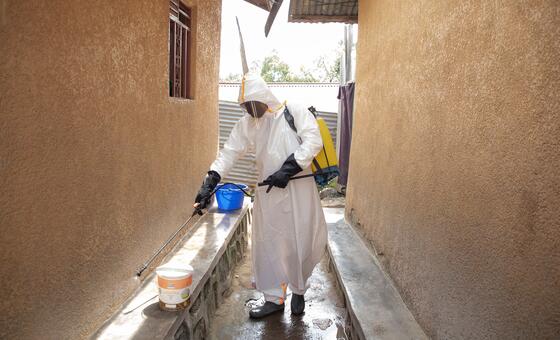
United Nations agencies are on high alert following reports that the Ebola virus has reached camps for internally displaced persons in the Democratic Republic of the Congo. According to the UN refugee agency (UNHCR), the outbreak involves the Bundibugyo species of the virus, which is currently spreading rapidly within the country.
At least 19 internally displaced people have been infected in the current cluster. Health officials have confirmed five deaths among those cases. The arrival of the virus in displacement camps presents a significant challenge for humanitarian organizations, as these locations often feature high population density and limited infrastructure, which can facilitate the transmission of infectious diseases.
Humanitarian Response
In response to the confirmed cases and fatalities, international agencies have moved to a state of high alert. The UNHCR is monitoring the situation closely as the Bundibugyo species continues to move through different regions. This specific strain of Ebola is one of several known to cause viral hemorrhagic fever in the region, and its presence in vulnerable communities necessitates urgent containment measures.
At least 19 internally displaced people have been infected in the current cluster.
Efforts are currently focused on identifying contacts and preventing further spread within the camps. The Democratic Republic of the Congo has faced multiple Ebola outbreaks in its history, but the intersection of the virus with large-scale internal displacement creates complex logistical and medical hurdles for those providing aid on the ground.
Based on reporting by UN News Africa.
تستعد وكالات الأمم المتحدة لحالة طوارئ قصوى عقب تقارير تفيد بوصول فيروس إيبولا إلى مخيمات النازحين داخلياً في جمهورية الكونغو الديمقراطية. ووفقاً للمفوضية السامية للأمم المتحدة لشؤون اللاجئين، تفشى سلالة "بونديبوغيو" من الفيروس، والتي تنتشر حالياً بسرعة داخل البلاد.
أصيب ما لا يقل عن 19 نازحاً في المجموعة الحالية، وأكد المسؤولون الصحيون وقوع خمس وفيات بين تلك الحالات. ويمثل وصول الفيروس إلى مخيمات النزوح تحدياً كبيراً للمنظمات الإنسانية، حيث تتميز هذه المواقع غالباً بكثافة سكانية عالية وبنية تحتية محدودة، مما قد يسهل انتقال الأمراض المعدية.
الاستجابة الإنسانية
استجابة للحالات المؤكدة والوفيات، انتقلت الوكالات الدولية إلى حالة التأهب القصوى. وتراقب مفوضية اللاجئين الوضع عن كثب مع استمرار انتقال سلالة بونديبوغيو عبر مناطق مختلفة. وتعد هذه السلالة واحدة من عدة سلالات معروفة تسبب الحمى النزفية الفيروسية في المنطقة، ويتطلب وجودها في المجتمعات الضعيفة تدابير احتواء عاجلة.
تتركز الجهود حالياً على تحديد المخالطين ومنع المزيد من الانتشار داخل المخيمات. وقد واجهت جمهورية الكونغو الديمقراطية فاشيات متعددة لإيبولا في تاريخها، ولكن تقاطع الفيروس مع النزوح الداخلي واسع النطاق يخلق عقبات لوجستية وطبية معقدة لمقدمي المساعدات على الأرض.