Drone strikes disrupt humanitarian aid and endanger civilians across Sudan
The United Nations reports that unmanned aerial vehicle attacks are significantly hindering relief operations and posing lethal risks to populations in areas affected by the ongoing conflict.
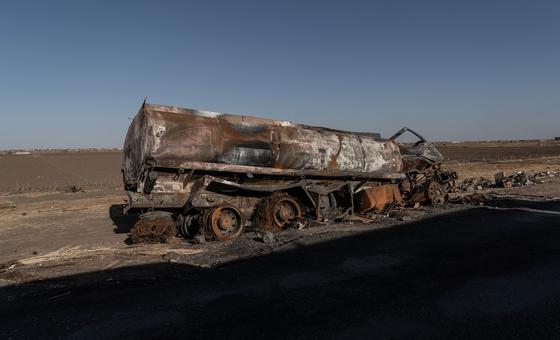
Drone strikes are increasingly endangering civilian lives and obstructing critical humanitarian operations in Sudan, according to the United Nations Office for the Coordination of Humanitarian Affairs (OCHA). The agency reported on Monday that the use of unmanned aerial systems in the ongoing conflict has created new layers of risk for both non-combatants and aid workers.
The proliferation of these aerial attacks has impacted several conflict-hit regions, making it difficult for international agencies to maintain safe corridors for the delivery of food, medicine, and essential supplies. OCHA noted that the persistent nature of these strikes has hampered the ability of humanitarian teams to reach vulnerable populations who are already suffering from the broader consequences of the war.
Impact on Aid Delivery
As the conflict continues, the humanitarian infrastructure has come under direct and indirect threat from drone technology. The UN aid coordination office highlighted that the unpredictability of such strikes makes the logistical planning of aid convoys increasingly complex. Safety concerns for personnel have led to necessary but restrictive pauses in operations, further isolating communities in need of urgent assistance.
As the conflict continues, the humanitarian infrastructure has come under direct and indirect threat from drone technology.
Beyond the immediate logistical challenges, the psychological and physical toll on civilians remains a primary concern for international observers. The strikes have hit areas where displaced persons and local residents are concentrated, leading to casualties and the destruction of civilian assets. OCHA emphasized that the continued use of drones in this manner complicates the international community's efforts to provide a sustained response to the crisis.
Sudan has been gripped by intense fighting between rival military factions for over a year, resulting in one of the world's most severe humanitarian emergencies. The latest reports from UN officials indicate that the integration of drone warfare into the conflict is exacerbating the difficulty of protecting those caught in the crossfire.
Based on reporting by UN News Africa.
أفاد مكتب الأمم المتحدة لتنسيق الشؤون الإنسانية (أوتشا) أن ضربات الطائرات المسيرة تعرض حياة المدنيين للخطر بشكل متزايد وتعيق العمليات الإنسانية الحيوية في السودان. وذكرت الوكالة يوم الاثنين أن استخدام الأنظمة الجوية غير المأهولة في الصراع الدائر قد خلق مستويات جديدة من المخاطر لكل من غير المقاتلين وعمال الإغاثة.
وقد أثر انتشار هذه الهجمات الجوية على العديد من المناطق المتضررة من الصراع، مما جعل من الصعب على الوكالات الدولية الحفاظ على ممرات آمنة لتوصيل الغذاء والدواء والإمدادات الأساسية. وأشار مكتب تنسيق الشؤون الإنسانية إلى أن الطبيعة المستمرة لهذه الضربات قد أعاقت قدرة فرق الإغاثة على الوصول إلى السكان الضعفاء الذين يعانون بالفعل من العواقب الأوسع للحرب.
تأثير الهجمات على تقديم المساعدات
مع استمرار الصراع، تعرضت البنية التحتية الإنسانية لتهديدات مباشرة وغير مباشرة من تكنولوجيا الطائرات المسيرة. وأكد مكتب تنسيق الشؤون الإنسانية التابع للأمم المتحدة أن عدم القدرة على التنبؤ بمثل هذه الضربات يجعل التخطيط اللوجستي لقوافل المساعدات معقداً بشكل متزايد. وقد أدت المخاوف الأمنية على الموظفين إلى توقف ضروري ولكن مقيد للعمليات، مما زاد من عزلة المجتمعات التي تحتاج إلى مساعدة عاجلة.
وعلاوة على التحديات اللوجستية الفورية، يظل الخسائر النفسية والجسدية بين المدنيين مصدر قلق رئيسي للمراقبين الدوليين. وقد أصابت الضربات مناطق يتركز فيها النازحون والسكان المحليون، مما أدى إلى وقوع ضحايا وتدمير الممتلكات المدنية. وشدد مكتب تنسيق الشؤون الإنسانية على أن الاستخدام المستمر للطائرات المسيرة بهذا الأسلوب يعقد جهود المجتمع الدولي لتقديم استجابة مستدامة للأزمة.
يعاني السودان من قتال عنيف بين فصائل عسكرية متنافسة منذ أكثر من عام، مما أسفر عن واحدة من أخطر حالات الطوارئ الإنسانية في العالم. وتشير أحدث التقارير الصادرة عن مسؤولي الأمم المتحدة إلى أن دمج حرب الطائرات المسيرة في الصراع يفاقم من صعوبة حماية العالقين في تبادل إطلاق النار.