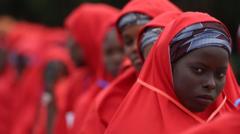
Eritrean refugee students in Sudan resume studies despite ongoing national conflict
Displaced students who fled the fighting in Khartoum and Madani are finding new ways to access higher education after initially losing hope due to the war.
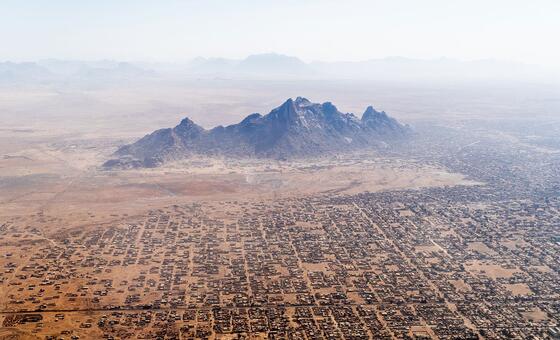
The ongoing conflict in Sudan has forced thousands of university students to abandon their academic ambitions, but some refugees are now returning to their studies in safer regions. For many young people displaced by the violence, the transition from active learning to survival has been a repeated cycle as the front lines of the war shifted across the country.
Sarah Tekhlu, an Eritrean refugee, represents the struggle of many who were forced to flee multiple times. Originally based in Khartoum, the outbreak of hostilities forced her to seek safety in Madani. However, as the conflict expanded, she was forced to move again, eventually arriving in Port Sudan. These successive displacements led many students to conclude that pursuing a degree was a luxury that could no longer be sustained under such volatile conditions.
Overcoming repeated displacement
The psychological toll of the war initially led Tekhlu to consider giving up on her university education entirely. The destruction of infrastructure and the constant need to relocate created significant barriers to academic continuity. Port Sudan has since become a critical hub for those seeking both safety and a chance to restart their lives, as reported by UN News Africa.
Sarah Tekhlu, an Eritrean refugee, represents the struggle of many who were forced to flee multiple times.
Despite the hardships, the resumption of educational activities has provided a sense of purpose for those who have lost their homes and stability. For students who have navigated the dangerous routes from the capital to the Red Sea coast, the opportunity to study again represents more than just academic progress; it serves as a way to envision a future beyond the immediate constraints of the war. This resilience highlights the determination of the refugee community to maintain their development even as the national crisis continues to impact all sectors of Sudanese society.
Based on reporting by UN News Africa.
أجبر النزاع المستمر في السودان آلاف الطلاب الجامعيين على التخلي عن طموحاتهم الأكاديمية، لكن بعض اللاجئين يعودون الآن إلى دراستهم في مناطق أكثر أماناً. بالنسبة للعديد من الشباب الذين نزحوا بسبب العنف، كان الانتقال من التعلم النشط إلى محاولة البقاء على قيد الحياة دورة متكررة مع انتقال خطوط المواجهة في الحرب عبر البلاد.
تمثل سارة تخلو، وهي لاجئة إريترية، معاناة الكثيرين الذين اضطروا للفرار عدة مرات. فبعد أن كانت تقيم في الخرطوم، أجبرها اندلاع الأعمال العدائية على البحث عن الأمان في مدني. ومع ذلك، مع توسع النزاع، اضطرت للنزوح مرة أخرى، لتستقر في نهاية المطاف في بورتسودان. وقد أدى هذا النزوح المتتالي بالعديد من الطلاب إلى استنتاج أن متابعة الدرجة الجامعية كانت رفاهية لم يعد من الممكن الحفاظ عليها في ظل هذه الظروف المتقلبة.
التغلب على النزوح المتكرر
أدت الآثار النفسية للحرب في البداية بسارة تخلو إلى التفكير في التخلي عن تعليمها الجامعي تماماً. وقد خلق دمار البنية التحتية والحاجة المستمرة للانتقال عوائق كبيرة أمام الاستمرار الأكاديمي. ومنذ ذلك الحين، أصبحت بورتسودان مركزاً حيوياً لأولئك الذين يبحثون عن الأمان وفرصة لإعادة بناء حياتهم، وفقاً لما أفادت به أخبار الأمم المتحدة في أفريقيا.
ورغم الصعاب، وفر استئناف الأنشطة التعليمية شعوراً بالأمل لأولئك الذين فقدوا منازلهم واستقرارهم. بالنسبة للطلاب الذين سلكوا الطرق الخطرة من العاصمة إلى ساحل البحر الأحمر، فإن فرصة الدراسة مرة أخرى تمثل أكثر من مجرد تقدم أكاديمي؛ فهي تعمل كوسيلة لتصور مستقبل يتجاوز القيود المباشرة للحرب. ويسلط هذا الصمود الضوء على عزيمة مجتمع اللاجئين على مواصلة تطورهم حتى مع استمرار تأثير الأزمة الوطنية على جميع قطاعات المجتمع السوداني.