Escalating Temperatures Threaten Resilience of Camels Across the African Continent
Pastoralist communities and environmental experts report that extreme heat is now exceeding the biological limits of camels, traditionally known for their endurance in arid environments.
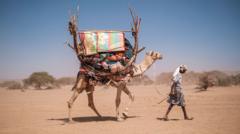
Rising temperatures across Africa are challenging the survival of camels, animals long considered the most resilient livestock in the continent's arid regions. According to reports from the BBC, herders and environmental experts warn that the intensity of recent heatwaves is beginning to overwhelm the physiological adaptations of these animals, often referred to as the "ships of the desert."
For centuries, camels have been the backbone of pastoralist economies in the Sahel and Horn of Africa, providing transport, milk, and meat where other livestock would perish. However, the current trend of extreme heat is altering this status quo. Experts indicate that the frequency and duration of thermal stress are now so severe that even these adapted creatures are showing signs of exhaustion and physical decline.
Impact on Pastoralist Livelihoods
Herder communities, who rely almost exclusively on camels for their survival in increasingly harsh landscapes, have observed a noticeable shift in the health of their herds. The BBC reports that the animals are struggling to cope with the lack of recovery time between periods of intense solar radiation. This shift threatens the food security and economic stability of millions who reside in the continent's most vulnerable drylands.
However, the current trend of extreme heat is altering this status quo.
Environmental researchers suggest that while camels possess unique cooling mechanisms, such as fluctuating body temperatures and specialized kidneys, there is a biological ceiling to what they can endure. As global temperatures continue to rise, the traditional reliance on camels as a climate-proof asset is being called into question. This development highlights the escalating severity of the climate crisis in regions that contribute the least to global emissions but suffer the most from its consequences.
Based on reporting by BBC Africa.
تتحدى درجات الحرارة المرتفعة في جميع أنحاء أفريقيا بقاء الجمال، وهي الحيوانات التي اعتُبرت لفترة طويلة الماشية الأكثر صموداً في المناطق القاحلة في القارة. ووفقاً لتقارير صادرة عن هيئة الإذاعة البريطانية (بي بي سي)، يحذر الرعاة وخبراء البيئة من أن شدة موجات الحر الأخيرة بدأت تتجاوز التكيفات الفسيولوجية لهذه الحيوانات، التي تُعرف غالباً باسم "سفن الصحراء".
على مدى قرون، كانت الجمال العمود الفقري للاقتصادات الرعوية في منطقة الساحل والقرن الأفريقي، حيث وفرت النقل والحليب واللحوم في أماكن قد تهلك فيها الماشية الأخرى. ومع ذلك، فإن الاتجاه الحالي للحرارة الشديدة يغير هذا الوضع الراهن. ويشير الخبراء إلى أن تكرار ومدة الإجهاد الحراري أصبحت الآن شديدة لدرجة أن حتى هذه المخلوقات المتكيفة تظهر عليها علامات الإرهاق والتدهور البدني.
التأثير على سبل عيش الرعاة
لاحظت المجتمعات الرعوية، التي تعتمد بشكل حصري تقريباً على الجمال من أجل بقائها في المناظر الطبيعية القاسية بشكل متزايد، تحولاً ملحوظاً في صحة قطعانها. وذكرت هيئة الإذاعة البريطانية أن الحيوانات تكافح من أجل التعامل مع نقص وقت التعافي بين فترات الإشعاع الشمسي المكثف. ويهدد هذا التحول الأمن الغذائي والاستقرار الاقتصادي للملايين الذين يقيمون في الأراضي الجافة الأكثر عرضة للخطر في القارة.
يشير باحثو البيئة إلى أنه على الرغم من أن الجمال تمتلك آليات تبريد فريدة، مثل تقلب درجات حرارة الجسم والكلى المتخصصة، إلا أن هناك سقفاً بيولوجياً لما يمكنها تحمله. ومع استمرار ارتفاع درجات الحرارة العالمية، أصبح الاعتماد التقليدي على الجمال كأصل مقاوم للمناخ موضع تساؤل. ويسلط هذا التطور الضوء على الشدة المتصاعدة لأزمة المناخ في المناطق التي تساهم بأقل قدر في الانبعاثات العالمية ولكنها تعاني أكثر من غيرها من عواقبها.