Humanitarian Crisis Deepens for Displaced People in Sudan City of El Obeid
United Nations aid officials have warned of a sharp increase in humanitarian requirements for more than 100,000 people currently seeking refuge in urban camps.
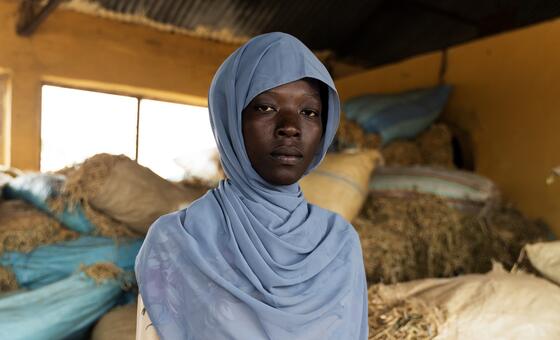
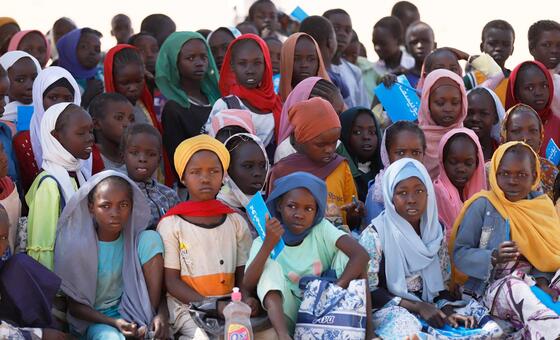
The humanitarian situation in the Sudanese city of El Obeid has reached a critical point as the number of displaced persons seeking shelter continues to rise. UN humanitarians reported on Friday that over 100,000 individuals are currently living in camps across the city, where access to basic necessities is becoming increasingly limited. The influx of people into these urban shelters follows prolonged instability that has forced families to flee their original homes.
El Obeid, the capital of North Kordofan state, has become a primary destination for those escaping conflict in the surrounding regions. The concentration of displaced populations in a single urban center has placed immense pressure on existing infrastructure and the delivery of essential services. According to UN News Africa, the needs of these families are growing at a rapid pace, outpacing the current capacity of international aid organizations to provide adequate relief.
Escalating Needs in Urban Camps
The conditions within the camps are characterized by deepening hunger and a lack of resources to support the massive population. Humanitarian workers on the ground have highlighted that the situation is deteriorating as the number of arrivals remains high. The primary focus of the international response is currently on addressing the immediate requirements for food and shelter, though the scale of the crisis presents significant logistical challenges.
The influx of people into these urban shelters follows prolonged instability that has forced families to flee their original homes.
The strategic location of El Obeid as a transport hub in central Sudan makes it a vital point for humanitarian operations, yet the ongoing war has hampered the consistent flow of supplies. As the displacement crisis enters a more severe phase, aid officials are emphasizing the urgency of sustained support to prevent a further decline in the health and security of those living in the camps. The current figures suggest that the 100,000 people identified are facing an increasingly uncertain future without a significant increase in humanitarian intervention.
Based on reporting by UN News Africa.
وصل الوضع الإنساني في مدينة الأبيض السودانية إلى نقطة حرجة مع استمرار ارتفاع عدد النازحين الباحثين عن مأوى. وأفاد مسؤولون إنسانيون في الأمم المتحدة يوم الجمعة أن أكثر من 100 ألف فرد يعيشون حالياً في مخيمات بجميع أنحاء المدينة، حيث أصبح الوصول إلى الضروريات الأساسية محدوداً بشكل متزايد. ويأتي تدفق الناس إلى هذه الملاجئ الحضرية في أعقاب حالة عدم الاستقرار المطولة التي أجبرت العائلات على الفرار من ديارهم الأصلية.
وقد أصبحت مدينة الأبيض، عاصمة ولاية شمال كردفان، وجهة رئيسية للفارين من النزاع في المناطق المجاورة. وقد شكل تركز النازحين في مركز حضري واحد ضغطاً هائلاً على البنية التحتية القائمة وتقديم الخدمات الأساسية. ووفقاً لـ "أخبار الأمم المتحدة أفريقيا"، فإن احتياجات هذه الأسر تنمو بوتيرة سريعة، مما يتجاوز القدرة الحالية للمنظمات الإغاثية الدولية على تقديم المساعدات الكافية.
تصاعد الاحتياجات في المخيمات الحضرية
تتميز الظروف داخل المخيمات بتفاقم الجوع ونقص الموارد لدعم السكان الهائلين. وسلط عمال الإغاثة في الميدان الضوء على أن الوضع يتدهور مع استمرار ارتفاع عدد الواصلين. وينصب التركيز الأساسي للاستجابة الدولية حالياً على معالجة المتطلبات الفورية من الغذاء والمأوى، رغم أن حجم الأزمة يفرض تحديات لوجستية كبيرة.
إن الموقع الاستراتيجي للأبيض كمركز نقل في وسط السودان يجعلها نقطة حيوية للعمليات الإنسانية، ومع ذلك فإن الحرب المستمرة قد أعاقت التدفق المنتظم للإمدادات. ومع دخول أزمة النزوح مرحلة أكثر خطورة، يشدد مسؤولو الإغاثة على ضرورة الدعم المستمر لمنع المزيد من التدهور في صحة وأمن المقيمين في المخيمات. وتشير الأرقام الحالية إلى أن 100 ألف شخص تم تحديدهم يواجهون مستقبلاً غير مؤكد بشكل متزايد دون زيادة كبيرة في التدخل الإنساني.