Russian UN Envoy Criticizes United States Maritime Policy in Strait of Hormuz
Mikhail Ulyanov stated that American actions against Iran have compromised freedom of navigation through the strategic waterway and characterized current Washington logic as a strategic mistake.
Mikhail Ulyanov, the permanent representative of Russia to the United Nations, has issued a public critique of United States policy regarding the Strait of Hormuz. In a statement released on the social media platform X, the envoy argued that the American approach to the region has fundamentally undermined the very freedom of navigation it claims to support.
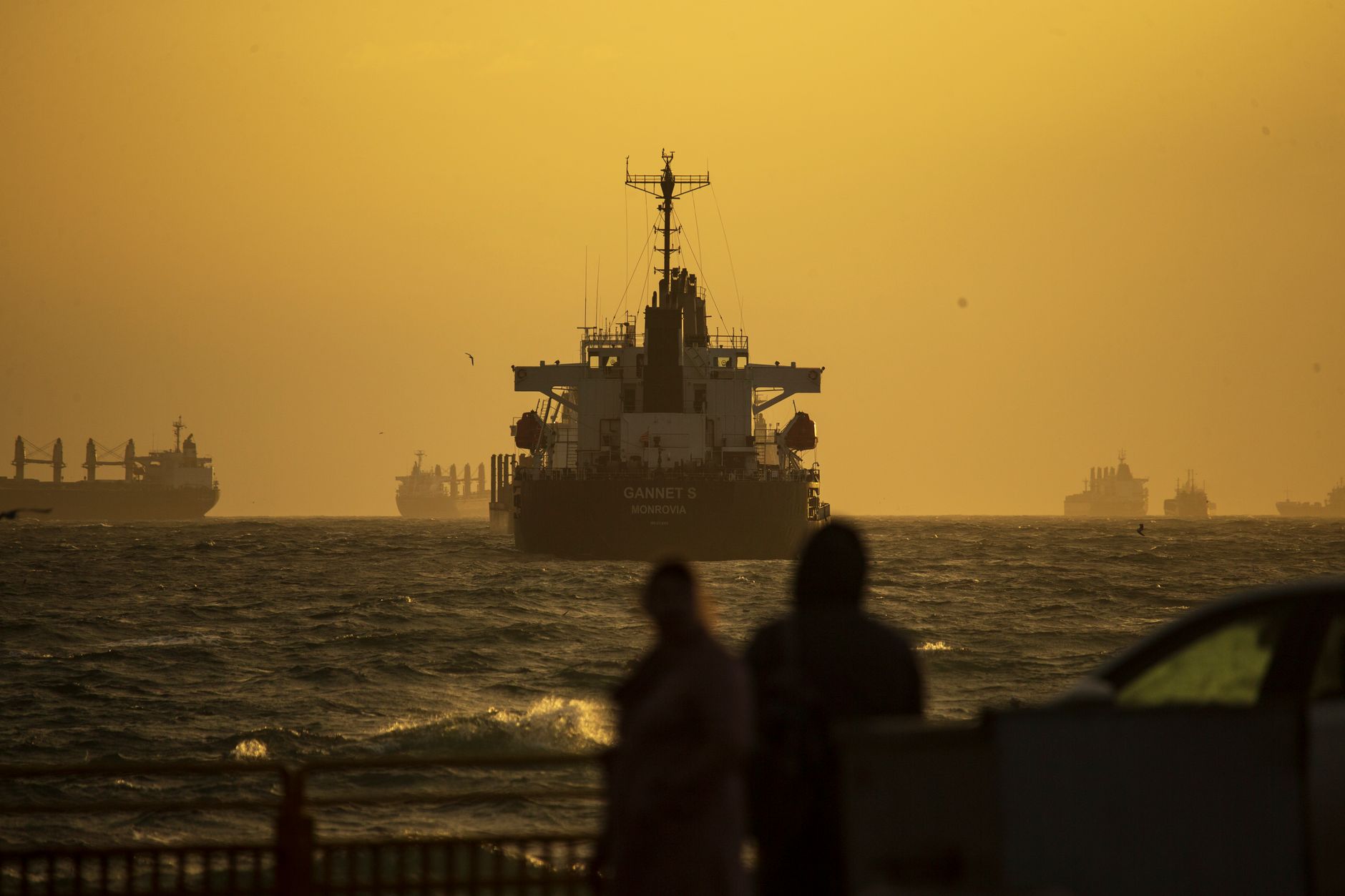
The Strait of Hormuz is one of the world's most critical maritime corridors, serving as a primary transit point for global oil supplies. Situated between Oman and Iran, the narrow waterway connects the Persian Gulf with the Gulf of Oman and the Arabian Sea. Tensions in these waters frequently impact global energy markets and international security dynamics.
Critique of American Strategy
According to Middle East Eye, Ulyanov questioned the internal consistency of the logic employed by the administration of US President Donald Trump. The envoy asserted that while Washington expresses a desire for unhindered passage through the strait, its own "aggression against Iran" has been the primary factor ruining that freedom.
The Strait of Hormuz is one of the world's most critical maritime corridors, serving as a primary transit point for global oil supplies.
Ulyanov characterized the current US trajectory as an attempt to rectify a previous "strategic mistake" through the further escalation of conflict. He suggested that the continued reliance on military or confrontational means to address maritime security issues was a flawed approach, stating that "something is wrong here" regarding the American rationale.
Regional Implications
The Russian diplomat's comments reflect the ongoing friction between major powers over the policing of international shipping lanes. Russia has frequently positioned itself as a critic of unilateral US sanctions and military posturing in the Middle East, often advocating for different multilateral frameworks for regional security.
The dispute highlights the fragile state of maritime diplomacy in the Gulf. As the US seeks to maintain a coalition-led presence to protect commercial vessels, Russia continues to frame these actions as the root cause of instability rather than a solution to it.
Based on reporting by Middle East Eye.
وجه ميخائيل أوليانوف، الممثل الدائم لروسيا لدى الأمم المتحدة، انتقادات علنية للسياسة الأمريكية المتعلقة بمضيق هرمز. وفي بيان نُشر على منصة التواصل الاجتماعي "إكس"، جادل المبعوث بأن النهج الأمريكي تجاه المنطقة قد قوض بشكل أساسي حرية الملاحة التي تدعي واشنطن دعمها.
يعد مضيق هرمز أحد أهم الممرات البحرية في العالم، حيث يعمل كنقطة عبور رئيسية لإمدادات النفط العالمية. ويقع الممر المائي الضيق بين عمان وإيران، ويربط الخليج العربي بخليج عمان وبحر العرب. وغالباً ما تؤثر التوترات في هذه المياه على أسواق الطاقة العالمية وديناميكيات الأمن الدولي.
انتقاد الاستراتيجية الأمريكية
وبحسب موقع "ميدل إيست آي"، شكك أوليانوف في الاتساق الداخلي للمنطق الذي تتبعه إدارة الرئيس الأمريكي دونالد ترامب. وأكد المبعوث أنه بينما تعرب واشنطن عن رغبتها في المرور دون عوائق عبر المضيق، فإن "عدوانها على إيران" كان العامل الرئيسي في تدمير تلك الحرية.
ووصف أوليانوف المسار الأمريكي الحالي بأنه محاولة لتصحيح "خطأ استراتيجي" سابق من خلال استمرار تصعيد الصراع. واقترح أن الاعتماد المستمر على الوسائل العسكرية أو المواجهة لمعالجة قضايا الأمن البحري هو نهج معيب، صرح بأن "هناك خطأ ما" فيما يتعلق بالمنطق الأمريكي.
التداعيات الإقليمية
تعكس تصريحات الدبلوماسي الروسي الاحتكاك المستمر بين القوى الكبرى حول مراقبة ممرات الشحن الدولية. ولطالما وضعت روسيا نفسها في موقع الناقد للعقوبات الأمريكية أحادية الجانب والتموضع العسكري في الشرق الأوسط، وغالباً ما تدعو إلى أطر متعددة الأطراف مختلفة للأمن الإقليمي.
يسلط هذا النزاع الضوء على الحالة الهشة للدبلوماسية البحرية في الخليج. وبينما تسعى الولايات المتحدة إلى الحفاظ على وجود تقوده التحالفات لحماية السفن التجارية، تستمر روسيا في تصوير هذه التصرفات على أنها السبب جذري لعدم الاستقرار وليست حلاً له.