Satellite data shows increased building destruction in Gaza following failed ceasefire
New assessments from United Nations agencies indicate that structural damage in the Gaza Strip rose by nearly 10 per cent after a brief cessation of hostilities collapsed.
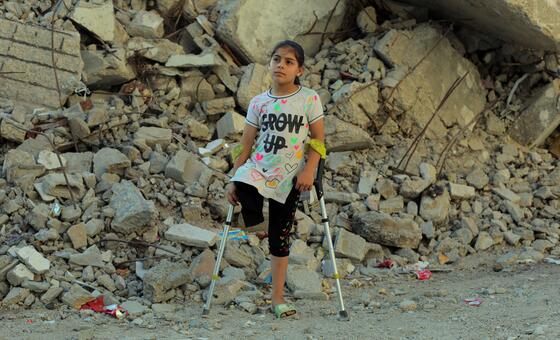
The scale of structural destruction in the Gaza Strip has intensified significantly following the failure of a ceasefire agreement originally intended to end two years of conflict. According to data released by United Nations agencies on Thursday, the number of destroyed buildings has risen by nearly 10 per cent since the October truce between Hamas and Israeli forces faltered.
The findings, based on recent satellite imagery and assessments, highlight the ongoing impact of a war that has systematically reduced major urban centers to rubble. The conflict has reached its second year, resulting in a humanitarian crisis that has displaced more than one million residents from their homes across the territory.
Impact of the collapsed truce
The October ceasefire was designed to halt the violence and provide a pathway toward ending the protracted war. However, UN News reports that the subsequent collapse of the agreement led to a renewed surge in infrastructure damage. The 10 per cent increase in building destruction recorded since that period underscores the intensity of the military operations that followed the breakdown of negotiations.
The October ceasefire was designed to halt the violence and provide a pathway toward ending the protracted war.
International monitors have used satellite technology to track the geographic spread of the damage, documenting the loss of residential and commercial structures. The data serves as a physical record of the escalation in a region where housing and essential services were already severely compromised by months of sustained bombardment.
Scale of displacement
The physical ruin of Gaza's cities is directly linked to the massive internal displacement of its population. With over one million people forced to flee their neighborhoods, the continued destruction of the built environment complicates any future efforts for return or reconstruction. The UN agencies' report suggests that the window for stabilizing the region's infrastructure closed as the ceasefire failed to hold, leading to the current peak in structural losses.
Based on reporting by UN News.
ارتفع حجم الدمار الهيكلي في قطاع غزة بشكل ملحوظ عقب فشل اتفاق وقف إطلاق النار الذي كان يهدف في الأصل إلى إنهاء عامين من الصراع. ووفقاً للبيانات التي أصدرتها وكالات الأمم المتحدة يوم الخميس، ارتفع عدد المباني المدمرة بنسبة تقترب من 10 في المئة منذ تعثر الهدنة التي بدأت في أكتوبر بين حماس والقوات الإسرائيلية.
وتسلط هذه النتائج، المستندة إلى صور الأقمار الصناعية والتقييمات الأخيرة، الضوء على التأثير المستمر للحرب التي حولت المراكز الحضرية الكبرى بشكل منهجي إلى ركام. وقد دخل الصراع عامه الثاني، مما أدى إلى أزمة إنسانية أدت إلى نزوح أكثر من مليون سكان من منازلهم في جميع أنحاء القطاع.
تأثير انهيار الهدنة
كان الهدف من وقف إطلاق النار في أكتوبر هو وقف العنف وتوفير مسار نحو إنهاء الحرب الطويلة. ومع ذلك، أفادت أنباء الأمم المتحدة أن الانهيار اللاحق للاتفاق أدى إلى موجة متجددة من الأضرار في البنية التحتية. وتؤكد زيادة تدمير المباني بنسبة 10 في المئة المسجلة منذ تلك الفترة على شدة العمليات العسكرية التي أعقبت انهيار المفاوضات.
واستخدم المراقبون الدوليون تكنولوجيا الأقمار الصناعية لتتبع الانتشار الجغرافي للأضرار، وتوثيق فقدان الهياكل السكنية والتجارية. وتعمل هذه البيانات كسجل مادي للتصعيد في منطقة تعرضت فيها المساكن والخدمات الأساسية بالفعل لضرر شديد بسبب أشهر من القصف المتواصل.
حجم النزوح
يرتبط الخراب المادي لمدن غزة بشكل مباشر بالنزوح الداخلي الهائل لسكانها. ومع اضطرار أكثر من مليون شخص للفرار من أحيائهم، فإن الدمار المستمر للبيئة العمرانية يعقد أي جهود مستقبلية للعودة أو إعادة الإعمار. ويشير تقرير وكالات الأمم المتحدة إلى أن نافذة استقرار البنية التحتية في المنطقة قد أغلقت مع فشل الصمود في وقف إطلاق النار، مما أدى إلى الذروة الحالية في الخسائر الهيكلية.