United Nations General Assembly votes to debate United States sanctions on Cuba
The decision to hold a formal discussion follows a request from Havana as the Caribbean island nation highlights the humanitarian impact of the long-standing American trade embargo.
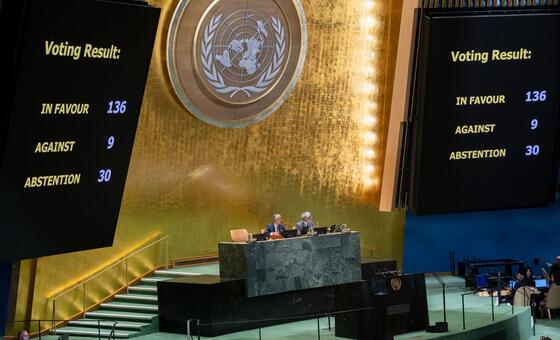
The United Nations General Assembly voted on Tuesday to hold a formal debate regarding the United States' economic sanctions against Cuba. The decision, which received overwhelming support from member states, marks a significant diplomatic step for Havana as it seeks international attention for the escalating domestic challenges linked to the trade restrictions.
Following a direct request from the Cuban government, the assembly convened to address the decades-long embargo. The debate aims to examine the current socio-economic conditions on the island, where officials and international observers have warned of increasing suffering among the civilian population.
The United States first imposed the embargo in the early 1960s, a policy that has remained a point of contention in international relations for over sixty years. While the sanctions are intended to exert political pressure on the Cuban government, Havana argues that the restrictions severely limit the country's access to essential goods, including food and medical supplies.
The United Nations General Assembly voted on Tuesday to hold a formal debate regarding the United States' economic sanctions against Cuba.
The General Assembly's move to prioritize this debate reflects a broad international consensus on the need to re-evaluate the impact of unilateral sanctions. According to UN News Economy, the session underscored the urgency of discussing the humanitarian situation as the island faces mounting economic instability.
During the meeting, several member states expressed concern that the persistence of the embargo complicates Cuba's ability to engage with the global economy. The upcoming discussions are expected to focus on the legal and humanitarian frameworks of the sanctions, though the United States has historically maintained that the policy is a necessary tool for its foreign policy objectives in the region.
Based on reporting by UN News Economy.
صوتت الجمعية العامة للأمم المتحدة يوم الثلاثاء لصالح إجراء مناقشة رسمية بشأن العقوبات الاقتصادية التي تفرضها الولايات المتحدة على كوبا. ويمثل هذا القرار، الذي حظي بتأييد ساحق من الدول الأعضاء، خطوة دبلوماسية هامة لهافانا في سعيها لجذب الانتباه الدولي إلى التحديات المحلية المتزايدة المرتبطة بالقيود التجارية.
وبناءً على طلب مباشر من الحكومة الكوبية، اجتمعت الجمعية لمعالجة الحظر المستمر منذ عقود. وتهدف المناقشة إلى فحص الظروف الاجتماعية والاقتصادية الحالية في الجزيرة، حيث حذر مسؤولون ومراقبون دوليون من تزايد المعاناة بين السكان المدنيين.
فرضت الولايات المتحدة الحظر لأول مرة في أوائل الستينيات، وهي سياسة ظلت نقطة خلاف في العلاقات الدولية لأكثر من ستين عاماً. وفي حين تهدف العقوبات إلى ممارسة ضغوط سياسية على الحكومة الكوبية، تجادل هافانا بأن القيود تحد بشكل خطير من وصول البلاد إلى السلع الأساسية، بما في ذلك الغذاء والإمدادات الطبية.
ويعكس تحرك الجمعية العامة لإعطاء الأولوية لهذه المناقشة إجماعاً دولياً واسعاً على ضرورة إعادة تقييم أثر العقوبات أحادية الجانب. ووفقاً لـ "أخبار الأمم المتحدة للاقتصاد"، أكدت الجلسة على ملحة مناقشة الوضع الإنساني في ظل ما تواجهه الجزيرة من عدم استقرار اقتصادي متزايد.
وخلال الاجتماع، أعربت عدة دول أعضاء عن قلقها من أن استمرار الحظر يعقد قدرة كوبا على التعامل مع الاقتصاد العالمي. ومن المتوقع أن تركز المباحثات القادمة على الأطر القانونية والإنسانية للعقوبات، رغم أن الولايات المتحدة أكدت تاريخياً أن هذه السياسة هي أداة ضرورية لأهداف سياستها الخارجية في المنطقة.