United Nations Peacekeepers Report Surge in Israeli Strikes Across South Lebanon
The United Nations peacekeeping mission in Lebanon has documented hundreds of projectiles and dozens of airspace violations by Israeli forces over a single weekend in August.
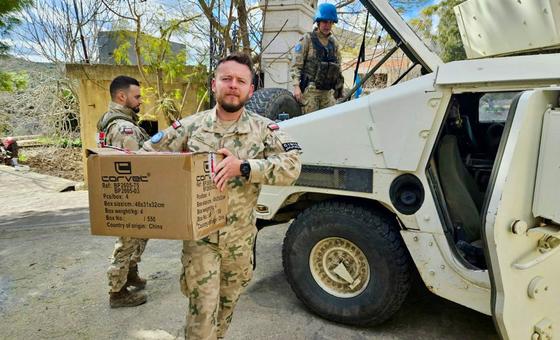
United Nations peacekeepers stationed in Lebanon have recorded a significant escalation in military activity, documenting over 450 projectiles fired by Israeli forces into the southern region of the country. The data, released by the UN peacekeeping mission on Monday, covers a three-day period from Friday to Sunday, marking one of the most intense periods of cross-border fire observed in recent months.
According to UN News, the mission tracked a total of 455 projectiles entering Lebanese territory during the weekend. This barrage highlights a sharp increase in hostilities along the border, an area that has remained a flashpoint for regional instability. The peacekeeping force, which monitors the Blue Line between Lebanon and Israel, reported that the strikes targeted various locations across the southern sector.
In addition to the ground-based fire, the UN mission recorded 97 separate breaches of Lebanese airspace by Israeli aircraft during the same timeframe. These incursions represent a sustained pattern of aerial surveillance and combat operations that have heightened concerns over the potential for a broader regional conflict. The frequency of these flights underscores the volatility of the current security environment in the Levant.
According to UN News, the mission tracked a total of 455 projectiles entering Lebanese territory during the weekend.
Monitoring the Blue Line
The UN peacekeeping mission, known as UNIFIL, has operated in southern Lebanon for decades with a mandate to confirm the withdrawal of Israeli forces and assist the Lebanese government in restoring its authority. In recent years, its role has focused heavily on monitoring the cessation of hostilities and preventing miscalculations that could lead to full-scale war.
The report issued on Monday does not detail specific casualties or structural damage resulting from the 455 projectiles, but it characterizes the weekend's events as among the heaviest fire seen in months. This surge in kinetic activity occurs amid a backdrop of ongoing diplomatic efforts to stabilize the border and reduce the risk of further escalation between the two nations.
Based on reporting by UN News.
سجلت قوات حفظ السلام التابعة للأمم المتحدة المتمركزة في لبنان تصعيداً كبيراً في النشاط العسكري، حيث وثقت إطلاق القوات الإسرائيلية لأكثر من 450 قذيفة على المنطقة الجنوبية من البلاد. وتغطي البيانات التي أصدرتها بعثة حفظ السلام الأممية يوم الاثنين فترة ثلاثة أيام من الجمعة إلى الأحد، مما يمثل واحدة من أكثر فترات القصف كثافة خلال الأشهر الأخيرة.
وبحسب أنباء الأمم المتحدة، تتبعت البعثة ما مجموعه 455 قذيفة دخلت الأراضي اللبنانية خلال عطلة نهاية الأسبوع. ويسلط هذا القصف الضوء على زيادة حادة في الأعمال العدائية على طول الحدود، وهي المنطقة التي ظلت نقطة اشتعال لعدم الاستقرار الإقليمي. وأفادت قوة حفظ السلام، التي تراقب الخط الأزرق بين لبنان وإسرائيل، أن الضربات استهدفت مواقع مختلفة في القطاع الجنوبي.
وبالإضافة إلى القصف البري، سجلت البعثة الأممية 97 خرقاً منفصلاً للمجال الجوي اللبناني من قبل الطائرات الإسرائيلية خلال الفترة نفسها. وتمثل هذه التوغلات نمطاً مستمراً من عمليات الاستطلاع الجوي والعمليات القتالية التي زادت من المخاوف بشأن احتمال نشوب صراع إقليمي أوسع. وتؤكد وتيرة هذه الرحلات الجوية تقلب البيئة الأمنية الحالية في بلاد الشام.
مراقبة الخط الأزرق
تعمل بعثة الأمم المتحدة لحفظ السلام، المعروفة باسم اليونيفيل، في جنوب لبنان منذ عقود بتفويض لتأكيد انسحاب القوات الإسرائيلية ومساعدة الحكومة اللبنانية في استعادة سلطتها. وفي السنوات الأخيرة، ركز دورها بشكل كبير على مراقبة وقف الأعمال العدائية ومنع الحسابات الخاطئة التي قد تؤدي إلى حرب شاملة.
ولا يفصل التقرير الصادر يوم الاثنين خسائر بشرية محددة أو أضراراً هيكلية ناتجة عن الـ 455 قذيفة، لكنه يصف أحداث عطلة نهاية الأسبوع بأنها من بين أعنف نيران شوهدت منذ أشهر. ويأتي هذا الارتفاع في النشاط القتالي وسط جهود دبلوماسية مستمرة لتحقيق الاستقرار على الحدود والحد من مخاطر المزيد من التصعيد بين الدولتين.