United Nations pledges full support for Colombia earthquake relief efforts
International agencies have committed to assisting national authorities in western Colombia as search and rescue operations continue following a significant seismic event in the region.
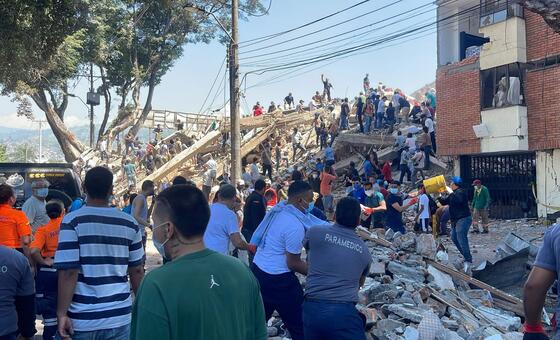
United Nations agencies have announced their readiness to deploy comprehensive resources to support Colombia's recovery following a recent earthquake. The commitment comes as national emergency services continue their search and rescue operations across affected areas in the western part of the country. This international response is intended to bolster the ongoing efforts led by Colombian national authorities to manage the immediate aftermath of the disaster.
According to UN News Economy, the international body has stated it is prepared to assist "with everything we've got." This pledge emphasizes a high level of mobilization intended to address the urgent needs of the population. The coordination between international agencies and the Colombian government is a central component of the strategy to ensure that aid reaches the most impacted zones efficiently.
Coordination of emergency operations
The rescue efforts remain focused on western Colombia, where the seismic activity has necessitated a large-scale deployment of personnel. National authorities are currently leading the frontline response, overseeing the specialized teams tasked with finding survivors and securing damaged infrastructure. The integration of UN support into this existing framework is designed to provide additional technical and material capacity to the local mission.
United Nations agencies have announced their readiness to deploy comprehensive resources to support Colombia's recovery following a recent earthquake.
While the specific scale of the damage is still being assessed, the focus remains on the critical period immediately following the event. The UN has indicated that all assistance will be strictly aligned with the priorities established by the Colombian government. This collaborative approach is standard for international disaster response, ensuring that external aid complements rather than complicates the logistics of the national emergency management system.
As the situation develops, the focus will likely shift from immediate rescue to humanitarian relief and recovery. The willingness of international partners to provide sustained support indicates a recognition of the potential challenges facing the region in the coming days. For now, the priority remains the safety of residents and the success of the ongoing search operations in the western departments.
Based on reporting by UN News Economy.
أعلنت وكالات الأمم المتحدة عن استعدادها لنشر موارد شاملة لدعم تعافي كولومبيا في أعقاب الزلزال الأخير. يأتي هذا الالتزام في الوقت الذي تواصل فيه خدمات الطوارئ الوطنية عمليات البحث والإنقاذ في المناطق المتضررة في الجزء الغربي من البلاد. وتستهدف هذه الاستجابة الدولية تعزيز الجهود المستمرة التي تقودها السلطات الوطنية الكولومبية لإدارة التداعيات الفورية للكارثة.
وفقاً لـ "يو إن نيوز إيكونومي" (UN News Economy)، صرحت المنظمة الدولية بأنها مستعدة للمساعدة "بكل ما لديها". ويؤكد هذا التعهد على مستوى عالٍ من التعبئة يهدف إلى تلبية الاحتياجات العاجلة للسكان. ويعد التنسيق بين الوكالات الدولية والحكومة الكولومبية مكوناً رئيسياً في استراتيجية ضمان وصول المساعدات إلى المناطق الأكثر تضرراً بكفاءة.
تنسيق عمليات الطوارئ
لا تزال جهود الإنقاذ تتركز في غرب كولومبيا، حيث استدعى النشاط الزلزالي نشراً واسع النطاق للأفراد. وتقود السلطات الوطنية حالياً الاستجابة في الخطوط الأمامية، وتشرف على الفرق المتخصصة المكلفة بالعثور على الناجين وتأمين البنية التحتية المتضررة. وقد صُمم دمج دعم الأمم المتحدة في هذا الإطار القائم لتوفير قدرات فنية ومادية إضافية للمهمة المحلية.
وبينما لا يزال الحجم المحدد للأضرار قيد التقييم، يظل التركيز منصباً على الفترة الحرجة التي تلي الحدث مباشرة. وقد أشارت الأمم المتحدة إلى أن جميع المساعدات ستتماشى بدقة مع الأولويات التي وضعتها الحكومة الكولومبية. ويعد هذا النهج التعاوني معياراً للاستجابة الدولية للكوارث، مما يضمن أن المساعدات الخارجية تكمل الخدمات اللوجستية لنظام إدارة الطوارئ الوطني ولا تعيقها.
ومع تطور الوضع، من المرجح أن يتحول التركيز من الإنقاذ الفوري إلى الإغاثة الإنسانية والتعافي. ويشير استعداد الشركاء الدوليين لتقديم دعم مستدام إلى الاعتراف بالتحديات المحتملة التي تواجه المنطقة في الأيام المقبلة. وفي الوقت الحالي، تظل الأولوية لسلامة السكان ونجاح عمليات البحث الجارية في المقاطعات الغربية.