United Nations Raises Alarm Over Shrinking Civil Liberties in Uganda
The UN Human Rights Office reports a growing climate of fear in Uganda as authorities impose increasing restrictions on opposition figures, journalists, and civil society organizations.
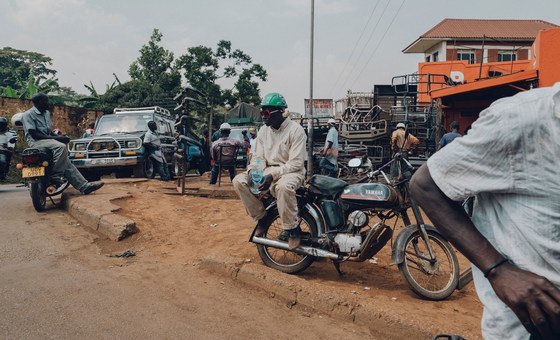
Uganda is facing an intensifying climate of fear as fundamental freedoms are systematically curtailed across the country, according to a report from the UN Human Rights Office (OHCHR). The international body warned that the environment for political and social expression is deteriorating, placing specific groups at a heightened risk of human rights violations.
According to the OHCHR, the targets of these increasing restrictions include supporters of political opposition parties, media professionals, and human rights defenders. The UN agency noted that civil society groups are also operating under significant pressure as the space for independent activism and reporting continues to narrow.
The findings highlight a trend of shrinking democratic space in the East African nation, where the government has previously faced international scrutiny regarding its treatment of dissent. The UN's assessment suggests that the current level of restriction has created a pervasive sense of insecurity among those who challenge the status quo or work in the public interest.
The situation in Uganda reflects a wider regional concern regarding the protection of civil liberties.
While the report identifies the groups most at risk, it also emphasizes that the broader population's fundamental freedoms are being affected by these measures. The OHCHR has expressed concern that without a shift in policy to protect these rights, the risks of abuse against journalists and activists will likely persist or worsen.
The situation in Uganda reflects a wider regional concern regarding the protection of civil liberties. By documenting these developments, the UN Human Rights Office aims to bring international attention to the specific threats faced by those working to uphold transparency and political pluralism within the country.
Based on reporting by UN News Africa.
تواجه أوغندا مناخاً متزايداً من الخوف مع تقليص الحريات الأساسية بشكل منهجي في جميع أنحاء البلاد، وفقاً لتقرير صادر عن مكتب الأمم المتحدة لحقوق الإنسان. وحذرت الهيئة الدولية من أن البيئة الخاصة بالتعبير السياسي والاجتماعي في تدهور، مما يضع مجموعات معينة في معرض خطر متزايد لانتهاكات حقوق الإنسان.
وبحسب مكتب حقوق الإنسان، فإن أهداف هذه القيود المتزايدة تشمل أنصار أحزاب المعارضة السياسية، والمتخصصين في وسائل الإعلام، والمدافعين عن حقوق الإنسان. وأشارت الوكالة الأممية إلى أن مجموعات المجتمع المدني تعمل أيضاً تحت ضغوط كبيرة مع استمرار ضيق المساحة المتاحة للنشاط المستقل وإعداد التقارير.
وتسلط هذه النتائج الضوء على اتجاه تقلص المساحة الديمقراطية في الدولة الواقعة في شرق إفريقيا، حيث واجهت الحكومة سابقاً تدقيقاً دولياً بشأن تعاملها مع المعارضة. ويشير تقييم الأمم المتحدة إلى أن المستوى الحالي من القيود قد خلق شعوراً ساداً بعدم الأمان بين أولئك الذين يتحدون الوضع الراهن أو يعملون من أجل المصلحة العامة.
وبينما يحدد التقرير المجموعات الأكثر عرضة للخطر، فإنه يؤكد أيضاً أن الحريات الأساسية لعامة السكان تتأثر بهذه الإجراءات. وقد أعرب مكتب حقوق الإنسان عن قلقه من أنه بدون تحول في السياسة لحماية هذه الحقوق، فإن مخاطر الإساءة ضد الصحفيين والنشطاء ستستمر على الأرجح أو تزداد سوءاً.
ويعكس الوضع في أوغندا قلقاً إقليمياً أوسع نطاقاً فيما يتعلق بحماية الحريات المدنية. ومن خلال توثيق هذه التطورات، يهدف مكتب الأمم المتحدة لحقوق الإنسان إلى جذب الانتباه الدولي إلى التهديدات المحددة التي يواجهها أولئك الذين يعملون لدعم الشفافية والتعددية السياسية داخل البلاد.