United Nations Reports Reduced Levels of Violence Along Lebanese Border
UN officials observe a decrease in cross-border fire following a weekend of intensified hostilities, though the security situation remains unstable for local populations.
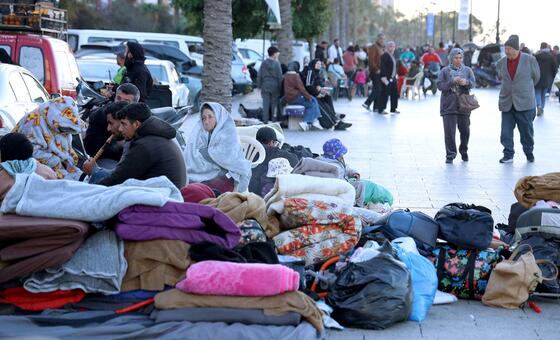
The United Nations has recorded a notable decrease in the intensity of military exchanges along the border in Lebanon. During a press briefing on Tuesday, UN Spokesperson Stéphane Dujarric confirmed that while peacekeepers stationed in the region continue to witness various acts of violence, the frequency and scale have dropped significantly since the high levels observed over the previous weekend.
This relative de-escalation follows several days of heightened tension that had raised concerns regarding regional stability. The UN Interim Force in Lebanon (UNIFIL) remains on the ground to monitor the situation, serving as a critical mechanism for observing violations of international agreements. The spokesperson's remarks underscore the volatile nature of the security environment, where periods of reduced fire do not necessarily indicate a permanent cessation of hostilities.
Regional Instability and Aid Challenges
The reduction in border violence comes at a time when the broader region is grappling with severe humanitarian and economic pressures. Beyond the immediate security concerns in Lebanon, the UN highlighted a worsening crisis in Gaza, where severe shortages of essential goods continue to impact the civilian population. These interlocking crises are being further complicated by global economic shifts that are redirecting resources away from humanitarian needs.
The United Nations has recorded a notable decrease in the intensity of military exchanges along the border in Lebanon.
According to UN News Economy, rising levels of international debt are now beginning to impact the availability of development funding. This financial strain limits the capacity of international organizations to respond effectively to the shortages in Gaza and the ongoing instability in Lebanon. The convergence of military tension and fiscal constraints presents a significant challenge for peacekeeping and aid missions across the Middle East.
Despite the current dip in violence, the United Nations maintains that the situation requires constant vigilance. The spokesperson emphasized that the mission continues to report on all exchanges of fire as they occur, ensuring that the international community is informed of the shifting dynamics on the ground. For now, the reduction in fire provides a fragile window of relative calm compared to the violence seen just days prior.
Based on reporting by UN News Economy.
سجلت الأمم المتحدة انخفاضاً ملحوظاً في حدة التبادل العسكري على طول الحدود في لبنان. وأكد المتحدث باسم الأمم المتحدة، ستيفان دوجاريك، خلال مؤتمر صحفي يوم الثلاثاء، أنه بينما يواصل حفظة السلام المتمركزون في المنطقة رصد أعمال عنف مختلفة، إلا أن وتيرتها وحجمها قد انخفضا بشكل كبير منذ المستويات المرتفعة التي شوهدت خلال عطلة نهاية الأسبوع الماضية.
يأتي هذا التهدئة النسبية بعد عدة أيام من التوتر المتزايد الذي أثار مخاوف بشأن الاستقرار الإقليمي. ولا تزال قوة الأمم المتحدة المؤقتة في لبنان (يونيفيل) متواجدة على الأرض لمراقبة الوضع، حيث تعمل كآلية حاسمة لرصد الانتهاكات للاتفاقيات الدولية. وتؤكد تصريحات المتحدث على الطبيعة المتقلبة للبيئة الأمنية، حيث لا تشير فترات تراجع إطلاق النار بالضرورة إلى وقف دائم للأعمال العدائية.
عدم الاستقرار الإقليمي وتحديات المساعدات
يأتي التراجع في أعمال العنف الحدودية في وقت تعاني فيه المنطقة بشكل أوسع من ضغوط إنسانية واقتصادية شديدة. وإلى جانب المخاوف الأمنية المباشرة في لبنان، سلطت الأمم المتحدة الضوء على أزمة متفاقمة في غزة، حيث يستمر النقص الحاد في السلع الأساسية في التأثير على السكان المدنيين. وتزداد هذه الأزمات المتداخلة تعقيداً بسبب التحولات الاقتصادية العالمية التي تعيد توجيه الموارد بعيداً عن الاحتياجات الإنسانية.
وفقاً لـ "أخبار الأمم المتحدة الاقتصادية"، بدأت مستويات الديون الدولية المتزايدة الآن في التأثير على توفر تمويل التنمية. ويحد هذا الضغط المالي من قدرة المنظمات الدولية على الاستجابة بفعالية للنقص في غزة وعدم الاستقرار المستمر في لبنان. ويمثل تقارب التوتر العسكري والقيود المالية تحدياً كبيراً لبعثات حفظ السلام والإغاثة في جميع أنحاء الشرق الأوسط.
وعلى الرغم من الانخفاض الحالي في أعمال العنف، تؤكد الأمم المتحدة أن الوضع يتطلب يقظة مستمرة. وشدد المتحدث على أن البعثة تواصل الإبلاغ عن جميع عمليات تبادل إطلاق النار فور وقوعها، مما يضمن اطلاع المجتمع الدولي على الديناميكيات المتغيرة على الأرض. وفي الوقت الحالي، يوفر التراجع في إطلاق النار نافذة هشة من الهدوء النسبي مقارنة بالعنف الذي شهدته المنطقة قبل أيام فقط.