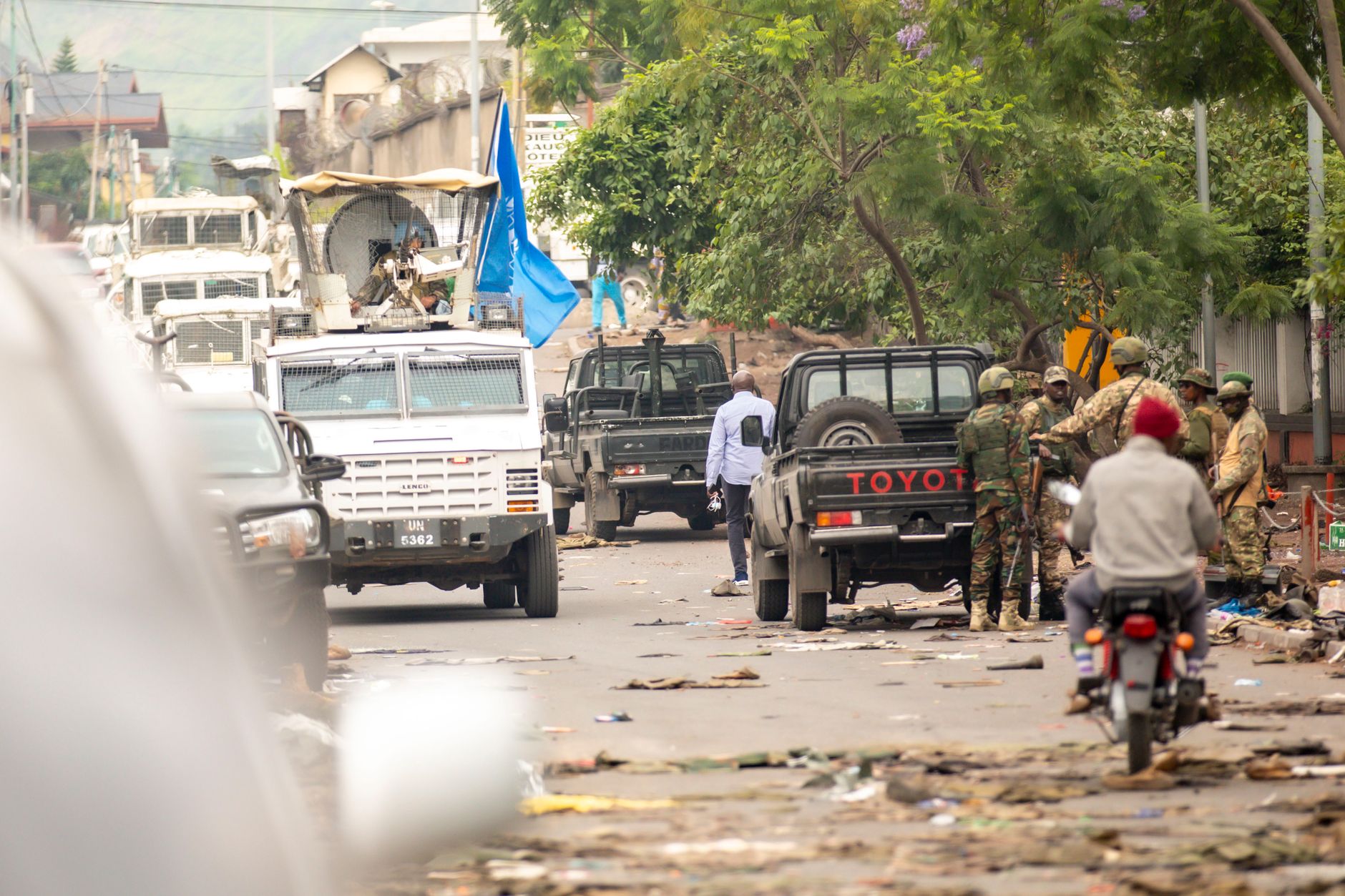
United Nations supports developing nations in managing critical mineral wealth
The international body has launched initiatives to assist countries in navigating the rising global demand for essential materials required for the worldwide transition toward clean energy.
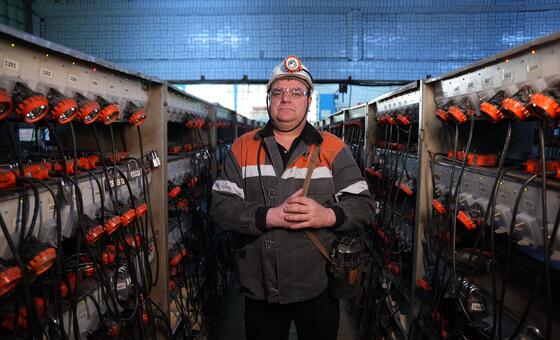
United Nations agencies are increasing their efforts to help developing nations manage the exploitation of critical minerals essential for the global shift toward renewable energy. As international markets focus on decarbonization, the demand for materials such as lithium, nickel, cobalt, and copper has reached unprecedented levels, presenting both economic opportunities and logistical challenges for resource-rich countries.
According to UN News Economy, the organization is positioning itself as a technical and policy partner to ensure that the extraction of these minerals translates into sustainable development. The initiative aims to provide a framework where countries can maximize the value of their natural resources while navigating the complexities of the global supply chain.
Driving the Energy Transition
The surge in interest is largely driven by the technological requirements of green energy infrastructure. Lithium and nickel are fundamental components in the manufacturing of high-capacity batteries, while copper remains indispensable for electrical grids and cobalt is used extensively in various clean technology applications. As the world moves away from fossil fuels, these minerals have become the new backbone of the industrial economy.
The surge in interest is largely driven by the technological requirements of green energy infrastructure.
UN News Economy reports that the UN is focusing on helping countries avoid the historical pitfalls of resource extraction. By offering guidance on mineral governance, the organization intends to help states secure more equitable shares of the wealth generated by their mining sectors. This involves supporting legislative frameworks and environmental standards that align with international expectations.
Economic Implications for Developing States
For many nations, particularly across Africa and other resource-dense regions, the boom in critical minerals offers a path toward economic diversification. However, the volatility of global commodity markets requires robust domestic policies to ensure long-term stability. The UN's involvement includes providing expertise on how to manage these market fluctuations and integrate local industries into the global value chain.
The strategy emphasizes that the transition to clean energy must be inclusive. By strengthening the capacity of national governments to negotiate with multinational firms, the UN seeks to ensure that the benefits of the mineral trade are felt by the populations of the source countries, rather than solely by external investors.
Based on reporting by UN News Economy.
تكثف وكالات الأمم المتحدة جهودها لمساعدة الدول النامية في إدارة استخراج المعادن الحيوية الضرورية للتحول العالمي نحو الطاقة المتجددة. مع تركيز الأسواق الدولية على خفض انبعاثات الكربون، وصل الطلب على مواد مثل الليثيوم والنيكل والكوبالت والنحاس إلى مستويات غير مسبوقة، مما يفرض فرصاً اقتصادية وتحديات لوجستية للدول الغنية بالموارد.
وفقاً لـ "أخبار الأمم المتحدة الاقتصادية"، تعمل المنظمة على ترسيخ مكانتها كشريك تقني وسياسي لضمان ترجمة استخراج هذه المعادن إلى تنمية مستدامة. تهدف المبادرة إلى توفير إطار عمل يمكن الدول من تعظيم قيمة مواردها الطبيعية مع التعامل مع تعقيدات سلاسل التوريد العالمية.
دفع عجلة التحول الطاقي
يعود الارتفاع الكبير في الاهتمام بهذه المعادن بشكل أساسي إلى المتطلبات التقنية للبنية التحتية للطاقة الخضراء. يعد الليثيوم والنيكل مكونات أساسية في تصنيع البطاريات عالية السعة، بينما يظل النحاس لا غنى عنه للشبكات الكهربائية، ويستخدم الكوبالت على نطاق واسع في تطبيقات التكنولوجيا النظيفة المختلفة. ومع تحول العالم بعيداً عن الوقود الأحفوري، أصبحت هذه المعادن الركيزة الجديدة للاقتصاد الصناعي.
وتفيد تقارير "أخبار الأمم المتحدة الاقتصادية" بأن المنظمة تركز على مساعدة الدول لتجنب العثرات التاريخية المرتبطة باستخراج الموارد. ومن خلال تقديم إرشادات حول حوكمة المعادن، تعتزم المنظمة مساعدة الدول في تأمين حصص أكثر عدلاً من الثروات الناتجة عن قطاعات التعدين لديها. ويشمل ذلك دعم الأطر التشريعية والمعايير البيئية التي تتماشى مع التوقعات الدولية.
التداعيات الاقتصادية للدول النامية
بالنسبة للعديد من الدول، لا سيما في أفريقيا والمناطق الأخرى ذات الموارد الكثيفة، يوفر الازدهار في قطاع المعادن الحيوية مساراً نحو التنويع الاقتصادي. ومع ذلك، فإن تقلبات أسواق السلع العالمية تتطلب سياسات محلية قوية لضمان الاستقرار على المدى الطويل. ويتضمن تدخل الأمم المتحدة تقديم الخبرة حول كيفية إدارة تقلبات السوق ودمج الصناعات المحلية في سلسلة القيمة العالمية.
وتؤكد الاستراتيجية على ضرورة أن يكون التحول إلى الطاقة النظيفة شاملاً. ومن خلال تعزيز قدرة الحكومات الوطنية على التفاوض مع الشركات متعددة الجنسيات، تسعى الأمم المتحدة إلى ضمان وصول فوائد تجارة المعادن إلى سكان الدول المصدرة، بدلاً من أن تقتصر على المستثمرين الخارجيين فقط.