United Nations warns of deepening humanitarian crisis and displacement in Sudan
The United Nations Office for the Coordination of Humanitarian Affairs has issued a new warning regarding the escalating protection needs and lack of funding for civilians in Sudan.
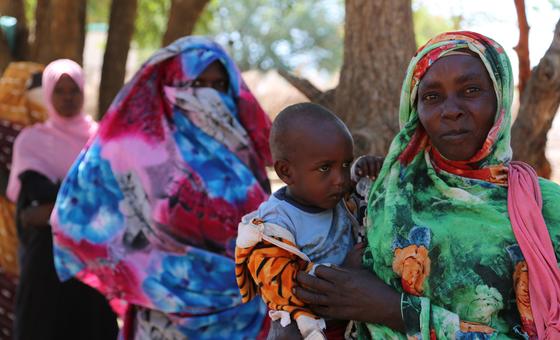
Ongoing conflict and mass displacement are exacerbating the humanitarian crisis across Sudan, according to a report released on Monday by the UN Office for the Coordination of Humanitarian Affairs (OCHA). The agency stated that the security situation continues to drive people from their homes while severely limiting access to essential services for those remaining in conflict zones.
International aid efforts are currently facing significant hurdles as funding shortages prevent a comprehensive response to the growing needs. OCHA highlighted that the gap between the resources available and the scale of the emergency is widening, leaving millions of displaced people vulnerable to further hardship and insecurity.
Protection of Civilians
A primary concern raised by the UN agency is the lack of adequate protection for the civilian population. As fighting intensifies, non-combatants are increasingly caught in the crossfire or targeted, necessitating stronger international advocacy for their safety. The report underscored that the protection of civilians remains a critical priority that is currently being undermined by the persistence of the conflict.
International aid efforts are currently facing significant hurdles as funding shortages prevent a comprehensive response to the growing needs.
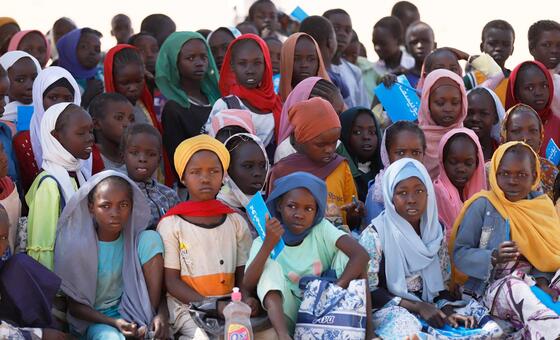
Since the outbreak of hostilities, Sudan has seen one of the world's largest internal displacement crises. Families who have fled their homes often find themselves in overcrowded camps or temporary shelters where resources are scarce. The UN warned that without a significant increase in financial support and a cessation of hostilities, the humanitarian situation will likely deteriorate further in the coming months.
Funding and Access
Operational challenges for humanitarian workers remain high. Beyond the immediate threat of violence, the lack of sufficient funding has restricted the delivery of food, medicine, and clean water. OCHA noted that the international community must prioritize the Sudanese crisis to prevent a total collapse of the country's social and economic infrastructure, which is already under immense strain from years of instability.
Based on reporting by UN News Africa.
أفاد تقرير صادر عن مكتب الأمم المتحدة لتنسيق الشؤون الإنسانية (أوتشا) يوم الاثنين بأن الصراع المستمر والنزوح الجماعي يؤديان إلى تفاقم الأزمة الإنسانية في جميع أنحاء السودان. وذكرت الوكالة أن الوضع الأمني لا يزال يدفع الناس للفرار من منازلهم مع الحد بشكل كبير من الوصول إلى الخدمات الأساسية لأولئك الباقين في مناطق النزاع.
تواجه جهود الإغاثة الدولية حالياً عقبات كبيرة حيث يمنع نقص التمويل الاستجابة الشاملة للاحتياجات المتزايدة. وأكد مكتب تنسيق الشؤون الإنسانية أن الفجوة بين الموارد المتاحة وحجم الطوارئ تتسع، مما يترك الملايين من النازحين عرضة لمزيد من المشقة وعدم الاستقرار.
حماية المدنيين
تتمثل إحدى الشواغل الرئيسية التي أثارتها الوكالة الأممية في الافتقار إلى الحماية الكافية للسكان المدنيين. ومع اشتداد القتال، يجد غير المقاتلين أنفسهم بشكل متزايد في مرمى النيران أو مستهدفين، مما يستلزم دعوة دولية أقوى لضمان سلامتهم. وشدد التقرير على أن حماية المدنيين تظل أولوية قصوى يتم تقويضها حالياً بسبب استمرار الصراع.
منذ اندلاع الأعمال العدائية، شهد السودان واحدة من أكبر أزمات النزوح الداخلي في العالم. وغالباً ما تجد الأسر التي فرت من منازلها نفسها في مخيمات مكتظة أو ملاجئ مؤقتة حيث تندر الموارد. وحذرت الأمم المتحدة من أنه بدون زيادة كبيرة في الدعم المالي ووقف الأعمال العدائية، فمن المرجح أن يتدهور الوضع الإنساني أكثر في الأشهر المقبلة.
التمويل والوصول
لا تزال التحديات التشغيلية للعاملين في المجال الإنساني مرتفعة. فبالإضافة إلى التهديد المباشر بالعنف، أدى نقص التمويل الكافي إلى تقييد توزيع الغذاء والدواء والمياه النظيفة. وأشار مكتب تنسيق الشؤون الإنسانية إلى ضرورة قيام المجتمع الدولي بإعطاء الأولوية للأزمة السودانية لمنع الانهيار التام للبنية التحتية الاجتماعية والاقتصادية للبلاد، والتي تعاني بالفعل من ضغوط هائلة بسبب سنوات من عدم الاستقرار.