Zimbabwean Mourners Gather for Victims of Fatal Lake Kariba Ferry Accident
Communities in Zimbabwe held a memorial ceremony on Thursday to honor forty-four people who died after a vessel capsized on the world's largest artificial lake.

Communities in Zimbabwe gathered on Thursday for a memorial service dedicated to the 44 victims of a ferry accident on Lake Kariba. The ceremony followed Tuesday's maritime disaster, which has left the Southern African nation mourning a significant loss of life on its northern waters.
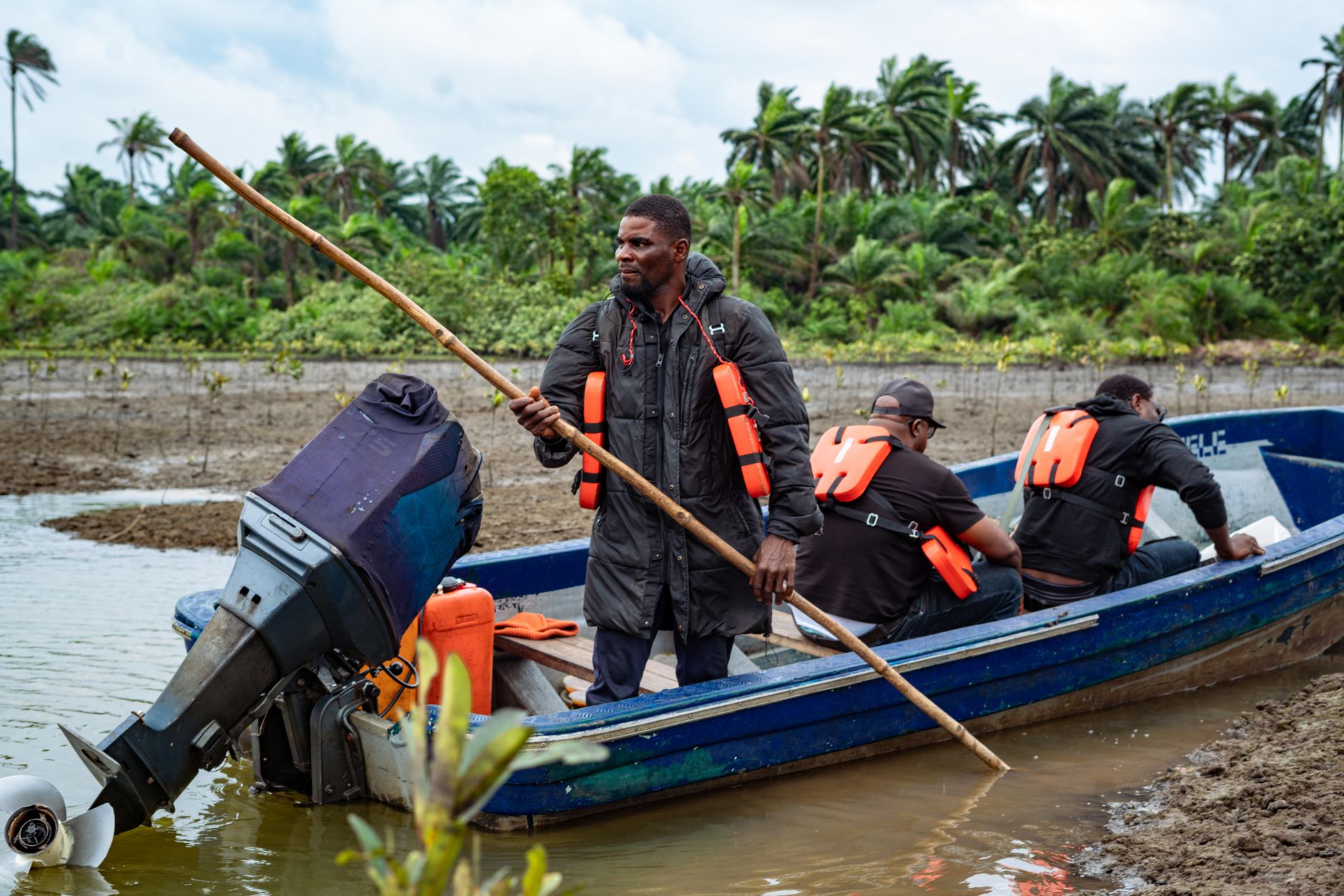
Lake Kariba, which sits on the border between Zimbabwe and Zambia, is the world's largest man-made reservoir by volume and serves as a vital transport and fishing hub. Despite its importance for regional logistics, maritime safety remains a critical concern for those navigating the vast inland sea.
Regional Election Updates
Beyond the mourning in Zimbabwe, political developments are unfolding in neighboring Zambia. Officials have commenced the counting of ballots following a national election. Early expectations suggest that the incumbent, President Hakainde Hichilema, is positioned to secure a second term in office.
Communities in Zimbabwe gathered on Thursday for a memorial service dedicated to the 44 victims of a ferry accident on Lake Kariba.
Hichilema, who was first elected in 2021, has overseen a period of significant economic reform. The outcome of the tallying process will determine the political trajectory of one of Africa's most stable democracies for the next five years.
Demographic Shifts in North Africa
In a separate development, researchers have identified a notable decline in birthrates across North African nations. This demographic shift is reportedly driven by a combination of rising living costs and evolving societal expectations.
According to findings reported by France24 Africa, the economic pressures facing households in the region are influencing family planning decisions. As the cost of essential goods increases, many families are opting for fewer children, reflecting a broader trend of changing social norms across the northern part of the continent.
Based on reporting by France24 Africa.
اجتمعت المجتمعات المحلية في زيمبابوي يوم الخميس في مراسم تأبين مخصصة لـ 44 ضحية قضوا في حادث عبارة ببحيرة كاريبا. وتأتي هذه المراسم في أعقاب الكارثة البحرية التي وقعت يوم الثلاثاء، والتي تركت الدولة الواقعة في جنوب القارة الأفريقية في حالة حداد على خسارة كبيرة في الأرواح في مياهها الشمالية.
تعد بحيرة كاريبا، الواقعة على الحدود بين زيمبابوي وزامبيا، أكبر خزان اصطناعي في العالم من حيث الحجم، وتعمل كمركز حيوي للنقل والصيد. وعلى الرغم من أهميتها اللوجستية الإقليمية، تظل السلامة البحرية مصدر قلق بالغ لأولئك الذين يبحرون في هذا البحر الداخلي الشاسع.
تحديثات الانتخابات الإقليمية
وبعيداً عن حالة الحداد في زيمبابوي، تشهد زامبيا المجاورة تطورات سياسية متلاحقة، حيث بدأ المسؤولون في فرز أصوات الناخبين عقب الانتخابات الوطنية. وتشير التوقعات الأولية إلى أن الرئيس الحالي، هاكيندي هيشيليما، في وضع يسمح له بالفوز بفترة ولاية ثانية.
أشرف هيشيليما، الذي انتخب لأول مرة في عام 2021، على فترة من الإصلاح الاقتصادي الكبير. وستحدد نتيجة عملية الفرز المسار السياسي لواحدة من أكثر الديمقراطيات استقراراً في أفريقيا للسنوات الخمس المقبلة.
التحولات الديموغرافية في شمال أفريقيا
وفي تطور منفصل، حدد باحثون انخفاضاً ملحوظاً في معدلات المواليد عبر دول شمال أفريقيا. ويُعزى هذا التحول الديموغرافي إلى مزيج من ارتفاع تكاليف المعيشة وتغير التوقعات المجتمعية.
ووفقاً للنتائج التي أوردتها قناة فرانس 24 أفريقيا، فإن الضغوط الاقتصادية التي تواجهها الأسر في المنطقة تؤثر على قرارات تنظيم الأسرة. ومع ارتفاع أسعار السلع الأساسية، تختار العديد من الأسر إنجاب عدد أقل من الأطفال، مما يعكس اتجاهاً أوسع لتغير المعايير الاجتماعية في الجزء الشمالي من القارة.