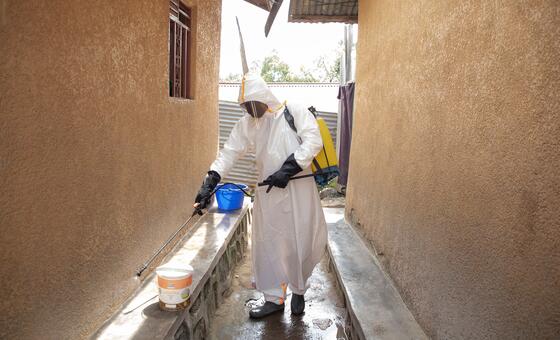
Democratic Republic of Congo Ebola Outbreak Surpasses Four Thousand Cases
The current Ebola virus outbreak in the Democratic Republic of Congo has reached a grim milestone as the total number of documented infections continues to climb rapidly.

Health authorities in the Democratic Republic of Congo have recorded more than 4,000 cases of Ebola in what has become a fast-growing outbreak. The milestone, reported by France24 Africa, highlights the persistent challenge of containing the virus in the central African nation, which has faced multiple recurrences of the disease over several decades.
Ebola is a severe viral hemorrhagic fever that is transmitted to people from wild animals and spreads through human-to-human contact. The Democratic Republic of Congo is currently dealing with a high rate of transmission, leading to this significant increase in the total case count. The scale of the current situation underscores the difficulties faced by medical teams and public health officials working in the region.
Regional Infrastructure Challenges
While the health crisis continues in the Congo Basin, neighboring regions and other Central African nations are facing their own logistical emergencies. In Gabon, residents of the capital city, Libreville, are experiencing severe water shortages. According to France24 Africa, the lack of water in city taps is the result of a combination of low seasonal rainfall and failing infrastructure, specifically deteriorating pipe networks.
Health authorities in the Democratic Republic of Congo have recorded more than 4,000 cases of Ebola in what has become a fast-growing outbreak.
Libreville’s water crisis impacts daily life and sanitation for the capital's population, as the aging utility systems struggle to meet demand during the dry period. The situation in Gabon reflects broader regional issues concerning infrastructure maintenance and climate variability.
Environmental Shifts in Kenya
Further east, environmental changes are creating new security risks for communities in Kenya. At Lake Baringo, water levels have risen significantly, forcing local residents into closer proximity with wildlife. This shift has resulted in a reported increase in crocodile attacks on humans.
The rising waters have submerged previous shorelines, narrowing the gap between human settlements and the natural habitats of predators. These incidents highlight the direct impact that fluctuating water bodies and environmental shifts have on the safety of rural populations situated near Kenya's Rift Valley lakes.
Based on reporting by France24 Africa.
سجلت السلطات الصحية في جمهورية الكونغو الديمقراطية أكثر من 4000 حالة إصابة بفيروس إيبولا فيما أصبح تفشياً سريع النمو. وتسلط هذه المحطة، التي أوردتها قناة فرانس 24 أفريقيا، الضوء على التحدي المستمر المتمثل في احتواء الفيروس في الدولة الواقعة في وسط أفريقيا، والتي واجهت تكرارات متعددة للمرض على مدى عدة عقود.
إيبولا هي حمى نزفية فيروسية حادة تنتقل إلى البشر من الحيوانات البرية وتنتشر من خلال الاتصال المباشر بين البشر. وتتعامل جمهورية الكونغو الديمقراطية حالياً مع معدل انتقال مرتفع، مما أدى إلى هذه الزيادة الكبيرة في إجمالي عدد الحالات. ويؤكد حجم الوضع الحالي الصعوبات التي تواجه الفرق الطبية ومسؤولي الصحة العامة العاملين في المنطقة.
تحديات البنية التحتية الإقليمية
بينما تستمر الأزمة الصحية في حوض الكونغو، تواجه المناطق المجاورة ودول وسط أفريقيا الأخرى حالات طوارئ لوجستية خاصة بها. ففي الغابون، يعاني سكان العاصمة ليبرفيل من نقص حاد في المياه. ووفقاً لقناة فرانس 24 أفريقيا، فإن نقص المياه في صنابير المدينة هو نتيجة لمزيج من انخفاض هطول الأمطار الموسمية وفشل البنية التحتية، وتحديداً تدهور شبكات الأنابيب.
تؤثر أزمة المياه في ليبرفيل على الحياة اليومية والصرف الصحي لسكان العاصمة، حيث تكافح أنظمة المرافق المتقادمة لتلبية الطلب خلال فترة الجفاف. ويعكس الوضع في الغابون قضايا إقليمية أوسع تتعلق بصيانة البنية التحتية وتقلب المناخ.
التحولات البيئية في كينيا
وإلى الشرق، تخلق التغيرات البيئية مخاطر أمنية جديدة للمجتمعات في كينيا. ففي بحيرة بارينغو، ارتفعت مستويات المياه بشكل كبير، مما أجبر السكان المحليين على الاقتراب من الحياة البرية. وقد أدى هذا التحول إلى زيادة مبلّغ عنها في هجمات التماسيح على البشر.
لقد غمرت المياه المرتفعة الخطوط الساحلية السابقة، مما أدى إلى تضييق الفجوة بين المستوطنات البشرية والموائل الطبيعية للحيوانات المفترسة. وتسلط هذه الحوادث الضوء على التأثير المباشر لتقلب مستويات المسطحات المائية والتحولات البيئية على سلامة السكان الريفيين الواقعين بالقرب من بحيرات الوادي المتصدع في كينيا.