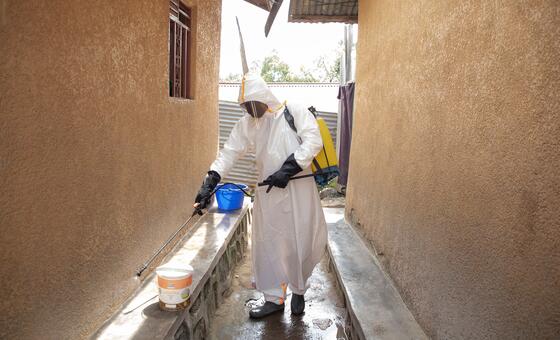
Democratic Republic of the Congo improves Ebola contact tracing as cases rise
Health officials in the Democratic Republic of the Congo have increased their capacity to track individuals exposed to Ebola, yet the virus continues to spread rapidly in the east.
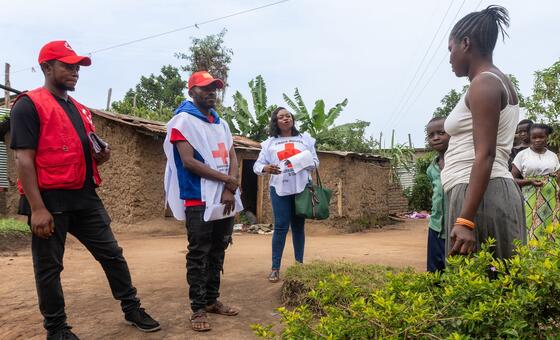
Health authorities in the Democratic Republic of the Congo (DRC) have achieved significant progress in tracking individuals exposed to the Ebola virus. However, the World Health Organization (WHO) has warned that the outbreak in the country's eastern region is still expanding faster than the response teams' ability to isolate the sick. This ongoing challenge highlights the difficulty of managing a public health emergency in a region marked by long-standing instability and conflict.
According to reports from the WHO, the percentage of people exposed to the virus who are being successfully monitored has increased. This improvement in contact tracing is a critical component of the containment strategy, as identifying those at risk early can prevent further transmission. Despite these technical gains in surveillance, the epidemic remains a significant threat as it outpaces the current containment efforts.
Challenges in the Eastern Region
The eastern part of the DRC, where the virus is most active, is described by UN News as a restive area. This environment complicates the work of health professionals who must navigate both the biological threat of the virus and the logistical hurdles presented by local security conditions. The inability to find and isolate every infected individual in a timely manner allows the virus to maintain its momentum across communities.
Health authorities in the Democratic Republic of the Congo (DRC) have achieved significant progress in tracking individuals exposed to the Ebola virus.
The WHO’s assessment suggests that while the response infrastructure is becoming more efficient, the virus is effectively winning the race against intervention. For the outbreak to be brought under control, health authorities must bridge the gap between tracing efforts and the speed of new infections. The situation remains a priority for international health monitors as they support the DRC's Ministry of Health in managing the crisis.
Based on reporting by UN News.
حققت السلطات الصحية في جمهورية الكونغو الديمقراطية تقدماً ملحوظاً في تتبع الأفراد الذين تعرضوا لفيروس إيبولا. ومع ذلك، حذرت منظمة الصحة العالمية من أن الوباء في المنطقة الشرقية المضطربة من البلاد لا يزال يتوسع بسرعة تفوق قدرة فرق الاستجابة على عزل المرضى. وتسلط هذه التحديات المستمرة الضوء على صعوبة إدارة حالة طوارئ صحية عامة في منطقة تتسم بعدم الاستقرار والصراعات طويلة الأمد.
وفقاً لتقارير منظمة الصحة العالمية، ارتفعت نسبة الأشخاص المعرضين للفيروس الذين يتم مراقبتهم بنجاح. ويعد هذا التحسن في تتبع المخالطين مكوناً حاسماً في استراتيجية الاحتواء، حيث أن تحديد المعرضين للخطر في وقت مبكر يمكن أن يمنع المزيد من انتقال العدوى. ورغم هذه المكاسب التقنية في مجال المراقبة، لا يزال الوباء يمثل تهديداً كبيراً لأنه يتجاوز جهود الاحتواء الحالية.
تحديات المنطقة الشرقية
تصف "أخبار الأمم المتحدة" الجزء الشرقي من جمهورية الكونغو الديمقراطية، حيث ينشط الفيروس بشكل أكبر، بأنه منطقة مضطربة. وتعقد هذه البيئة عمل المهنيين الصحيين الذين يتعين عليهم التعامل مع التهديد البيولوجي للفيروس والعقبات اللوجستية الناجمة عن الظروف الأمنية المحلية. إن عدم القدرة على العثور على كل فرد مصاب وعزله في الوقت المناسب يسمح للفيروس بالحفاظ على زخم انتشاره عبر المجتمعات.
ويشير تقييم منظمة الصحة العالمية إلى أنه في حين أصبحت بنية الاستجابة التحتية أكثر كفاءة، فإن الفيروس يفوز فعلياً في السباق ضد التدخلات الصحية. ومن أجل السيطرة على المتفشي، يجب على السلطات الصحية سد الفجوة بين جهود التتبع وسرعة الإصابات الجديدة. ولا يزال الوضع يمثل أولوية لمراقبي الصحة الدوليين وهم يدعمون وزارة الصحة في جمهورية الكونغو الديمقراطية في إدارة الأزمة.