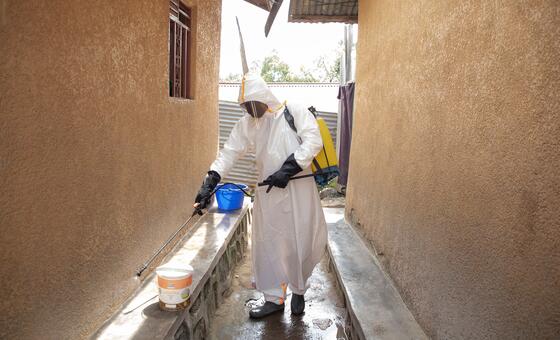
Democratic Republic of the Congo Opens New Ebola Treatment Centres
New facilities backed by the United Nations have launched in eastern Congo as health authorities attempt to contain the largest recorded Ebola outbreak in the country's history.
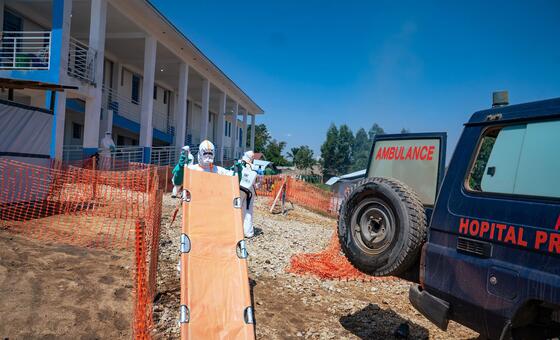
Health authorities in the Democratic Republic of the Congo (DRC) have opened new treatment facilities in the country's eastern region following a sharp rise in confirmed Ebola cases. The expansion of medical infrastructure, supported by United Nations partners, comes as the nation faces its most severe outbreak of the viral disease to date.
The new centres are strategically located at the epicentre of the current health crisis. Over the past weekend, data indicated a significant increase in laboratory-confirmed infections, prompting an urgent scale-up of the response. The eastern provinces of the DRC are currently navigating the complexities of managing a highly contagious pathogen within a region that has historically faced significant logistical and security challenges.
Record Outbreak Challenges
This current surge has officially become the largest Ebola outbreak recorded in the history of the DRC. According to UN News Africa, the speed at which new cases are appearing has necessitated a shift in the scale of the medical intervention. The newly established centres are designed to provide specialized care for patients while isolating the virus to prevent further community transmission.
The new centres are strategically located at the epicentre of the current health crisis.
The Ebola virus causes a severe haemorrhagic fever and is transmitted through contact with the bodily fluids of infected persons. Because of its high fatality rate and ease of spread in crowded or underserved areas, the establishment of dedicated treatment zones is considered a primary pillar of the containment strategy.
International partners working alongside the Congolese government have emphasized that the opening of these facilities is a critical step in managing the record-breaking figures. The focus remains on identifying cases early and providing the necessary clinical support to reduce mortality rates in the affected eastern districts.
Based on reporting by UN News Africa.
افتتحت السلطات الصحية في جمهورية الكونغو الديمقراطية مرافق علاجية جديدة في المنطقة الشرقية من البلاد في أعقاب ارتفاع حاد في حالات الإصابة المؤكدة بفيروس إيبولا. ويأتي توسيع البنية التحتية الطبية، بدعم من شركاء الأمم المتحدة، في وقت تواجه فيه البلاد أشد تفشٍ للمرض الفيروسي في تاريخها.
وتقع المراكز الجديدة في موقع استراتيجي في قلب الأزمة الصحية الحالية. وخلال عطلة نهاية الأسبوع الماضية، أشارت البيانات إلى زيادة كبيرة في الإصابات المؤكدة مختبرياً، مما استدعى رفع مستوى الاستجابة بشكل عاجل. وتتعامل الأقاليم الشرقية في جمهورية الكونغو الديمقراطية حالياً مع تعقيدات إدارة مسببات الأمراض شديدة العدوى داخل منطقة واجهت تاريخياً تحديات لوجستية وأمنية كبيرة.
تحديات تفشي قياسي
أصبح هذا التفشي الحالي رسمياً أكبر تفشٍ للإيبولا يتم تسجيله في تاريخ جمهورية الكونغو الديمقراطية. ووفقاً لأنباء الأمم المتحدة في أفريقيا، فإن السرعة التي تظهر بها الحالات الجديدة استوجبت تحولاً في نطاق التدخل الطبي. وقد تم تصميم المراكز المنشأة حديثاً لتوفير رعاية متخصصة للمرضى مع عزل الفيروس لمنع المزيد من الانتقال المجتمعي.
يسبب فيروس إيبولا حمى نزفية شديدة وينتقل من خلال الاتصال بالسوائل الجسدية للأشخاص المصابين. ونظراً لارتفاع معدل الوفيات وسهولة انتشاره في المناطق المزدحمة أو المحرومة، فإن إنشاء مناطق علاج مخصصة يعتبر ركيزة أساسية في استراتيجية الاحتواء.
وأكد الشركاء الدوليون الذين يعملون إلى جانب الحكومة الكونغولية أن افتتاح هذه المرافق خطوة حاسمة في إدارة الأرقام القياسية المسجلة. ولا يزال التركيز منصباً على تحديد الحالات في وقت مبكر وتقديم الدعم السريري اللازم لتقليل معدلات الوفيات في المناطق الشرقية المتضررة.