Ebola mortality in Democratic Republic of the Congo rises as patients avoid clinics
The World Health Organization is shifting its response strategy as more than 1,900 people have died in an outbreak where the majority of fatalities occur outside medical facilities.
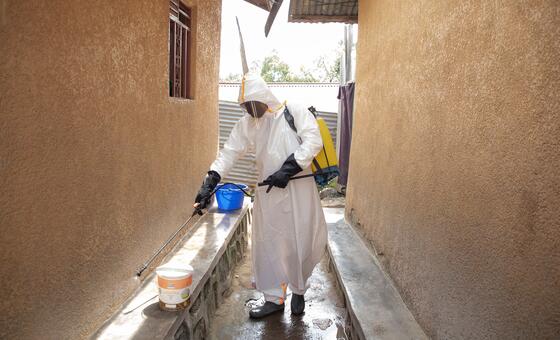
More than 1,900 people have died during the current Ebola outbreak in the Democratic Republic of the Congo, according to data from UN News Africa. A critical challenge for health officials is that the majority of these fatalities are occurring within local communities rather than inside established treatment centers.
Data indicates that between 60 and 70 per cent of all deaths are happening in residential areas far from professional medical care. This trend suggests that many individuals suffering from the virus are either unable to reach clinics or are succumbing to the illness before they can be admitted for treatment.
Shifting response strategies
The World Health Organization (WHO) has identified this gap in care as a central focus for its ongoing response. Because so many people are dying at home or in their villages, the risk of further transmission remains high. Ebola is highly contagious and often spreads through direct contact with the bodily fluids of infected individuals, including during traditional funeral rites.
More than 1,900 people have died during the current Ebola outbreak in the Democratic Republic of the Congo, according to data from UN News Africa.
Health workers are now attempting to address the factors that prevent patients from seeking formal medical help. The fact that most victims never reach a doctor complicates efforts to track the spread of the virus and provide early interventions that could increase survival rates.
Regional challenges
The Democratic Republic of the Congo has faced multiple Ebola outbreaks in its history, but the current situation is hampered by the distance between remote communities and specialized centers. When deaths occur outside of a clinical setting, it becomes more difficult for health teams to conduct safe burials and decontaminate affected areas, which are essential steps in breaking the chain of infection. The WHO continues to adapt its operations to reach these underserved areas more effectively.
Based on reporting by UN News Africa.
لقي أكثر من 1900 شخص حتفهم خلال تفشي فيروس الإيبولا الحالي في جمهورية الكونغو الديمقراطية، وفقاً لبيانات صادرة عن أخبار الأمم المتحدة في أفريقيا. ويتمثل التحدي الحاسم لمسؤولي الصحة في أن غالبية هذه الوفيات تحدث داخل المجتمعات المحلية بدلاً من مراكز العلاج المعتمدة.
وتشير البيانات إلى أن ما بين 60 و70 في المائة من جميع الوفيات تحدث في المناطق السكنية البعيدة عن الرعاية الطبية المتخصصة. ويشير هذا الاتجاه إلى أن العديد من الأفراد الذين يعانون من الفيروس إما غير قادرين على الوصول إلى العيادات أو أنهم يقضون نحبهم بسبب المرض قبل أن يتمكنوا من دخول المستشفى لتلقي العلاج.
تحول في استراتيجيات الاستجابة
حددت منظمة الصحة العالمية هذه الفجوة في الرعاية كتركيز أساسي لاستجابتها المستمرة. ونظراً لأن الكثير من الناس يموتون في منازلهم أو في قراهم، فإن خطر انتقال العدوى يظل مرتفعاً. ففيروس الإيبولا شديد العدوى وينتشر غالباً من خلال الاتصال المباشر مع سوائل الجسم للمصابين، بما في ذلك أثناء طقوس الجنازات التقليدية.
ويحاول العاملون في مجال الصحة الآن معالجة العوامل التي تمنع المرضى من التماس المساعدة الطبية الرسمية. إن حقيقة أن معظم الضحايا لا يصلون أبداً إلى الطبيب تعقد الجهود الرامية لتتبع انتشار الفيروس وتقديم التدخلات المبكرة التي قد تزيد من معدلات البقاء على قيد الحياة.
التحديات الإقليمية
واجهت جمهورية الكونغو الديمقراطية موجات تفشٍ متعددة للإيبولا في تاريخها، ولكن الوضع الحالي يعوقه البعد بين المجتمعات النائية والمراكز المتخصصة. وعندما تحدث الوفيات خارج الإطار السريري، يصبح من الصعب على الفرق الصحية إجراء عمليات دفن آمنة وتطهير المناطق المتضررة، وهي خطوات أساسية لكسر سلسلة العدوى. وتواصل منظمة الصحة العالمية تكييف عملياتها للوصول إلى هذه المناطق المحرومة بشكل أكثر فعالية.