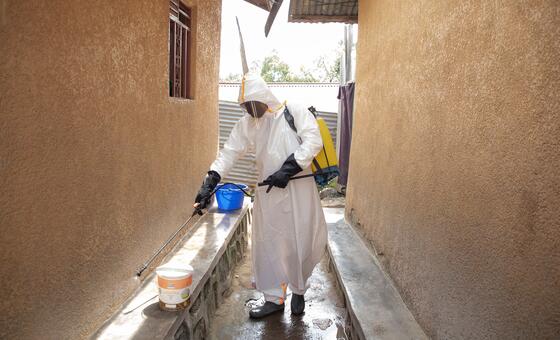
Ebola Outbreak in DR Congo Began Three Months Before Declaration
The World Health Organization has revealed through genetic sequencing that the Ebola outbreak in the Democratic Republic of Congo started in February, three months earlier than the official declaration made in May.

The World Health Organization announced that genetic sequencing of the Ebola virus in the Democratic Republic of Congo indicates the outbreak began around February. Officials declared the emergency only in May, meaning the disease spread undetected for approximately three months.
This revelation comes from viral genome analysis that traces the origins and development of the outbreak. The Democratic Republic of Congo, a vast Central African nation that has experienced multiple Ebola outbreaks in recent decades, faced delays in recognising this latest incident.
Health authorities in the country and international partners are now working to contain the fast-moving outbreak. The delayed declaration likely allowed additional transmission before targeted response measures could begin.
The Democratic Republic of Congo shares borders with nine countries, raising concerns about potential regional spread. Past outbreaks in the nation have sometimes crossed into neighbouring territories, though no such reports have emerged from this event.
The World Health Organization announced that genetic sequencing of the Ebola virus in the Democratic Republic of Congo indicates the outbreak began around February.
The WHO statement forms part of broader regional health reporting from Central Africa. The organisation continues to support local efforts to monitor and respond to the virus, which causes severe fever and internal bleeding in many cases.
In other developments across the region, Zambia is preparing for its presidential election this week. The southern African nation will see voters head to the polls in a contest that will shape the country's direction amid economic challenges.
Separately, a mine in Rwanda has emerged as one of the leading suppliers of tungsten to the United States. The metal, essential for various defence applications, highlights growing African contributions to critical mineral supply chains.
These stories underscore the range of health, political and economic issues facing different parts of the continent. The Ebola findings particularly stress the importance of early detection systems in remote areas where initial cases can go unnoticed.
Based on reporting by France24 Africa.
أعلنت منظمة الصحة العالمية أن تسلسل الجينوم الوراثي لفيروس الإيبولا في جمهورية الكونغو الديمقراطية يشير إلى أن التفشي بدأ حوالي شهر فبراير. أعلن المسؤولون حالة الطوارئ فقط في شهر مايو، مما يعني أن المرض انتشر دون اكتشاف لمدة ثلاثة أشهر تقريبا.
تأتي هذه الكشوفات من تحليل الجينوم الفيروسي الذي يتتبع أصول التفشي وتطوره. تواجه جمهورية الكونغو الديمقراطية، وهي دولة واسعة في وسط أفريقيا شهدت عدة تفشيات للإيبولا في العقود الأخيرة، تأخيرات في التعرف على هذه الحادثة الأخيرة.
تعمل السلطات الصحية في البلاد والشركاء الدوليون الآن على احتواء التفشي السريع. ربما سمح التأخير في الإعلان بانتقال إضافي قبل بدء الإجراءات المستهدفة للاستجابة.
تشترك جمهورية الكونغو الديمقراطية في الحدود مع تسع دول، مما يثير مخاوف بشأن الانتشار الإقليمي المحتمل. حدثت تفشيات سابقة في الدولة أحيانا عبورا إلى الأراضي المجاورة، على الرغم من عدم ورود تقارير مماثلة عن هذا الحدث.
يشكل بيان منظمة الصحة العالمية جزءا من تقارير الصحة الإقليمية الأوسع من وسط أفريقيا. تواصل المنظمة دعم الجهود المحلية لمراقبة الفيروس والاستجابة له، والذي يسبب حمى شديدة ونزيفا داخليا في كثير من الحالات.
في تطورات أخرى عبر المنطقة، تستعد زامبيا لانتخاباتها الرئاسية هذا الأسبوع. ستصوت الدولة الواقعة في جنوب أفريقيا في منافسة ستشكل اتجاه البلاد وسط تحديات اقتصادية.
بشكل منفصل، أصبح منجم في رواندا أحد الموردين الرئيسيين للتنغستن إلى الولايات المتحدة. يبرز المعدن، الذي يعد أساسيا لتطبيقات دفاعية مختلفة، مساهمات أفريقية متزايدة في سلاسل توريد المعادن الحرجة.
تؤكد هذه القصص على مجموعة من القضايا الصحية والسياسية والاقتصادية التي تواجه أجزاء مختلفة من القارة. تؤكد النتائج المتعلقة بالإيبولا بشكل خاص على أهمية أنظمة الكشف المبكر في المناطق النائية حيث يمكن أن تمر الحالات الأولية دون ملاحظة.