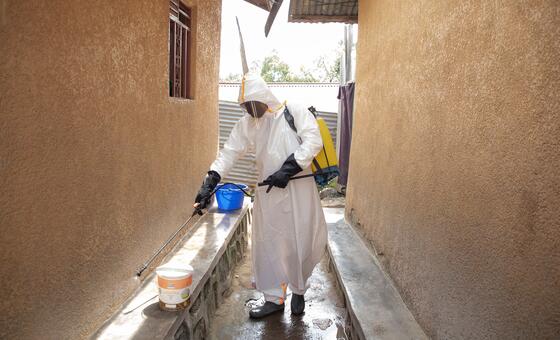
Ebola outbreak in DR Congo preceded official declaration by three months
Genetic sequencing from the World Health Organization indicates the current health emergency began months earlier than initially suspected, while Zambia prepares for upcoming presidential elections.

The World Health Organization (WHO) has confirmed that a rapid Ebola outbreak in the Democratic Republic of the Congo (DRC) began approximately three months before the government formally declared a state of emergency in May. According to France24 Africa, viral sequencing has allowed health authorities to trace the origins of the transmission further back than previous estimates had suggested.
This delay in detection highlights the persistent challenges of epidemiological surveillance in the DRC, where dense forest terrain and limited healthcare infrastructure often hamper early response efforts. Ebola, a viral hemorrhagic fever, requires immediate containment to prevent cross-border spread and high mortality rates among the affected populations.
Regional political and economic shifts
Beyond the health crisis in Central Africa, Southern Africa is entering a significant political period. Zambia is currently in a critical week as the nation prepares for its presidential elections. The vote is expected to be a closely watched event for regional stability and democratic transition in the copper-rich nation.
Ebola, a viral hemorrhagic fever, requires immediate containment to prevent cross-border spread and high mortality rates among the affected populations.
Simultaneously, the regional mining sector is seeing a shift in global supply chains. A mine in Rwanda has emerged as a primary supplier of tungsten to the United States. This development marks a strategic pivot for the US defense industry, which relies on tungsten as a critical component for military hardware and high-strength alloys.
The rise of Rwandan mineral exports to the American market underscores the growing importance of Great Lakes region resources in international security and defense manufacturing. The combination of health, electoral, and industrial developments reflects a period of significant activity across the continent's different economic zones.
Based on reporting by France24 Africa.
أكدت منظمة الصحة العالمية أن تفشي فيروس الإيبولا سريع الانتشار في جمهورية الكونغو الديمقراطية بدأ قبل نحو ثلاثة أشهر من إعلان حالة الطوارئ رسمياً في مايو. ووفقاً لفرانس 24 أفريقيا، سمح التسلسل الفيروسي للسلطات الصحية بتتبع أصول انتقال العدوى إلى فترة أبعد مما أشارت إليه التقديرات السابقة.
ويسلط هذا التأخير في الكشف الضوء على التحديات المستمرة للمراقبة الوبائية في جمهورية الكونغو الديمقراطية، حيث تعيق تضاريس الغابات الكثيفة والبنية التحتية الصحية المحدودة جهود الاستجابة المبكرة. ويتطلب الإيبولا، وهو حمى نزفية فيروسية، احتواءً فورياً لمنع الانتشار عبر الحدود وارتفاع معدلات الوفيات بين السكان المتضررين.
تحولات سياسية واقتصادية إقليمية
بعيداً عن الأزمة الصحية في وسط أفريقيا، تدخل منطقة الجنوب الأفريقي فترة سياسية هامة. وتمر زامبيا حالياً بأسبوع حاسم مع استعداد البلاد للانتخابات الرئاسية. ومن المتوقع أن يكون التصويت حدثاً مرتقباً للاستقرار الإقليمي والتحول الديمقراطي في الدولة الغنية بالنحاس.
وفي الوقت نفسه، يشهد قطاع التعدين الإقليمي تحولاً في سلاسل التوريد العالمية. حيث برز منجم في رواندا كمورد رئيسي للتنجستن إلى الولايات المتحدة. ويمثل هذا التطور محوراً استراتيجياً لصناعة الدفاع الأمريكية، التي تعتمد على التنجستن كمكون أساسي للمعدات العسكرية والسبائك عالية القوة.
ويؤكد ارتفاع صادرات المعادن الرواندية إلى السوق الأمريكية الأهمية المتزايدة لموارد منطقة البحيرات العظمى في الأمن الدولي والتصنيع الدفاعي. ويعكس مزيج التطورات الصحية والانتخابية والصناعية فترة من النشاط الكبير عبر المناطق الاقتصادية المختلفة في القارة.