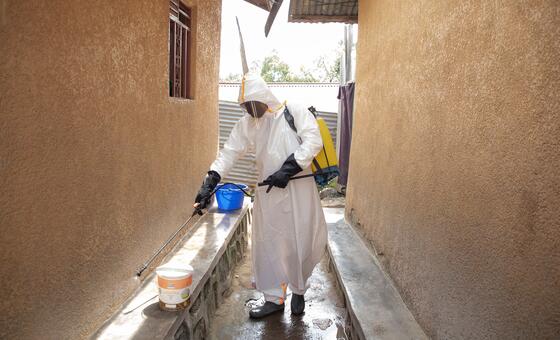
Ebola Outbreak in DR Congo Spreads as Healthcare Workers Strike Over Pay
The World Health Organization warns that the virus is outpacing containment efforts while frontline staff in Ituri province have ceased work due to wage disputes.

The Democratic Republic of Congo is facing a dual crisis as a resurging Ebola outbreak outpaces the international response while essential health workers remain on strike. The World Health Organization (WHO) has warned that the spread of the virus is currently faster than the measures being deployed to contain it, marking a critical phase in the public health emergency.
Tedros Adhanom Ghebreyesus, the Director-General of the WHO, stated on Wednesday that the efforts to combat the disease are falling behind the rate of transmission. This admission comes as the country struggles to manage one of the most difficult infectious disease environments in Central Africa, where localized outbreaks often threaten regional health security.
Industrial action hampers response
The situation is particularly acute in Ituri province, which has been identified as the epicenter of this latest wave. According to reports from families in the region, many frontline medical professionals have initiated a strike. The primary cause of the industrial action is a dispute over unpaid wages, which has led to a significant reduction in available medical staff.
The situation is particularly acute in Ituri province, which has been identified as the epicenter of this latest wave.
This labor unrest has directly impacted the ability of the health system to provide care and monitor the spread of the virus. With fewer professionals on the ground, tracing contacts and treating the infected has become increasingly difficult. The lack of active personnel in Ituri province has significantly worsened general access to healthcare for the local population during the peak of the outbreak.
Containment challenges
According to France24 Africa, the combination of the virus's rapid spread and the absence of a fully functioning medical workforce has created a bottleneck in the emergency response. Local families have expressed concern that the strike is leaving vulnerable communities without the necessary support to manage the highly contagious disease.
Health authorities are now facing the task of resolving the financial grievances of the workers while simultaneously attempting to regain control over the transmission rates in the eastern regions of the country. Failure to address the pay issues may further allow the virus to expand beyond the current hotspots.
Based on reporting by France24 Africa.
تواجه جمهورية الكونغو الديمقراطية أزمة مزدوجة حيث يتفوق تفشي فيروس إيبولا المتجدد على جهود الاستجابة الدولية، بينما يواصل العاملون الصحيون الأساسيون إضرابهم عن العمل. وحذرت منظمة الصحة العالمية من أن انتشار الفيروس حالياً أسرع من التدابير المتخذة لاحتوائه، مما يمثل مرحلة حرجة في حالة الطوارئ الصحية العامة.
وصرح تيدروس أدهانوم غيبريسوس، المدير العام لمنظمة الصحة العالمية، يوم الأربعاء بأن الجهود المبذولة لمكافحة المرض تتخلف عن معدل انتقال العدوى. يأتي هذا الاعتراف في وقت تكافح فيه البلاد لإدارة واحدة من أصعب بيئات الأمراض المعدية في وسط أفريقيا، حيث غالباً ما تهدد حالات التفشي المحلية الأمن الصحي الإقليمي.
العمل النقابي يعيق الاستجابة
يعتبر الوضع حاداً بشكل خاص في مقاطعة إيتوري، التي تم تحديدها كمركز لهذه الموجة الأخيرة. وبحسب تقارير من العائلات في المنطقة، بدأ العديد من المهنيين الطبيين في الخطوط الأمامية إضراباً عن العمل. والسبب الرئيسي لهذا التحرك العمالي هو الخلاف حول الأجور غير المدفوعة، مما أدى إلى انخفاض كبير في الكوادر الطبية المتاحة.
وقد أثر هذا الاضطراب العمالي بشكل مباشر على قدرة النظام الصحي على تقديم الرعاية ومراقبة انتشار الفيروس. ومع وجود عدد أقل من المهنيين على الأرض، أصبح تتبع المخالطين وعلاج المصابين صعباً بشكل متزايد. وقد أدى نقص الموظفين النشطين في مقاطعة إيتوري إلى تفاقم سوء الوصول العام إلى الرعاية الصحية للسكان المحليين خلال ذروة التفشي.
تحديات الاحتواء
وفقاً لـ فرانس 24 أفريقيا، فإن الجمع بين الانتشار السريع للفيروس وغياب القوى العاملة الطبية التي تعمل بكامل طاقتها قد خلق عقبة في استجابة الطوارئ. وأعربت العائلات المحلية عن قلقها من أن الإضراب يترك المجتمعات الضعيفة دون الدعم اللازم لإدارة المرض شديد العدوى.
وتواجه السلطات الصحية الآن مهمة حل المظالم المالية للعاملين مع محاولة استعادة السيطرة على معدلات انتقال العدوى في المناطق الشرقية من البلاد في آن واحد. وقد يؤدي الفشل في معالجة قضايا الأجور إلى السماح للفيروس بالتوسع أكثر خارج بؤر الانتشار الحالية.