Farmers in Uganda Guard Crops from Elephants at Night
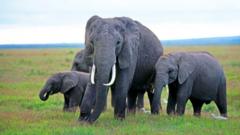
In Buliisa district, residents of three villages near a national park now sleep in makeshift huts to protect their gardens from elephants that raid crops at night.

Farmers in several villages in Uganda's Buliisa district have resorted to spending nights in temporary shelters beside their fields to defend their crops from elephants emerging from a nearby national park.
The practice reflects ongoing human-elephant conflict in the area, where residents of Kicoke, Bugana and Nganzi report frequent nighttime raids that threaten their harvests. According to a report by The Independent UG, the farmers stay awake to deter the animals and prevent damage that could leave them without food or income.
Buliisa lies in western Uganda, a region where protected wildlife areas border agricultural land. Elephants from the national park regularly cross into community fields, especially during certain seasons when crops are ready for harvest.
The situation forces families to adapt their daily routines, with adults taking turns or collectively watching over gardens through the night. This approach highlights the immediate challenges faced by small-scale farmers living adjacent to conservation zones.
Farmers in several villages in Uganda's Buliisa district have resorted to spending nights in temporary shelters beside their fields to defend their crops from elephants emerging from a nearby national park.
Human-wildlife conflict is a persistent issue across parts of Uganda where expanding agriculture meets protected habitats for large mammals. Communities often bear the costs in lost produce while national conservation policies aim to safeguard elephant populations.
Local accounts describe the stress and exhaustion of maintaining vigilance after full days of farm work. Without sustained mitigation measures, such as improved fencing or alternative livelihoods, the pattern of nighttime guarding is likely to continue.
The report from The Independent UG underscores how these conflicts affect rural livelihoods in Buliisa, where dependence on subsistence farming leaves little margin for crop losses. Similar tensions exist in other Ugandan districts bordering wildlife reserves, pointing to a broader national challenge of balancing conservation with human needs.
Based on reporting by The Independent UG.
لجأ المزارعون في عدة قرى في منطقة بوليسا بأوغندا إلى قضاء الليالي في مآوى مؤقتة بجانب حقولهم لحماية محاصيلهم من الأفيال التي تخرج من حديقة وطنية قريبة.
تعكس هذه الممارسة الصراع المستمر بين الإنسان والفيل في المنطقة، حيث يبلغ سكان كيكوكي وبوغانا ونغانزي عن غارات ليلية متكررة تهدد محاصيلهم. ووفقاً لتقرير نشرته ذي إندبندنت يو جي، يبقى المزارعون مستيقظين لصد الحيوانات ومنع الأضرار التي قد تتركهم بدون طعام أو دخل.
تقع بوليسا في غرب أوغندا، وهي منطقة يحدها مناطق محمية للحياة البرية والأراضي الزراعية. تعبر الأفيال من الحديقة الوطنية بانتظام إلى حقول المجتمعات، خاصة خلال مواسم معينة عندما تكون المحاصيل جاهزة للحصاد.
يجبر الوضع العائلات على تعديل روتينها اليومي، حيث يتناوب البالغون أو يتعاونون جماعياً في حراسة الحدائق طوال الليل. تبرز هذه الطريقة التحديات الفورية التي يواجهها صغار المزارعين الذين يعيشون بجوار مناطق الحفاظ على البيئة.
يعد الصراع بين الإنسان والحياة البرية قضية مستمرة في أجزاء من أوغندا حيث تلتقي الزراعة المتوسعة مع الموائل المحمية للثدييات الكبيرة. غالباً ما يتحمل المجتمعات التكاليف في شكل محاصيل مفقودة بينما تهدف سياسات الحفاظ الوطنية إلى حماية أعداد الأفيال.
تصف الروايات المحلية التوتر والإرهاق الناتجين عن الحراسة اليقظة بعد أيام كاملة من العمل الزراعي. بدون تدابير تخفيف مستدامة مثل الأسوار المحسنة أو سبل العيش البديلة، من المرجح أن يستمر نمط الحراسة الليلية.
يبرز التقرير من ذي إندبندنت يو جي كيف يؤثر هذا الصراع على سبل العيش الريفية في بوليسا، حيث يترك الاعتماد على الزراعة الكفافية هامشاً ضئيلاً لخسائر المحاصيل. توجد توترات مشابهة في مناطق أوغندية أخرى تحدها محميات الحياة البرية، مما يشير إلى تحدٍ وطني أوسع يتمثل في التوفيق بين الحفاظ على البيئة والاحتياجات البشرية.