Hormuz shipping crisis threatens food security and medical aid across Africa
A prolonged geopolitical standoff in the Middle East is disrupting humanitarian supply chains, leading to increased hunger levels and medical shortages in vulnerable nations like Somalia.
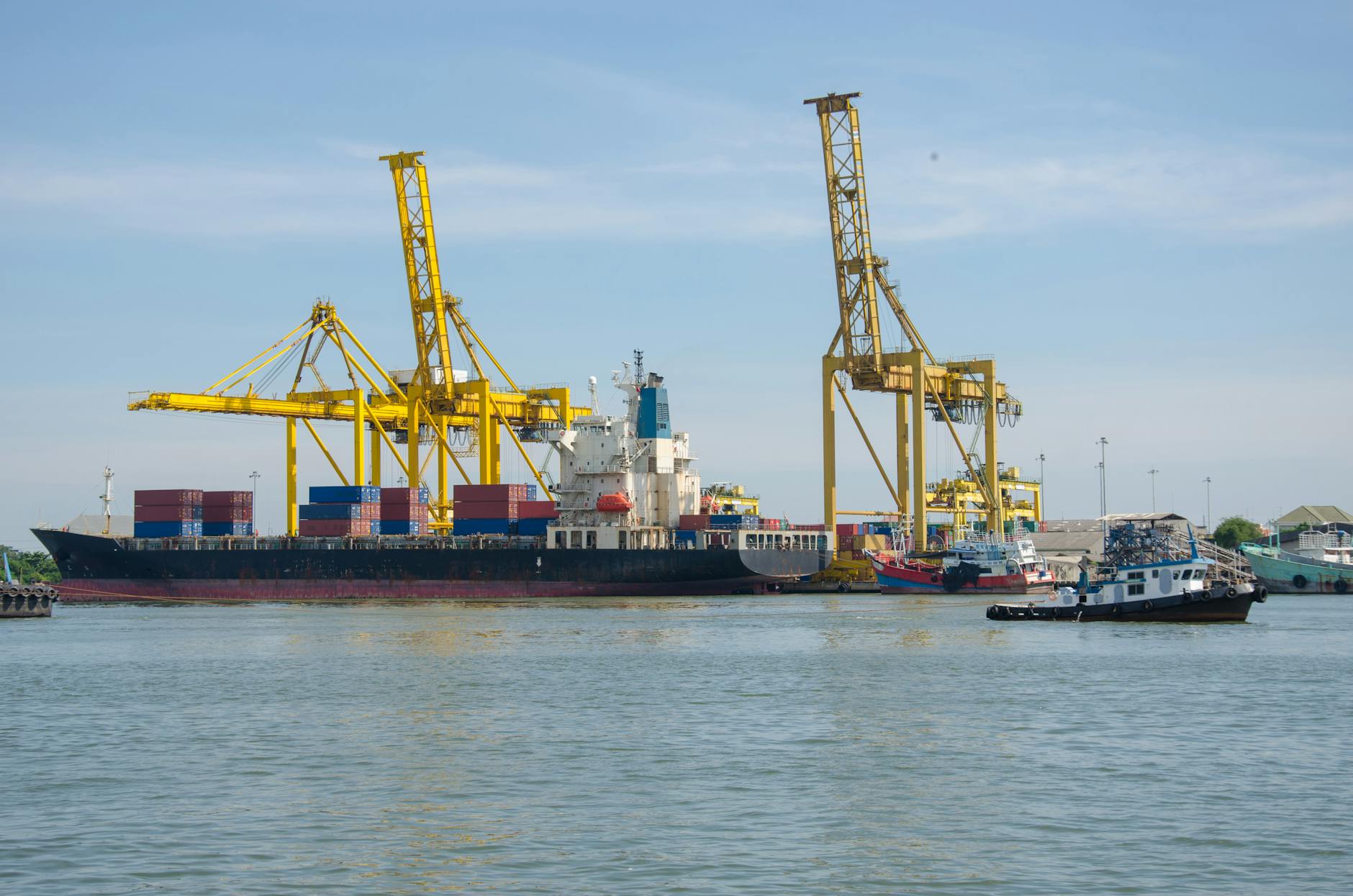
The ongoing maritime crisis in the Strait of Hormuz has evolved into a global humanitarian challenge, with United Nations agencies warning of a significant rise in food insecurity across Africa. Nearly 100 days into the geopolitical standoff in the Middle East, the resulting disruption to international shipping lanes is creating a secondary crisis for aid networks serving the world's most vulnerable populations.
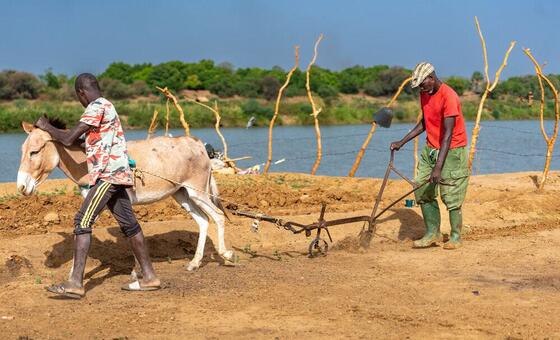
According to UN News Economy, the logistical delays and rising costs associated with the maritime instability are directly impacting food lines in Somalia. The country, which relies heavily on international assistance to mitigate the effects of recurring drought and economic instability, is now facing a reduction in the flow of essential grain and nutritional supplies. This bottleneck in the global supply chain means that aid which was previously scheduled for delivery is now significantly delayed or more expensive to transport.
Impact on medical and food aid
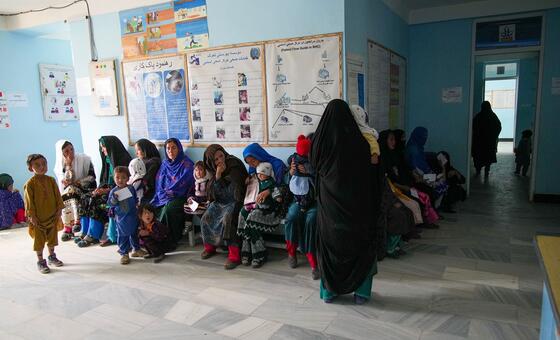
The shockwaves of the Hormuz crisis extend beyond the African continent, affecting clinical operations as far as Afghanistan. Humanitarian workers report that malnourished children are being turned away from medical clinics due to a lack of resources. The crisis has forced a prioritization of dwindling supplies, leaving healthcare providers unable to meet the growing demand for therapeutic feeding and basic medical interventions.
According to UN News Economy, the logistical delays and rising costs associated with the maritime instability are directly impacting food lines in Somalia.
International agencies indicate that what began as a regional security concern is now a systemic threat to global food security. The inability to move goods freely through critical corridors has inflated the cost of humanitarian operations, stretching the budgets of organizations already struggling to manage multiple global emergencies. Without a resolution to the maritime disruption, the UN warns that the number of people facing acute hunger will continue to climb as aid networks remain fractured.
Based on reporting by UN News Economy.
تحولت الأزمة الملاحية المستمرة في مضيق هرمز إلى تحدٍ إنساني عالمي، حيث حذرت وكالات الأمم المتحدة من ارتفاع ملحوظ في انعدام الأمن الغذائي في جميع أنحاء أفريقيا. فبعد مرور ما يقرب من 100 يوم على المواجهة الجيوسياسية في الشرق الأوسط، أدى الاضطراب الناتج في خطوط الشحن الدولية إلى خلق أزمة ثانوية لشبكات الإغاثة التي تخدم الفئات الأكثر ضعفاً في العالم.
وفقاً لما ذكرته وكالة أنباء الأمم المتحدة الاقتصادية (UN News Economy)، فإن التأخيرات اللوجستية والتكاليف المتزايدة المرتبطة بعدم الاستقرار البحري تؤثر بشكل مباشر على طوابير الغذاء في الصومال. وتواجه البلاد، التي تعتمد بشكل كبير على المساعدات الدولية للتخفيف من آثار الجفاف المتكرر وعدم الاستقرار الاقتصادي، انخفاضاً في تدفق الحبوب والإمدادات الغذائية الأساسية. ويعني هذا العنق الزجاجي في سلسلة التوريد العالمية أن المساعدات التي كان من المقرر تسليمها سابقاً قد تأخرت الآن بشكل كبير أو أصبحت تكلفة نقلها أكثر غلاءً.
التأثير على المساعدات الطبية والغذائية
تمتد تداعيات أزمة هرمز إلى ما هو أبعد من القارة الأفريقية، حيث تؤثر على العمليات السريرية في مناطق بعيدة مثل أفغانستان. وأفاد عمال الإغاثة الإنسانية بأنه يتم إعادة الأطفال الذين يعانون من سوء التغذية من العيادات الطبية بسبب نقص الموارد. وقد فرضت الأزمة تحديد أولويات للإمدادات المتناقصة، مما ترك مقدمي الرعاية الصحية غير قادرين على تلبية الطلب المتزايد على التغذية العلاجية والتدخلات الطبية الأساسية.
وتشير الوكالات الدولية إلى أن ما بدأ كقلق أمني إقليمي أصبح الآن تهديداً منظومياً للأمن الغذائي العالمي. وقد أدى عدم القدرة على نقل البضائع بحرية عبر الممرات الحيوية إلى تضخم تكاليف العمليات الإنسانية، مما أرهق ميزانيات المنظمات التي تعاني بالفعل لإدارة حالات طوارئ عالمية متعددة. وتحذر الأمم المتحدة من أنه بدون حل للاضطراب البحري، فإن عدد الأشخاص الذين يواجهون الجوع الحاد سيستمر في الارتفاع مع بقاء شبكات الإغاثة متصدعة.