United Nations Warns of Fragile Global Economy Amid Rising Geopolitical Tensions
The global economic outlook is entering a volatile phase as international conflicts and fluctuating energy prices threaten to destabilize international trade and suppress worldwide growth prospects.
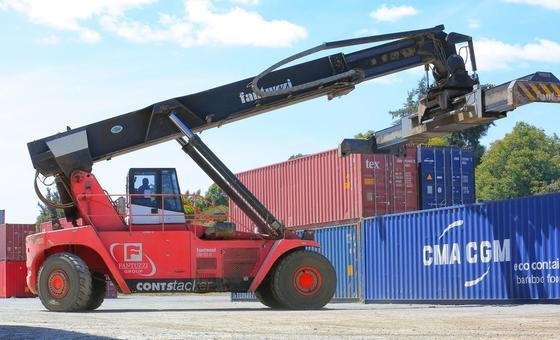
The global economy is entering a increasingly fragile period characterized by heightened geopolitical conflicts and financial instability, according to a report by UN News Economy. The United Nations warns that these overlapping crises are creating significant barriers to sustained global growth and the smooth flow of international trade.
Several factors are contributing to this shift in the economic landscape. Rising energy costs have emerged as a primary concern, placing additional pressure on national economies and industrial sectors. This volatility in the energy market, combined with broader geopolitical tensions, has created a climate of uncertainty that impacts both developed and emerging markets.
Drivers of Instability
Financial instability is also cited as a major threat to the current economic trajectory. The combination of conflict and shifting financial conditions suggests a departure from previous periods of stability. These factors do not operate in isolation; rather, they reinforce one another to create a more precarious environment for global commerce.
Several factors are contributing to this shift in the economic landscape.
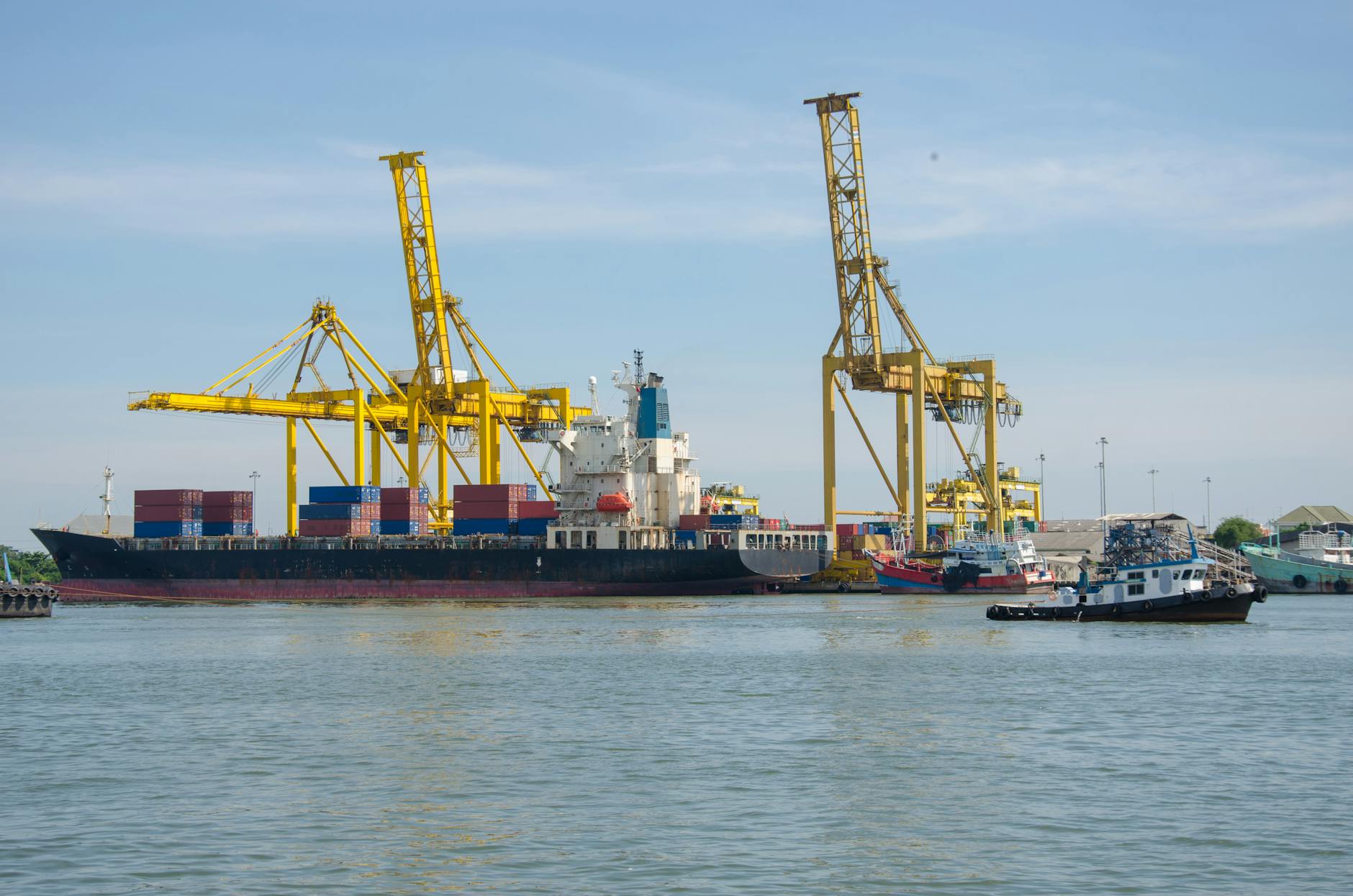
International trade is particularly vulnerable to these developments. As geopolitical tensions rise, established trade routes and economic partnerships face disruption. The UN News Economy report indicates that these challenges are now a central feature of the global economic outlook, requiring careful monitoring by international stakeholders.
Broader Global Context
The economic warning comes alongside other significant global challenges highlighted by the United Nations. These include funding shortfalls for aid in Gaza, ongoing violence in South Sudan, and recent attacks on religious sites. The convergence of these security and humanitarian issues further complicates the path toward global economic recovery and cooperation.
Based on reporting by UN News Economy.
يدخل الاقتصاد العالمي فترة تتسم بهشاشة متزايدة ناتجة عن الصراعات الجيوسياسية المتصاعدة وعدم الاستقرار المالي، وفقاً لتقرير صادر عن أخبار الأمم المتحدة الاقتصادية. وتحذر الأمم المتحدة من أن هذه الأزمات المتداخلة تضع عوائق كبيرة أمام النمو العالمي المستدام وانسيابية التجارة الدولية.
وتساهم عدة عوامل في هذا التحول في المشهد الاقتصادي، حيث برز ارتفاع تكاليف الطاقة كقلق أساسي، مما يضع ضغوطاً إضافية على الاقتصادات الوطنية والقطاعات الصناعية. وقد خلق هذا التقلب في سوق الطاقة، مقترناً بالتوترات الجيوسياسية الأوسع، مناخاً من عدم اليقين يؤثر على كل من الأسواق المتقدمة والناشئة.
محركات عدم الاستقرار
كما تم الاستشهاد بعدم الاستقرار المالي كتهديد رئيسي للمسار الاقتصادي الحالي. ويشير مزيج الصراعات والظروف المالية المتغيرة إلى الابتعاد عن فترات الاستقرار السابقة. إن هذه العوامل لا تعمل بمعزل عن بعضها البعض، بل يعزز بعضها بعضاً لخلق بيئة أكثر خطورة للتجارة العالمية.
وتعد التجارة الدولية عرضة بشكل خاص لهذه التطورات. ومع تصاعد التوترات الجيوسياسية، تواجه طرق التجارة القائمة والشراكات الاقتصادية اضطرابات ملموسة. ويشير تقرير أخبار الأمم المتحدة الاقتصادية إلى أن هذه التحديات أصبحت الآن سمة مركزية لآفاق الاقتصاد العالمي، مما يتطلب مراقبة دقيقة من قبل الأطراف الدولية المعنية.
السياق العالمي الأوسع
يأتي هذا التحذير الاقتصادي جنباً إلى جنب مع تحديات عالمية رئيسية أخرى سلطت الأمم المتحدة الضوء عليها، بما في ذلك النقص في تمويل المساعدات لغزة، والعنف المستمر في جنوب السودان، والهجمات الأخيرة على المواقع الدينية. إن تقارب هذه القضايا الأمنية والإنسانية يزيد من تعقيد المسار نحو التعافي الاقتصادي العالمي والتعاون الدولي.