Hurricane Melissa Disrupted Schooling for Hundreds of Thousands of Children
Nearly 477,000 children across Cuba, Haiti and Jamaica faced major interruptions to their education three weeks after the storm struck the Caribbean region, according to the United Nations.
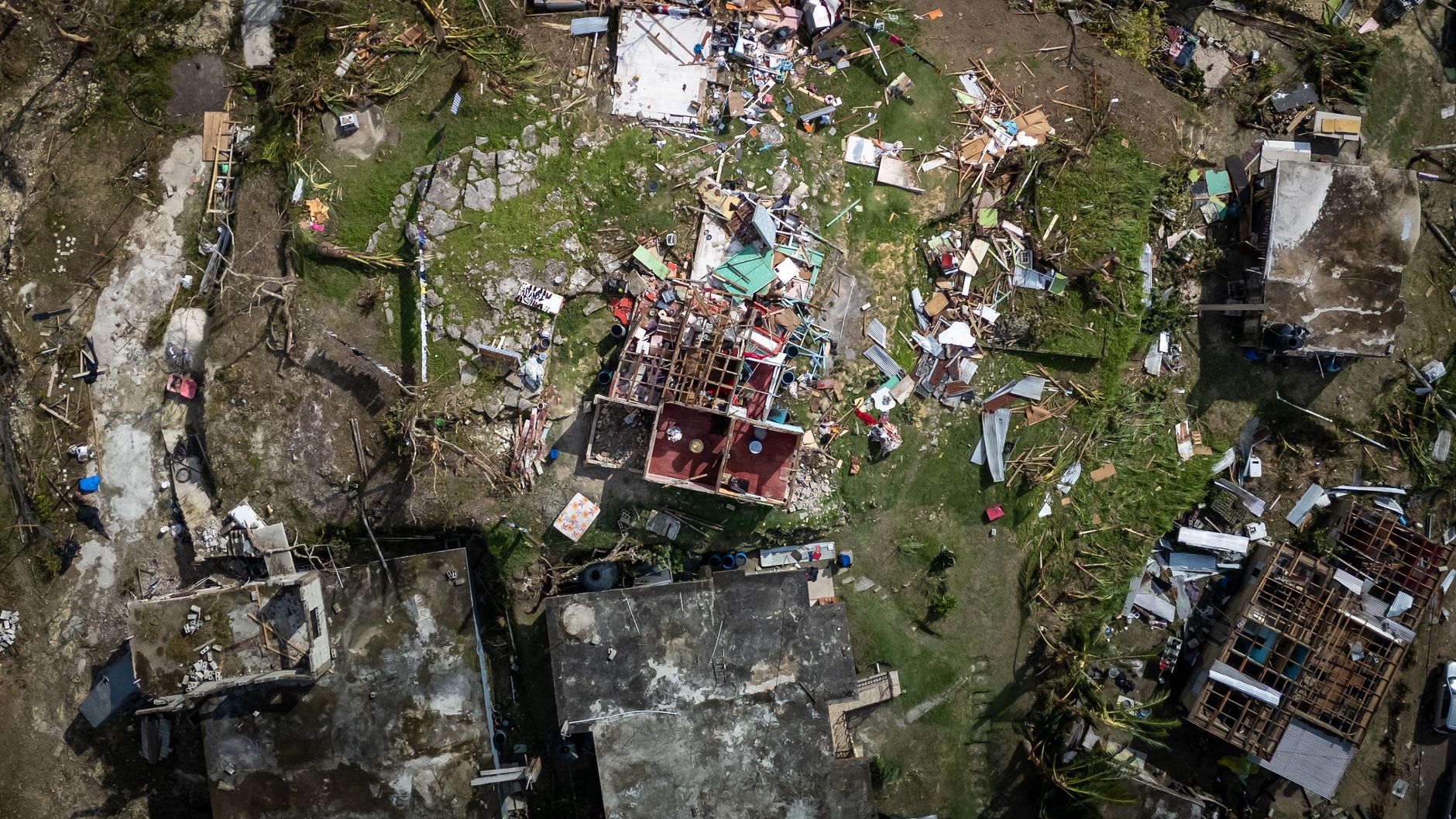
Hurricane Melissa caused significant damage to schools in three Caribbean nations, leaving nearly 477,000 children unable to attend classes normally, the United Nations has reported.
The storm struck the region in early November 2025, affecting Cuba, Haiti and Jamaica. Three weeks later, many schools remained damaged or fully closed. Children were either missing classes entirely or attending lessons in temporary learning spaces that often lacked proper facilities.
The United Nations highlighted the scale of the educational disruption on 20 November 2025. A spokesperson for the organisation noted that the affected children represented a substantial portion of the student population in the impacted areas.
Haiti, which has faced repeated natural disasters and political instability in recent years, is particularly vulnerable to such setbacks in its education system. The country’s schools already operate under strained conditions, and further damage from hurricanes can delay progress for entire school years.
Hurricane Melissa caused significant damage to schools in three Caribbean nations, leaving nearly 477,000 children unable to attend classes normally, the United Nations has reported.
Cuba maintains a strong state-run education system with high literacy rates, but physical infrastructure can still suffer during intense tropical storms. Jamaica, meanwhile, has been working to strengthen its disaster resilience, yet school buildings in some coastal and low-lying areas remain at risk.
The disruptions come at a critical time for students preparing for end-of-year examinations or transitioning between academic levels. Temporary learning arrangements, while necessary, often fail to provide the same quality of instruction or access to resources such as laboratories, libraries and information technology.
International agencies have previously stressed the long-term consequences of prolonged school closures in the Caribbean, where education is seen as a key pathway out of poverty. Recovery efforts typically focus on rapid school repairs and the distribution of learning materials, but full restoration can take months.
The United Nations data, released through its spokesperson, underscores the regional nature of the hurricane’s impact. Melissa affected multiple countries simultaneously, stretching local and international response capacities.
Based on reporting by The Independent UG.
تسبب إعصار ميليسا في أضرار كبيرة للمدارس في ثلاث دول كاريبية، مما ترك ما يقرب من 477000 طفل غير قادرين على حضور الدروس بشكل طبيعي، وفقاً لتقرير الأمم المتحدة.
ضرب العاصفة المنطقة في أوائل نوفمبر 2025، وأثر على كوبا وهايتي وجامايكا. وبعد ثلاثة أسابيع، بقيت العديد من المدارس متضررة أو مغلقة بالكامل. كان الأطفال إما يفتقدون الدروس تماماً أو يحضرون دروساً في أماكن تعليمية مؤقتة غالباً ما تفتقر إلى المرافق المناسبة.
سلطت الأمم المتحدة الضوء على حجم التعطيل التعليمي في 20 نوفمبر 2025. أشار المتحدث باسم المنظمة إلى أن الأطفال المتضررين يمثلون نسبة كبيرة من السكان الطلاب في المناطق المتضررة.
تعتبر هايتي، التي واجهت كوارث طبيعية متكررة وعدم استقرار سياسي في السنوات الأخيرة، معرضة بشكل خاص لهذه الانتكاسات في نظامها التعليمي. تعمل مدارس البلاد بالفعل في ظروف متوترة، ويمكن للأضرار الإضافية الناتجة عن الأعاصير أن تؤخر التقدم لسنوات دراسية كاملة.
تحافظ كوبا على نظام تعليمي قوي تديره الدولة مع معدلات إلمام بالقراءة والكتابة مرتفعة، لكن البنية التحتية المادية لا تزال تعاني أثناء العواصف الاستوائية الشديدة. تعمل جامايكا في الوقت نفسه على تعزيز قدرتها على الصمود أمام الكوارث، إلا أن مباني المدارس في بعض المناطق الساحلية والمنخفضة لا تزال معرضة للخطر.
يأتي التعطيل في وقت حرج بالنسبة للطلاب الذين يستعدون للامتحانات النهائية للعام أو ينتقلون بين المستويات الأكاديمية. ترتبط الترتيبات التعليمية المؤقتة، على الرغم من ضرورتها، في كثير من الأحيان بعدم توفير نفس جودة التعليم أو الوصول إلى موارد مثل المختبرات والمكتبات وتكنولوجيا المعلومات.
أكدت الوكالات الدولية سابقاً على العواقب طويلة الأجل لإغلاق المدارس لفترات طويلة في منطقة الكاريبي، حيث يُنظر إلى التعليم على أنه مسار رئيسي للخروج من الفقر. تركز جهود التعافي عادة على إصلاح المدارس بسرعة وتوزيع مواد التعلم، لكن الاستعادة الكاملة قد تستغرق أشهراً.
تؤكد بيانات الأمم المتحدة، التي أُفرج عنها عبر متحدثها، على الطابع الإقليمي لتأثير الإعصار. أثر ميليسا على عدة دول في وقت واحد، مما أجهد قدرات الاستجابة المحلية والدولية.