Nigeria Faces Deepening Healthcare Challenges
The West African nation struggles with one of the world's poorest performing medical systems, where patients have only a slim chance of surviving serious cardiac events.
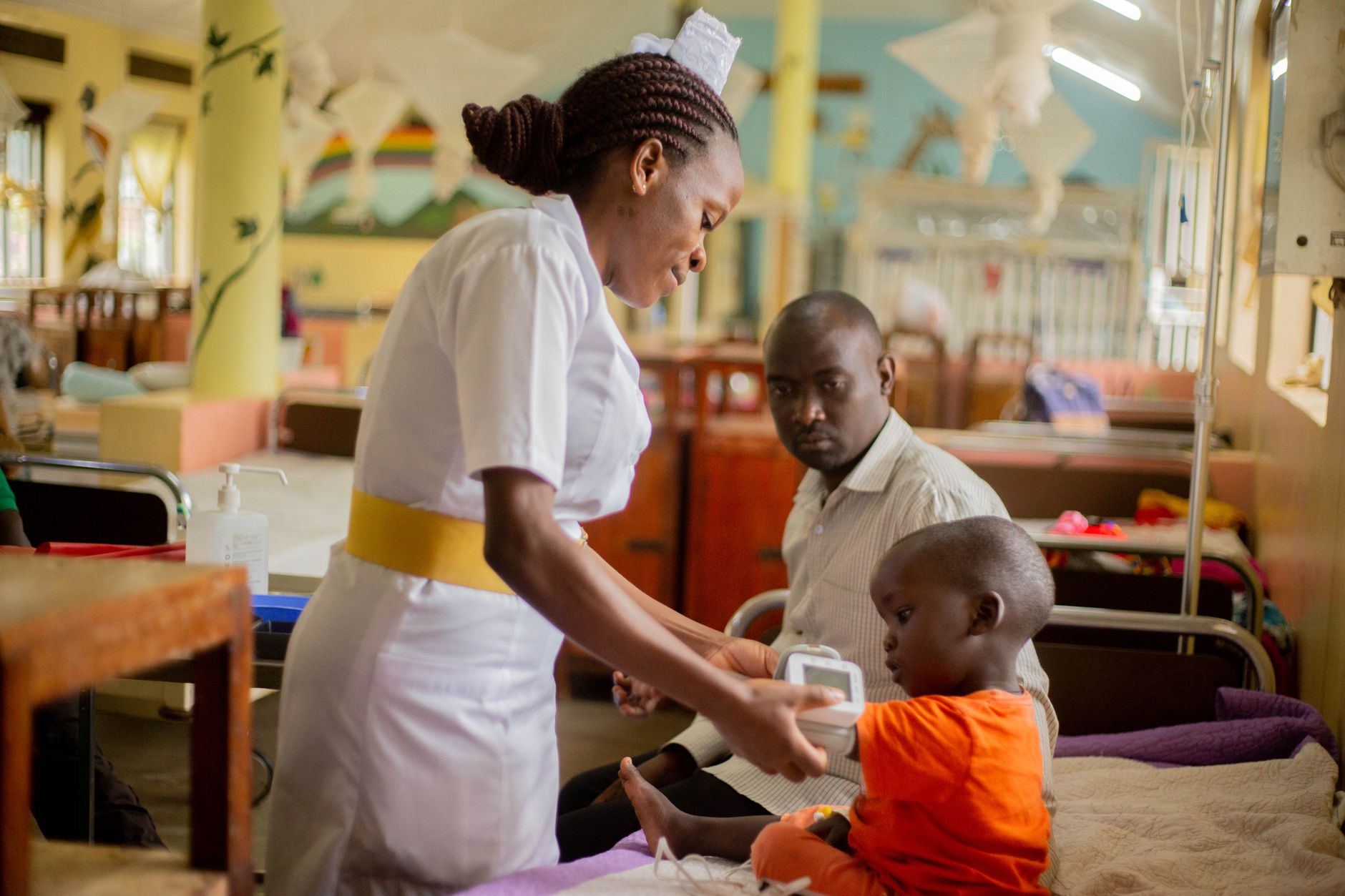
Nigeria's healthcare system remains among the lowest ranked globally, presenting persistent difficulties that exceed the capacity of private sector initiatives to resolve.
The country, Africa's most populous with more than 200 million people, contends with widespread deficiencies in medical infrastructure and services. According to Techpoint Africa, the healthcare network delivers some of the weakest outcomes worldwide.
A heart attack in Nigeria carries only a five percent survival rate, the report indicated. This statistic underscores the limited access to timely emergency care, advanced diagnostics and follow-up treatment in both urban and rural settings.
Public hospitals frequently face shortages of essential drugs, equipment and trained personnel. Many facilities lack consistent electricity and clean water, complicating even basic procedures.
Nigeria's healthcare system remains among the lowest ranked globally, presenting persistent difficulties that exceed the capacity of private sector initiatives to resolve.
Private startups have attempted to address gaps through telemedicine, pharmaceutical delivery and health financing applications. Yet the scale of the underlying problems, including inadequate government funding and brain drain of medical professionals, limits their overall impact.
Regional disparities compound the difficulties. Northern states generally record weaker health indicators than southern ones, while the nation's economic pressures have reduced household ability to afford care.
International partners continue supporting targeted programmes, but systemic reform requires sustained domestic investment and policy coordination. Observers note that meaningful progress depends on addressing root causes rather than isolated innovations.
Based on reporting by Techpoint Africa.
يظل النظام الصحي في نيجيريا من بين أدنى المراتب عالمياً، مما يطرح صعوبات مستمرة تتجاوز قدرة المبادرات الخاصة على حلها.
تواجه البلاد، التي تعد الأكثر سكاناً في أفريقيا بأكثر من 200 مليون نسمة، نقائص واسعة النطاق في البنية التحتية والخدمات الطبية. ووفقاً لموقع تيك بوينت أفريكا، يقدم الشبكة الصحية بعضاً من أضعف النتائج على مستوى العالم.
يحمل النوبة القلبية في نيجيريا احتمالية بقاء تبلغ خمسة في المائة فقط، كما أشار التقرير. يبرز هذا الرقم محدودية الوصول إلى الرعاية الطارئة في الوقت المناسب والتشخيص المتقدم والعلاج المتابع في كل من المناطق الحضرية والريفية.
تواجه المستشفيات العامة نقصاً متكرراً في الأدوية الأساسية والمعدات والكوادر المدربة. وتفتقر العديد من المنشآت إلى الكهرباء الثابتة والمياه النظيفة، مما يعقد حتى الإجراءات الأساسية.
حاولت الشركات الناشئة الخاصة سد الفجوات من خلال الطب عن بعد وتوصيل الأدوية وتطبيقات تمويل الصحة. غير أن حجم المشكلات الأساسية، بما في ذلك التمويل الحكومي غير الكافي وهجرة الأطباء، يحد من تأثيرها الكلي.
تفاقم التفاوتات الإقليمية الصعوبات. تسجل الولايات الشمالية مؤشرات صحية أضعف عموماً مقارنة بالولايات الجنوبية، في حين أدت الضغوط الاقتصادية في البلاد إلى تقليل قدرة الأسر على تحمل تكاليف الرعاية.
يستمر الشركاء الدوليون في دعم برامج محددة، لكن الإصلاح المنهجي يتطلب استثماراً محلياً مستمراً وتنسيقاً سياسياً. يلاحظ المراقبون أن التقدم الملموس يعتمد على معالجة الأسباب الجذرية بدلاً من الابتكارات المعزولة.