Nigeria Prepares for Return of Over 3,000 Refugees from Cameroon
UNHCR and partners have approved the repatriation of 3,122 Nigerians who fled Boko Haram violence in Borno State, marking a significant step in regional displacement management.
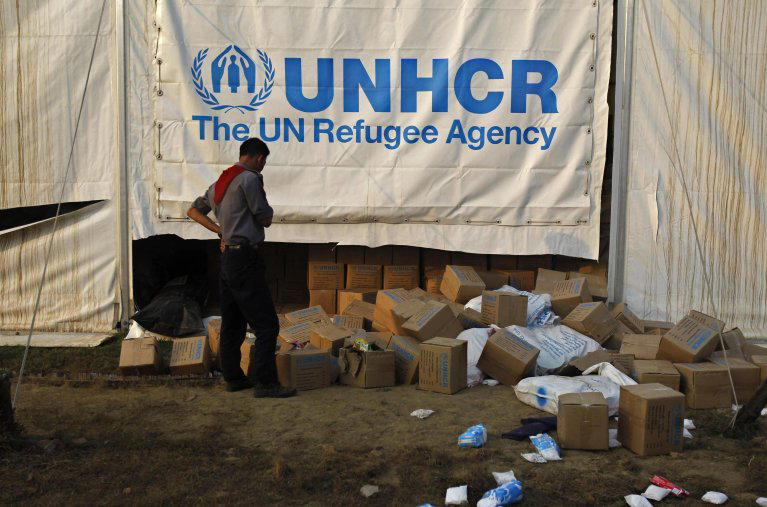
Nigerian authorities, working with international partners, have cleared 3,122 refugees in Cameroon for return to their homes in Borno State.
The individuals, displaced by Boko Haram attacks, originate from communities in the Gwoza and Bama council areas. Their approval for repatriation was announced in late January following assessments by the United Nations refugee agency and collaborating organisations.
Borno State, in Nigeria's northeast, has been the epicentre of the Boko Haram insurgency since 2009. The militant group's campaign of violence has forced millions from their homes across the Lake Chad Basin region, which spans Nigeria, Cameroon, Chad and Niger.
Many of those affected sought refuge in neighbouring Cameroon. The decision to facilitate their return reflects improved security conditions in parts of Borno, according to Vanguard Nigeria, though challenges remain in fully stabilising the area.
Nigerian authorities, working with international partners, have cleared 3,122 refugees in Cameroon for return to their homes in Borno State.
Repatriation processes for refugees in the region typically involve coordination between national governments, UNHCR and humanitarian agencies. These efforts aim to ensure safe, voluntary and dignified returns while addressing reintegration needs upon arrival.
The Lake Chad Basin crisis has created one of Africa's largest displacement situations. Cross-border movements of people fleeing violence have strained resources in host communities and complicated regional stability.
Successful returns depend on adequate security provision, access to basic services and opportunities for livelihoods in communities of origin. Nigerian officials will need to monitor conditions closely to prevent renewed displacement.
This latest clearance forms part of broader efforts to resolve protracted refugee situations across the Sahel and Lake Chad region. It highlights ongoing collaboration between Nigeria and Cameroon on humanitarian matters amid persistent security threats from insurgent groups.
Based on reporting by Vanguard Nigeria.
أعدت السلطات النيجيرية بالتعاون مع شركاء دوليين 3122 لاجئا في الكاميرون للعودة إلى ديارهم في ولاية بورنو.
الأفراد الذين نزحوا بسبب هجمات جماعة بوكو حرام ينحدرون من مجتمعات في مناطق غوزا وباما الإدارية. وقد أُعلن عن موافقتهم على إعادة التوطين في أواخر يناير بعد تقييمات أجرتها وكالة الأمم المتحدة للاجئين والمنظمات المتعاونة معها.
تشكل ولاية بورنو في شمال شرق نيجيريا مركز تمرد جماعة بوكو حرام منذ عام 2009. وقد أجبرت حملة العنف التي تشنها الجماعة المسلحة ملايين الأشخاص على الفرار من منازلهم عبر منطقة حوض بحيرة تشاد التي تمتد إلى نيجيريا والكاميرون وتشاد والنيجر.
لجأ كثيرون من المتضررين إلى الكاميرون المجاورة. ويعكس قرار تسهيل عودتهم تحسن الظروف الأمنية في أجزاء من بورنو وفقا لصحيفة فانغارد نيجيريا على الرغم من استمرار التحديات في استقرار المنطقة بالكامل.
تشمل عمليات إعادة توطين اللاجئين في المنطقة عادة تنسيقا بين الحكومات الوطنية والمفوضية السامية للأمم المتحدة لشؤون اللاجئين والوكالات الإنسانية. وتهدف هذه الجهود إلى ضمان عودة آمنة وطوعية وكريمة مع تلبية احتياجات الاندماج عند الوصول.
أدت أزمة حوض بحيرة تشاد إلى خلق واحدة من أكبر حالات النزوح في أفريقيا. وقد أجهدت التحركات عبر الحدود للأشخاص الفارين من العنف موارد المجتمعات المضيفة وأعقدت الاستقرار الإقليمي.
تعتمد العودة الناجحة على توفير الأمن الكافي والوصول إلى الخدمات الأساسية وفرص سبل العيش في مجتمعات المنشأ. وسيتعين على المسؤولين النيجيريين مراقبة الظروف عن كثب لمنع حدوث نزوح جديد.
تشكل هذه الموافقة الأخيرة جزءا من جهود أوسع لحل حالات اللاجئين الطويلة الأمد عبر منطقة الساحل وحوض بحيرة تشاد. وهي تسلط الضوء على التعاون المستمر بين نيجيريا والكاميرون في المسائل الإنسانية وسط التهديدات الأمنية المستمرة من الجماعات المتمردة.