
Nigeria's Political Scene Remains Turbulent
Recent events including the appointment of a new electoral commission chairman and protests calling for the release of a prominent activist have highlighted ongoing tensions in the country's governance.
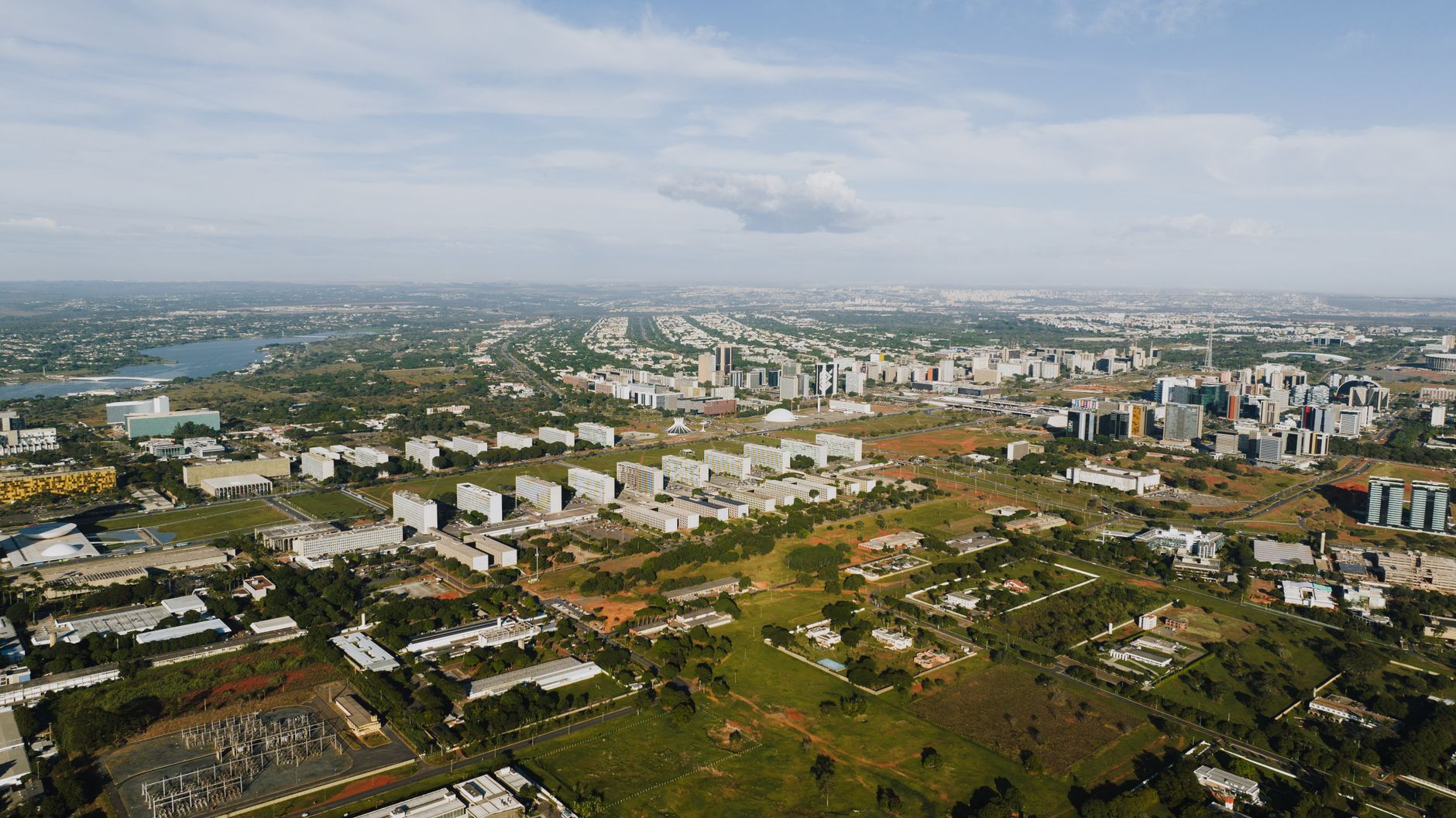
Nigeria's political landscape showed continued volatility last year as two significant developments captured national attention and affected daily life in the capital.
The Senate confirmed and administered the oath of office to a new chairman for the Independent National Electoral Commission. This appointment comes at a critical time for the country's electoral body, which oversees national and state polls in Africa's most populous nation.
The development coincided with large-scale protests in Abuja organised by a movement seeking the release of Nnamdi Kanu. The demonstrations, led by activist Omoyele Sowore, brought parts of the federal capital to a standstill, illustrating the persistent divisions within Nigerian society.
These events unfolded during a single week in late October 2025, underscoring the multiple pressures facing the West African country's political system. The confirmation of the electoral commission leadership is intended to strengthen preparations for future votes, while the protests reflect unresolved grievances among different segments of the population.
Nigeria's political landscape showed continued volatility last year as two significant developments captured national attention and affected daily life in the capital.
Nigeria operates as a federal republic with a presidential system. Abuja, the planned capital city established in 1991, frequently becomes the focal point for both official proceedings and public demonstrations due to the concentration of government institutions there.
The Independent National Electoral Commission plays a central role in managing elections across Nigeria's 36 states and the federal capital territory. Its leadership has often been subject to intense scrutiny from political parties and civil society groups.
Public protests remain a common feature of Nigerian political expression, particularly in the capital where demonstrators can directly target federal authorities. The specific demands voiced during the October 2025 actions centred on long-standing calls for the freedom of Kanu, a figure associated with separatist sentiments in the southeast.
The combination of these occurrences within days of each other served as a reminder of the complex interplay between institutional processes and popular mobilisation in Nigeria's democracy.
Based on reporting by Daily Trust.
أظهر المشهد السياسي في نيجيريا استمرار التقلبات العام الماضي حيث جذب تطوران هامان الاهتمام الوطني وأثرا على الحياة اليومية في العاصمة.
أكد مجلس الشيوخ وأدى اليمين الدستورية لرئيس جديد لللجنة الوطنية المستقلة للانتخابات. يأتي هذا التعيين في وقت حرج لهيئة الانتخابات في البلاد التي تشرف على الاقتراع الوطني والولائي في أكثر دول أفريقيا سكاناً.
تزامن هذا التطور مع احتجاجات واسعة النطاق في أبوجا نظمها تحرك يسعى لإطلاق سراح نnamdi Kanu. أوقفت المظاهرات التي قادها الناشط Omoyele Sowore أجزاء من العاصمة الاتحادية، مما يوضح الانقسامات المستمرة داخل المجتمع النيجيري.
تكشفت هذه الأحداث خلال أسبوع واحد في أواخر أكتوبر 2025، مما يبرز الضغوط المتعددة التي تواجه النظام السياسي في هذا البلد الواقع في غرب أفريقيا. يهدف تأكيد قيادة لجنة الانتخابات إلى تعزيز الاستعدادات للتصويتات المستقبلية، في حين تعكس الاحتجاجات الشكاوى غير المحلولة بين فئات مختلفة من السكان.
تعمل نيجيريا كجمهورية اتحادية بنظام رئاسي. غالباً ما تصبح أبوجا، العاصمة المخطط لها التي أنشئت في عام 1991، مركزاً لكل من الإجراءات الرسمية والمظاهرات العامة بسبب تركز المؤسسات الحكومية هناك.
تلعب اللجنة الوطنية المستقلة للانتخابات دوراً مركزياً في إدارة الانتخابات عبر 36 ولاية في نيجيريا وإقليم العاصمة الاتحادية. غالباً ما تخضع قيادتها لتدقيق شديد من الأحزاب السياسية وجماعات المجتمع المدني.
تظل الاحتجاجات العامة سمة شائعة للتعبير السياسي النيجيري، خاصة في العاصمة حيث يمكن للمتظاهرين استهداف السلطات الاتحادية مباشرة. ركزت المطالب المحددة التي عبر عنها خلال أحداث أكتوبر 2025 على الدعوات الطويلة الأمد لإطلاق سراح كانو، وهو شخصية مرتبطة بالنزعات الانفصالية في الجنوب الشرقي.
خدم اجتماع هذه الوقائع خلال أيام قليلة من بعضها البعض كتذكير بالتفاعل المعقد بين العمليات المؤسسية والتعبئة الشعبية في ديمقراطية نيجيريا.


