
Nigeria Soldiers Face Renewed Scrutiny Over Alleged Gang Links
The detention of a private has revived longstanding questions about whether elements within the military are colluding with criminal networks in Nigeria, a country battling persistent banditry and insurgency.
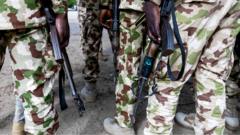
The recent arrest of a Nigerian soldier has reignited concerns that some members of the armed forces may be aiding criminal gangs, thereby worsening the West African nation's security problems.
Nigeria has for years struggled with banditry, kidnapping for ransom and armed insurgency, particularly in its northern regions. These threats have displaced communities, disrupted agriculture and strained the state's ability to maintain order. The involvement of any military personnel in such activities would represent a serious breach of trust and undermine counter-insurgency efforts.
According to BBC Africa, the detention of the private has prompted fresh questions about potential collusion between troops and criminal groups. While details of the specific case remain limited, the incident taps into broader suspicions that have circulated for some time among analysts and affected populations.
Security experts have previously pointed to cases where soldiers were accused of selling arms, leaking operational information or providing protection to bandits in exchange for financial gain. Such allegations, though not always proven in court, have eroded public confidence in the military's role as a protector.
The recent arrest of a Nigerian soldier has reignited concerns that some members of the armed forces may be aiding criminal gangs, thereby worsening the West African nation's security problems.
The Nigerian military has in the past denied systemic collusion, insisting that any rogue elements are dealt with through internal disciplinary processes. However, the frequency with which such incidents surface continues to fuel debate about accountability within the ranks.
The country's security challenges are compounded by the vast territory that security forces must cover, from the forests of the southeast to the semi-arid zones of the northwest. Limited resources and difficult terrain have often hampered effective responses to criminal activity.
For ordinary Nigerians, particularly in rural areas hardest hit by banditry, the possibility that soldiers may be collaborating with criminals adds another layer of fear and uncertainty to daily life. Farmers and traders already face extortion and violence; any perception of military complicity risks further destabilising affected regions.
Analysts say addressing these concerns requires greater transparency in investigations and stronger oversight mechanisms. Without concrete steps to root out potential collusion, efforts to restore stability in Nigeria may continue to face internal obstacles.
Based on reporting by BBC Africa.
أدى اعتقال جندي نيجيري حديث إلى إعادة إشعال المخاوف من أن بعض أفراد القوات المسلحة قد يساعدون العصابات الإجرامية، مما يفاقم مشكلات الأمن في الدولة الواقعة غرب إفريقيا.
تواجه نيجيريا منذ سنوات صعوبات مع قطاع الطرق والخطف مقابل الفدية والتمرد المسلح، لا سيما في مناطقها الشمالية. لقد أدت هذه التهديدات إلى نزوح المجتمعات وتعطيل الزراعة وإجهاد قدرة الدولة على حفظ النظام. إن تورط أي عناصر عسكرية في مثل هذه الأنشطة سيمثل خرقاً خطيراً للثقة ويقوض جهود مكافحة التمرد.
وفقاً لـBBC Africa، أدى احتجاز الجندي إلى طرح أسئلة جديدة حول التواطؤ المحتمل بين الجنود والجماعات الإجرامية. ورغم أن تفاصيل الحالة المحددة لا تزال محدودة، فإن الحادث يلامس شكوكاً أوسع نطاقاً كانت تدور منذ فترة بين المحللين والسكان المتضررين.
أشار خبراء الأمن سابقاً إلى حالات اتهم فيها جنود ببيع الأسلحة أو تسريب معلومات عملياتية أو تقديم الحماية لقطاع الطرق مقابل مكاسب مالية. ورغم أن هذه الاتهامات لم تثبت دائماً أمام المحاكم، إلا أنها أضعفت الثقة العامة في دور الجيش كحامٍ.
نفت القوات المسلحة النيجيرية في الماضي وجود تواطؤ منهجي، مؤكدة أن أي عناصر منحرفة تُعالج من خلال إجراءات تأديبية داخلية. غير أن تكرار ظهور مثل هذه الحوادث يستمر في تغذية النقاش حول المساءلة داخل الصفوف.
تتعقد تحديات الأمن في البلاد بسبب المساحة الشاسعة التي يتعين على قوات الأمن تغطيتها، من غابات الجنوب الشرقي إلى المناطق شبه الجافة في الشمال الغربي. غالباً ما أعاقت الموارد المحدودة والتضاريس الصعبة الاستجابات الفعالة للنشاط الإجرامي.
بالنسبة للنيجيريين العاديين، ولا سيما في المناطق الريفية الأكثر تضرراً من قطاع الطرق، فإن إمكانية تعاون الجنود مع المجرمين تضيف طبقة أخرى من الخوف وعدم اليقين إلى الحياة اليومية. يواجه المزارعون والتجار بالفعل الابتزاز والعنف؛ ويحمل أي تصور لتواطؤ عسكري خطراً على زعزعة استقرار المناطق المتضررة.
يقول المحللون إن معالجة هذه المخاوف يتطلب قدراً أكبر من الشفافية في التحقيقات وآليات رقابة أقوى. وبدون خطوات ملموسة لاستئصال التواطؤ المحتمل، قد تواجه جهود استعادة الاستقرار في نيجيريا عقبات داخلية مستمرة.


