Nigerian agency warns of adulterated palm oil in Minna markets
Nigeria's food and drug regulator has alerted consumers to the presence of adulterated palm oil being sold in markets in Minna, the capital of Niger State.
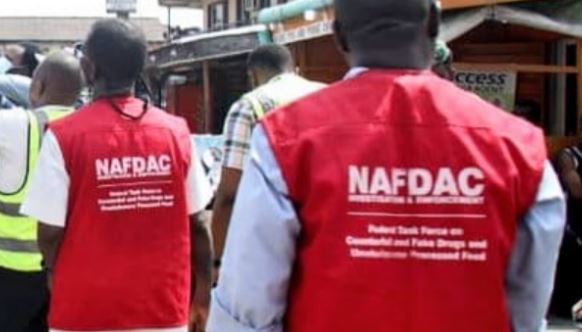
Nigeria's National Agency for Food, Drug Administration and Control has warned consumers about adulterated palm oil on sale in markets in Minna.
The agency raised the alarm over the product being sold in the Niger State capital, according to Vanguard Nigeria. Palm oil is a staple cooking ingredient across much of Nigeria and West Africa, widely used in households and by food vendors.
Minna serves as the administrative and commercial centre of Niger State, which lies in north-central Nigeria. The state is known for its agricultural output, including oil palm cultivation in suitable areas, though much of the palm oil sold in its markets may also come from southern producing regions.
Adulteration of food products, including edible oils, has been a recurring concern in Nigerian markets. Such practices can involve mixing the oil with cheaper or harmful substances that affect its quality and safety for consumption.
Nigeria's National Agency for Food, Drug Administration and Control has warned consumers about adulterated palm oil on sale in markets in Minna.
The warning underscores the challenges faced by regulatory bodies in monitoring the vast informal markets that supply most everyday goods to Nigerian consumers. NAFDAC regularly conducts surveillance and public awareness campaigns to protect public health from substandard and falsified products.
Consumers in Minna and surrounding areas have been advised to exercise caution when purchasing palm oil. Official guidance typically encourages buyers to look for proper packaging, labelling and colour characteristics that indicate unadulterated product, though specific recommendations were not detailed in reports of the alert.
Nigeria's food safety framework relies on agencies like NAFDAC to enforce standards across both formal and informal sectors. Incidents of adulteration often gain attention when they affect widely consumed items such as palm oil, which forms a significant part of the national diet.
Based on reporting by Vanguard Nigeria.
حذرت الوكالة الوطنية النيجيرية للأغذية والأدوية والإدارة والسيطرة المستهلكين من زيت النخيل المغشوش المعروض للبيع في أسواق مينا.
رفعت الوكالة الإنذار بشأن المنتج المباع في عاصمة ولاية النيجر، وفقاً لوكالة فانغارد نيجيريا. يُعد زيت النخيل مكوناً أساسياً في الطبخ في معظم أنحاء نيجيريا وغرب أفريقيا، ويُستخدم على نطاق واسع في المنازل ومن قبل بائعي الأغذية.
تُعد مينا المركز الإداري والتجاري لولاية النيجر التي تقع في شمال وسط نيجيريا. تُعرف الولاية بإنتاجها الزراعي، بما في ذلك زراعة نخيل الزيت في المناطق المناسبة، على الرغم من أن الكثير من زيت النخيل المباع في أسواقها قد يأتي أيضاً من مناطق الإنتاج الجنوبية.
يُعد غش المواد الغذائية، بما في ذلك الزيوت الصالحة للأكل، أمراً متكرراً في الأسواق النيجيرية. قد تشمل هذه الممارسات خلط الزيت بمواد أرخص أو ضارة تؤثر على جودته وسلامته للاستهلاك.
يبرز التحذير التحديات التي تواجهها الهيئات التنظيمية في مراقبة الأسواق غير الرسمية الواسعة التي توفر معظم السلع اليومية للمستهلكين النيجيريين. تجري الوكالة الوطنية للأغذية والأدوية بانتظام عمليات مراقبة وحملات توعية عامة لحماية الصحة العامة من المنتجات دون المستوى والمزيفة.
نُصح المستهلكون في مينا والمناطق المحيطة بها بتوخي الحذر عند شراء زيت النخيل. تشجع التوجيهات الرسمية عادةً المشترين على البحث عن تغليف وتسمية مناسبين وخصائص لونية تشير إلى منتج غير مغشوش، على الرغم من أن التوصيات المحددة لم تُفصل في تقارير الإنذار.
تعتمد إطار سلامة الغذاء في نيجيريا على وكالات مثل الوكالة الوطنية للأغذية والأدوية لفرض المعايير عبر القطاعين الرسمي وغير الرسمي. غالباً ما تحظى حوادث الغش بالاهتمام عندما تؤثر على السلع المستهلكة على نطاق واسع مثل زيت النخيل الذي يشكل جزءاً كبيراً من النظام الغذائي الوطني.