Peacekeepers Establish Mobile Base Near Ebola Treatment Centre in Congo
United Nations forces have deployed a new mobile station in the Democratic Republic of the Congo to protect health workers following an attack on a medical facility.
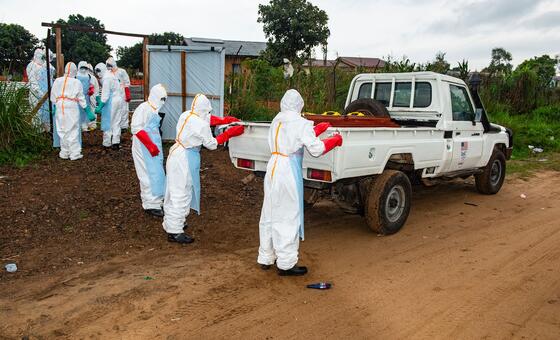
United Nations peacekeepers have established a new mobile operations base in the Democratic Republic of the Congo to secure an Ebola response site after recent violence. The deployment follows an attack on a treatment centre that had previously forced medical personnel to suspend their efforts to contain the virus.
The presence of the peacekeepers allows local authorities and healthcare providers to resume critical operations during the current outbreak. According to UN News Africa, the fast-moving nature of the Ebola virus in the region necessitated an immediate security intervention to prevent the collapse of medical services in the affected area.
Security for Medical Response
The temporary base was positioned specifically to provide a security perimeter for the medics and the treatment facility. Before the arrival of the peacekeepers, the disruption caused by the attack had hindered the ability of local health teams to monitor the spread of the disease and provide care to patients.
The deployment follows an attack on a treatment centre that had previously forced medical personnel to suspend their efforts to contain the virus.
In the Democratic Republic of the Congo, medical responders often face significant logistical and security challenges when operating in areas where armed groups are active. The UN peacekeeping mission’s decision to move in next door to the health facility is intended to deter further hostility against those working to manage the health crisis.
Maintaining Health Services
With the mobile base now operational, local officials can continue the specialized work of identifying and isolating Ebola cases. This stability is considered vital for the broader strategy of containing the virus before it spreads to more densely populated regions.
The mission continues to monitor the situation surrounding the treatment centre as medical teams work to re-establish the full range of services disrupted by the earlier violence. The integration of security and health responses remains a key component of the international effort to manage infectious disease outbreaks in conflict zones.
Based on reporting by UN News Africa.
أنشأت قوات حفظ السلام التابعة للأمم المتحدة قاعدة عمليات متنقلة جديدة في جمهورية الكونغو الديمقراطية لتأمين موقع للاستجابة لفيروس إيبولا بعد أعمال عنف أخيرة. ويأتي هذا الانتشار في أعقاب هجوم على مركز علاج أدى في السابق إلى تعليق الجهود الطبية الرامية لاحتواء الفيروس.
ويسمح وجود قوات حفظ السلام للسلطات المحلية ومقدمي الرعاية الصحية باستئناف العمليات الحيوية خلال تفشي المرض الحالي. ووفقاً لـ "أخبار الأمم المتحدة في أفريقيا"، فإن الطبيعة السريعة لانتشار فيروس إيبولا في المنطقة استوجبت تدخلاً أمنياً فورياً لمنع انهيار الخدمات الطبية في المنطقة المتضررة.
أمن الاستجابة الطبية
وتم وضع القاعدة المؤقتة خصيصاً لتوفير محيط أمني للمسعفين ومرفق العلاج. وقبل وصول قوات حفظ السلام، كان الاضطراب الناجم عن الهجوم قد أعاق قدرة الفرق الصحية المحلية على مراقبة انتشار المرض وتقديم الرعاية للمرضى.
في جمهورية الكونغو الديمقراطية، غالباً ما يواجه المستجيبون الطبيون تحديات لوجستية وأمنية كبيرة عند العمل في المناطق التي تنشط فيها الجماعات المسلحة. ويهدف قرار بعثة حفظ السلام التابعة للأمم المتحدة بالانتقال إلى جوار المرفق الصحي إلى ردع أي أعمال عدائية أخرى ضد العاملين على إدارة الأزمة الصحية.
استمرار الخدمات الصحية
ومع تشغيل القاعدة المتنقلة الآن، يمكن للمسؤولين المحليين مواصلة العمل المتخصص في تحديد حالات الإصابة بإيبولا وعزلها. ويعتبر هذا الاستقرار حيوياً للاستراتيجية الأوسع نطاقاً لاحتواء الفيروس قبل انتشاره إلى مناطق أكثر اكتظاظاً بالسكان.
وتواصل البعثة مراقبة الوضع المحيط بمركز العلاج بينما تعمل الفرق الطبية على إعادة تقديم مجموعة كاملة من الخدمات التي تعطلت بسبب أعمال العنف السابقة. ويبقى التكامل بين الاستجابات الأمنية والصحية عنصراً أساسياً في الجهد الدولي لإدارة تفشي الأمراض المعدية في مناطق النزاع.