Rights group faults plan to amend Nigeria Police Act
A Nigerian civil society organisation has criticised the National Assembly for advancing a bill to change the Nigeria Police Act 2020, saying the proposed legislation contains errors and should not receive presidential approval.
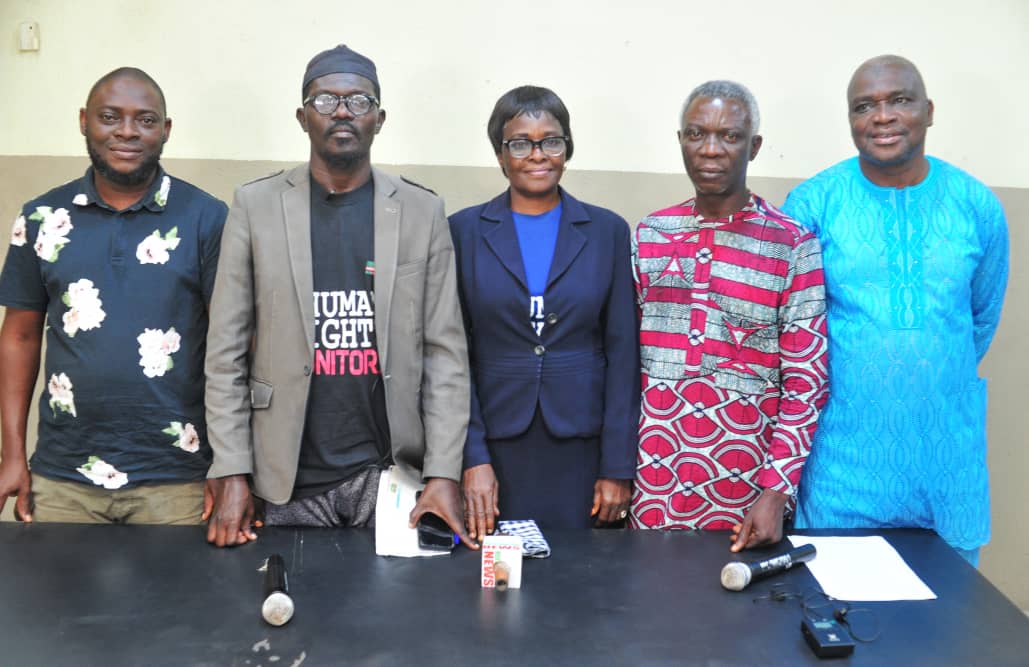
A civil society organisation in Nigeria has condemned the National Assembly's decision to pass a bill amending the Nigeria Police Act 2020.
The Human Rights Monitoring Agenda, known as HURMA, argued that the bill is flawed and urged President Bola Tinubu to withhold his assent. The group made its position known through its executive director, who highlighted concerns over the content of the proposed changes.
Nigeria operates under a presidential system in which legislation passed by the bicameral National Assembly requires the president's signature to become law. The Nigeria Police Act 2020 was a significant reform aimed at modernising the country's policing framework, addressing issues such as accountability, welfare and operational independence.
The civil society group maintains that the current amendment effort is problematic. It has called on the executive to reject the bill in its present form, citing what it describes as multiple errors within the text.
A civil society organisation in Nigeria has condemned the National Assembly's decision to pass a bill amending the Nigeria Police Act 2020.
The National Assembly consists of the Senate and the House of Representatives. Its resolutions on police reform carry weight because the police force is a federal institution serving Nigeria's 36 states and the Federal Capital Territory.
HURMA's intervention reflects broader civil society engagement in legislative processes in Nigeria. Such groups often scrutinise bills for potential impacts on human rights, governance and institutional effectiveness.
The organisation has not detailed the specific errors it identified in the bill. Its public statement focused on the overall assessment that the amendment process should be halted at the presidential level.
This development occurs within Nigeria's ongoing efforts to strengthen its security architecture. The police force plays a central role in maintaining law and order across Africa's most populous nation, which faces diverse challenges ranging from urban crime to rural insecurity.
Based on reporting by Vanguard Nigeria.
نددت منظمة مجتمع مدني في نيجيريا بقرار الجمعية الوطنية تمرير مشروع قانون يعدل قانون الشرطة النيجيري لعام 2020.
وقالت منظمة مراقبة حقوق الإنسان المعروفة باسم هورما إن مشروع القانون به عيوب ودعت الرئيس بولا تينوبو إلى عدم منحه موافقته. وأعربت الجماعة عن موقفها من خلال مديرها التنفيذي الذي سلط الضوء على المخاوف بشأن محتوى التغييرات المقترحة.
تعمل نيجيريا بنظام رئاسي يتطلب فيه أن يوقع الرئيس على التشريعات التي تمررها الجمعية الوطنية ثنائية المجلس لتصبح قانونا. كان قانون الشرطة النيجيري لعام 2020 إصلاحا هاما يهدف إلى تحديث إطار عمل الشرطة في البلاد ومعالجة قضايا مثل المساءلة والرعاية والاستقلال التشغيلي.
تؤكد جماعة المجتمع المدني أن جهد التعديل الحالي يحتوي على مشكلات. وقد دعت السلطة التنفيذية إلى رفض مشروع القانون في شكله الحالي مشيرة إلى ما تصفه بأخطاء متعددة داخل النص.
تتكون الجمعية الوطنية من مجلس الشيوخ ومجلس النواب. تحمل قراراتها بشأن إصلاح الشرطة ثقلا لأن قوة الشرطة مؤسسة اتحادية تخدم 36 ولاية في نيجيريا ومقاطعة العاصمة الاتحادية.
يعكس تدخل هورما مشاركة المجتمع المدني الأوسع في العمليات التشريعية في نيجيريا. غالبا ما تقوم مثل هذه الجماعات بفحص مشاريع القوانين بحثا عن التأثيرات المحتملة على حقوق الإنسان والحوكمة والفعالية المؤسسية.
لم تفصل المنظمة الأخطاء المحددة التي حددتها في مشروع القانون. ركز بيانها العام على التقييم العام بأن عملية التعديل يجب أن تتوقف على المستوى الرئاسي.
يأتي هذا التطور ضمن جهود نيجيريا المستمرة لتعزيز هيكلها الأمني. تلعب قوة الشرطة دورا مركزيا في حفظ النظام والقانون في أكثر دول أفريقيا سكانا والتي تواجه تحديات متنوعة تتراوح بين الجريمة الحضرية وعدم الاستقرار الريفي.