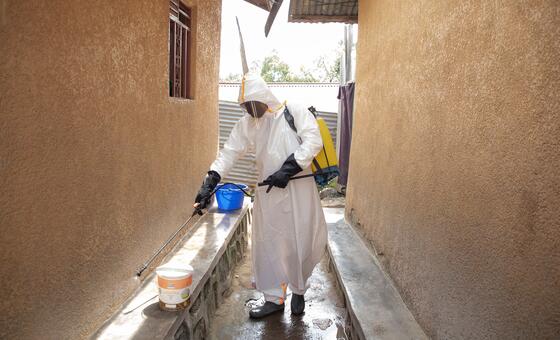
Rising Child Fatalities Reported in Eastern Democratic Republic of Congo Ebola Outbreak
United Nations officials confirmed that over three hundred children have died during a viral surge involving the rare Bundibugyo species in the country's eastern region.
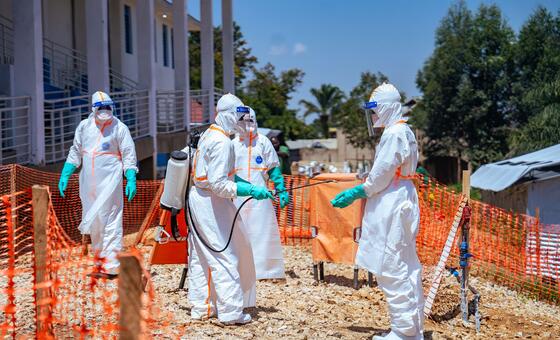
The United Nations reported on Friday that more than 300 children have died in an ongoing Ebola outbreak in the eastern Democratic Republic of the Congo (DRC). The mortality figures highlight the vulnerability of younger populations to the virus as health authorities struggle to contain the spread of a specific and rare strain known as the Bundibugyo species.
International health experts are now calling for the implementation of clinical trials for the only available vaccine against this particular species of the virus. These specialists argue that deploying the vaccine is a necessary step to halt further transmission and reduce the death toll in the affected provinces.
The Bundibugyo Challenge
The current outbreak is driven by the Bundibugyo species, which is less common than the Zaire strain that has historically caused larger epidemics in the region. Because different species of Ebola require specific medical interventions, the presence of this rare variant has necessitated a shift in the public health response and an urgent evaluation of existing preventative tools.
These specialists argue that deploying the vaccine is a necessary step to halt further transmission and reduce the death toll in the affected provinces.
Eastern DRC has long faced challenges in managing infectious diseases due to complex local factors, including infrastructure limitations and geographical isolation. The UN's latest data underscores the disproportionate impact the virus is having on children, who often require specialized pediatric care during hemorrhagic fever outbreaks.
Vaccination Efforts
According to UN News Africa, the push for vaccine trials comes as medical teams seek to establish the efficacy of current immunizations against the Bundibugyo variant. While vaccines have been successfully deployed in previous Zaire-strain outbreaks, health experts emphasize that rigorous testing is required to ensure the same level of protection for the current crisis.
Health agencies remain focused on monitoring the situation in the eastern provinces. The goal of the proposed trials is to provide a standardized tool for healthcare workers to protect at-risk communities and ultimately bring the fatality rate down among the most vulnerable demographics.
Based on reporting by UN News Africa.
أفادت الأمم المتحدة يوم الجمعة أن أكثر من 300 طفل لقوا حتفهم في تفشي مستمر لفيروس إيبولا في شرق جمهورية الكونغو الديمقراطية. وتسلط أرقام الوفيات الضوء على ضعف الفئات الشابة أمام الفيروس في وقت تكافح فيه السلطات الصحية لاحتواء انتشار سلالة نادرة ومعينة تُعرف باسم فصيلة "بونديبوغيو".
ويدعو خبراء الصحة الدوليون الآن إلى إجراء تجارب سريرية للقاح الوحيد المتاح ضد هذه الفصيلة المحددة من الفيروس. ويجادل هؤلاء المتخصصون بأن نشر اللقاح خطوة ضرورية لوقف المزيد من انتقال العدوى وتقليل عدد الوفيات في المقاطعات المتضررة.
تحدي بونديبوغيو
يحدث التفشي الحالي بسبب فصيلة بونديبوغيو، وهي أقل شيوعاً من سلالة زئير التي تسببت تاريخياً في أوبئة أكبر في المنطقة. ونظراً لأن الفصائل المختلفة من إيبولا تتطلب تدخلات طبية محددة، فإن وجود هذا المتغير النادر قد استلزم تحولاً في استجابة الصحة العامة وتقييماً عاجلاً لأدوات الوقاية الحالية.
وقد واجه شرق جمهورية الكونغو الديمقراطية منذ فترة طويلة تحديات في إدارة الأمراض المعدية بسبب عوامل محلية معقدة، بما في ذلك محدودية البنية التحتية والعزلة الجغرافية. وتؤكد أحدث بيانات الأمم المتحدة التأثير غير المتناسب للفيروس على الأطفال، الذين غالباً ما يحتاجون إلى رعاية متخصصة للأطفال أثناء تفشي الحمى النزفية.
جهود التطعيم
وفقاً لـ "أخبار الأمم المتحدة أفريقيا"، يأتي التوجه نحو تجارب اللقاحات في وقت تسعى فيه الفرق الطبية للتأكد من فعالية التحصينات الحالية ضد متغير بونديبوغيو. وبينما تم نشر اللقاحات بنجاح في حالات تفشي سلالة زئير السابقة، يؤكد خبراء الصحة أن الاختبارات الصارمة مطلوبة لضمان نفس المستوى من الحماية للأزمة الحالية.
وتظل الوكالات الصحية مركزة على مراقبة الوضع في المقاطعات الشرقية. والهدف من التجارب المقترحة هو توفير أداة معيارية للعاملين في مجال الرعاية الصحية لحماية المجتمعات المعرضة للخطر، وفي نهاية المطاف خفض معدل الوفيات بين الفئات الديموغرافية الأكثر ضعفاً.