Search and rescue efforts continue in Venezuela after damaging earthquake
Emergency response teams are working to locate survivors and provide shelter to thousands of displaced residents following a seismic event that crippled essential national infrastructure and services.
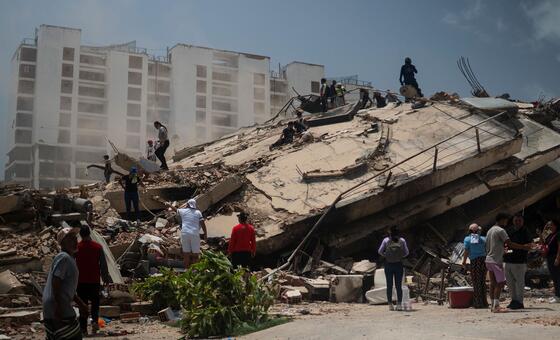
Search and rescue operations remained active in Venezuela on Tuesday as the country grapples with the aftermath of a major earthquake. The disaster has disrupted essential services across affected regions, leaving thousands of displaced survivors without adequate housing and prompting urgent humanitarian concerns regarding public health and safety.
International humanitarian agencies have issued an alert regarding the potential spread of infectious diseases among the displaced population. With key services crippled, the ability to maintain sanitation and provide clean water has been severely compromised, increasing the risk of outbreaks in temporary settlements where survivors have gathered.
Missing healthcare personnel
The impact on the medical sector is particularly acute, as reports indicate that several health workers remain missing following the seismic activity. The loss of medical staff, combined with the damage to infrastructure, has hindered the immediate response to those injured during the quake. Teams are currently prioritizing the location of these missing professionals while attempting to restore basic medical functions.
Search and rescue operations remained active in Venezuela on Tuesday as the country grapples with the aftermath of a major earthquake.
Displacement and shelter crisis
Thousands of people have been forced from their homes due to structural damage or the fear of aftershocks. Finding suitable shelter for this large number of survivors remains a primary challenge for local authorities and aid groups. Many residents are currently staying in makeshift conditions as the search for more permanent temporary housing solutions continues.
According to UN News Economy, the situation remains fluid as responders navigate the debris. The focus of the ongoing operations is split between the immediate life-saving task of finding individuals trapped in the wreckage and the longer-term necessity of preventing a secondary health crisis among the surviving population.
Based on reporting by UN News Economy.
استمرت عمليات البحث والإنقاذ في فنزويلا يوم الثلاثاء في الوقت الذي تكافح فيه البلاد تداعيات زلزال عنيف. وقد أدى الزلزال إلى تعطيل الخدمات الأساسية في المناطق المتضررة، مما ترك آلاف الناجين النازحين دون سكن ملائم، وأثار مخاوف إنسانية عاجلة بشأن الصحة العامة والسلامة.
وأصدرت وكالات الإغاثة الدولية تحذيراً بشأن الانتشار المحتمل للأمراض المعدية بين السكان النازحين. ومع تضرر الخدمات الرئيسية، تعرضت القدرة على الحفاظ على الصرف الصحي وتوفير المياه النظيفة لخطر شديد، مما يزيد من احتمالات تفشي الأوبئة في المستوطنات المؤقتة التي تجمع فيها الناجون.
فقدان كوادر طبية
ويعد التأثير على القطاع الطبي حاداً بشكل خاص، حيث تشير التقارير إلى أن العديد من العاملين في مجال الصحة لا يزالون في عداد المفقودين في أعقاب النشاط الزلزالي. وقد أدى فقدان الأطقم الطبية، إلى جانب الأضرار التي لحقت بالبنية التحتية، إلى عرقلة الاستجابة الفورية للمصابين جراء الزلزال. وتعطي الفرق حالياً الأولوية لتحديد مواقع هؤلاء المهنيين المفقودين مع محاولة استعادة الوظائف الطبية الأساسية.
أزمة النزوح والإيواء
واضطر آلاف الأشخاص إلى مغادرة منازلهم بسبب الأضرار الهيكلية أو الخوف من الهزات الارتدادية. ولا يزال العثور على مأوى مناسب لهذا العدد الكبير من الناجين يمثل تحدياً رئيسياً للسلطات المحلية وجماعات الإغاثة. ويقيم العديد من السكان حالياً في ظروف مؤقتة مع استمرار البحث عن حلول إسكان مؤقتة أكثر ديمومة.
ووفقاً لـ UN News Economy، لا يزال الوضع متغيراً بينما يتنقل المستجيبون بين الأنقاض. وينقسم تركيز العمليات الجارية بين المهمة العاجلة لإنقاذ الأرواح من خلال العثور على الأفراد المحاصرين تحت الأنقاض، والضرورة طويلة المدى لمنع حدوث أزمة صحية ثانوية بين السكان الناجين.