Security Concerns Loom Over Nigeria Ahead of 2027 Elections
A prominent Nigerian political commentator has stated that general elections scheduled for 2027 can only take place if the country first achieves safety and stability amid ongoing crises.
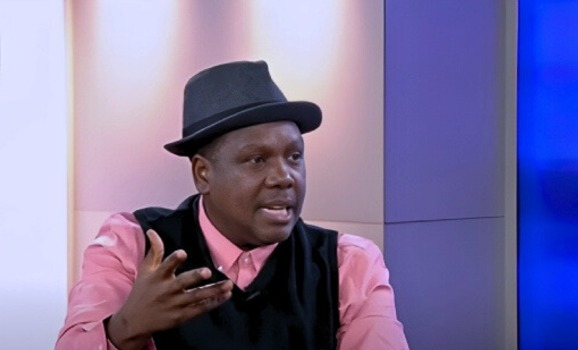
Nigeria’s ability to hold credible general elections in 2027 will depend on first establishing security across the country, a senior political figure has said.
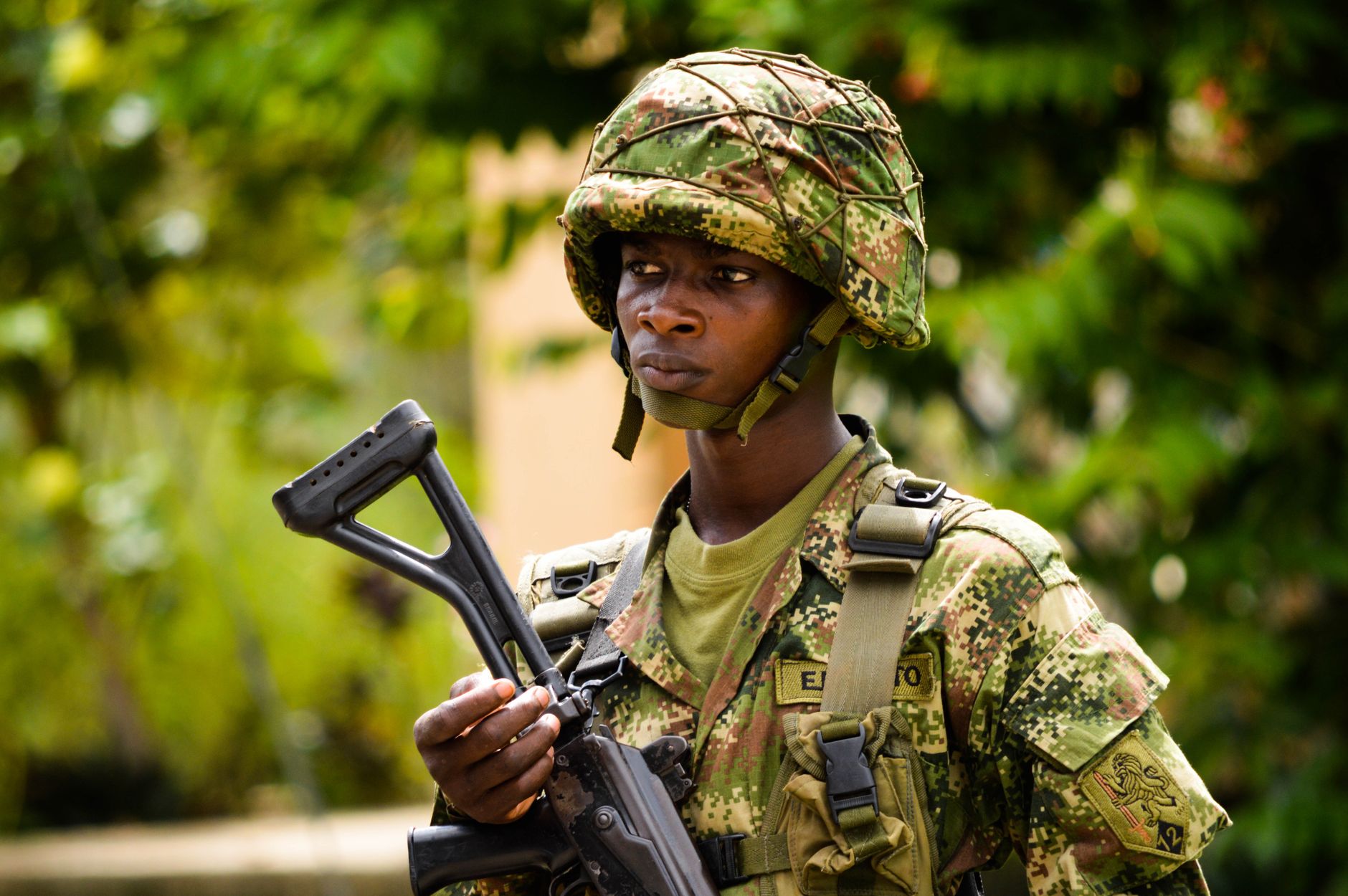
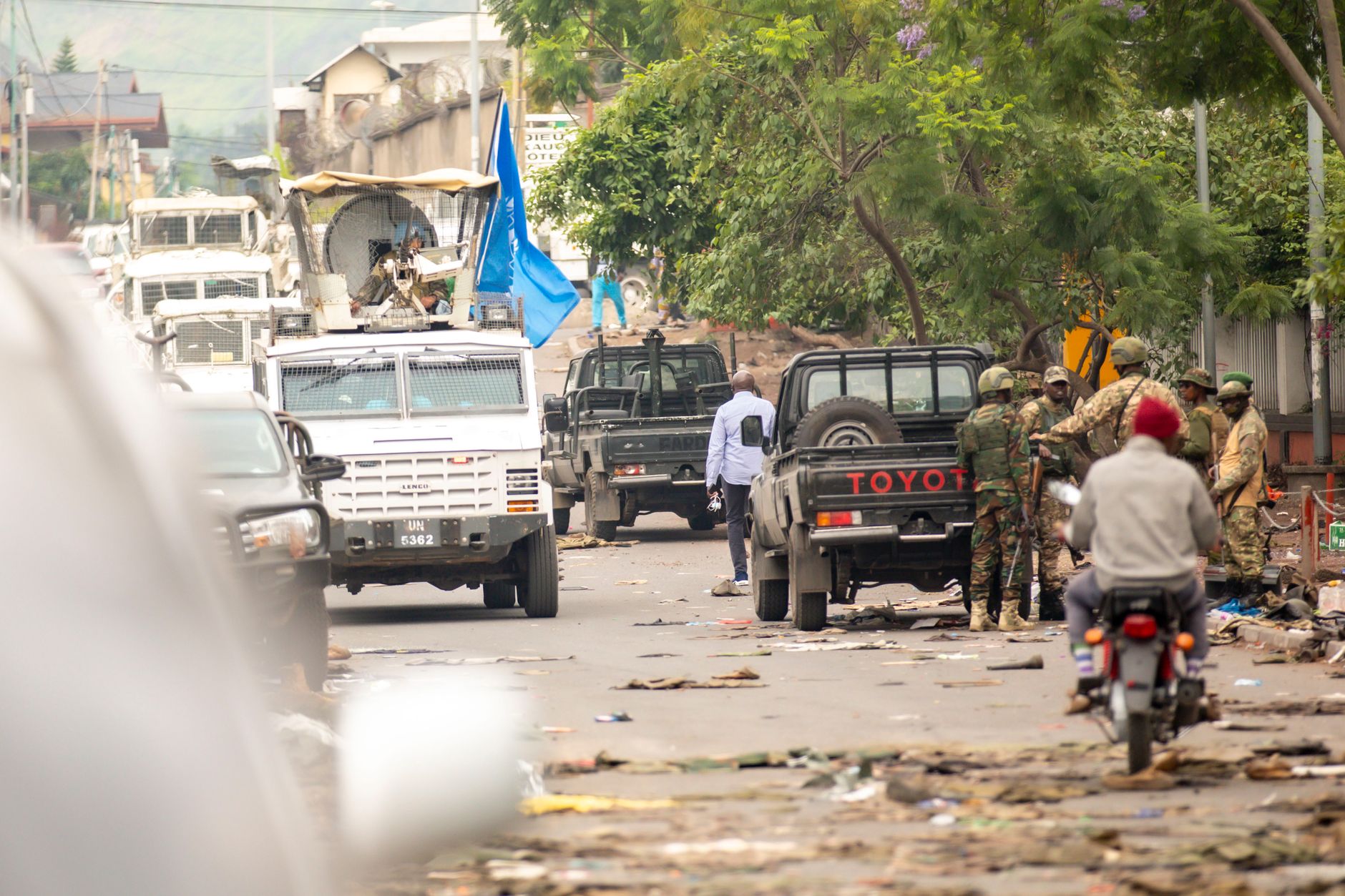
The assessment comes as the West African nation continues to grapple with multiple security challenges, including insurgencies, banditry and communal violence, that have affected large parts of its territory for years. These persistent threats have raised questions about the feasibility of conducting nationwide polls without first addressing the underlying instability.
Political activity for the next electoral cycle has effectively been sidelined by the scale of the current crisis, according to the commentator. The focus, he suggested, must shift toward restoring safety before any meaningful campaign can begin.
Nigeria operates a presidential system with elections normally held every four years. The 2023 general elections brought President Bola Tinubu to power under the ruling All Progressives Congress. The next polls are constitutionally due in 2027.
Nigeria’s ability to hold credible general elections in 2027 will depend on first establishing security across the country, a senior political figure has said.
The country’s security situation has been a recurring concern for both domestic and international observers. Large areas in the northeast remain affected by the long-running Boko Haram insurgency and its splinter groups, while north-western and central regions face armed banditry and farmer-herder clashes that have displaced millions and disrupted economic activity.
Observers note that electoral processes in Nigeria have historically been vulnerable to violence and logistical disruptions in insecure areas. Successful conduct of the 2027 vote would likely require improved control over these zones, better protection for voters and candidates, and restored confidence in state institutions.
The remarks reflect a broader debate within Nigerian political circles about priorities in the remaining years of the current administration. While economic reforms and anti-corruption efforts continue, many argue that none of these can be fully realised without first tackling the security deficit that affects daily life for millions of citizens.
Based on reporting by Vanguard Nigeria.
ستعتمد قدرة نيجيريا على إجراء انتخابات عامة ذات مصداقية في عام 2027 على تحقيق الأمن أولاً في جميع أنحاء البلاد، حسبما قال شخصية سياسية بارزة.
يأتي هذا التقييم في وقت تواصل فيه الدولة الواقعة في غرب أفريقيا مواجهة تحديات أمنية متعددة، بما في ذلك التمردات والعصابات والعنف الطائفي، التي أثرت على أجزاء كبيرة من أراضيها لسنوات. أثارت هذه التهديدات المستمرة تساؤلات حول جدوى إجراء انتخابات على مستوى البلاد دون معالجة الاضطراب الأساسي أولاً.
تم تهميش النشاط السياسي للدورة الانتخابية المقبلة فعلياً بسبب حجم الأزمة الحالية، وفقاً للمعلق. واقترح أن يتحول التركيز نحو استعادة السلامة قبل أن يبدأ أي حملة ذات معنى.
تعمل نيجيريا بنظام رئاسي تجرى فيه الانتخابات عادة كل أربع سنوات. أجرت الانتخابات العامة لعام 2023 الرئيس Bola Tinubu إلى السلطة تحت حزب المؤتمر التقدمي الشامل الحاكم. من المقرر إجراء الاقتراع التالي دستورياً في عام 2027.
كانت الحالة الأمنية في البلاد مصدر قلق متكرر لكل من المراقبين المحليين والدوليين. لا تزال مناطق واسعة في الشمال الشرقي متأثرة بالتمرد الطويل الأمد لحركة بوكو حرام وفصائلها، بينما تواجه مناطق شمال غرب ووسط البلاد عصابات مسلحة واشتباكات بين المزارعين والرعاة أدت إلى نزوح الملايين وتعطيل النشاط الاقتصادي.
يلاحظ المراقبون أن العمليات الانتخابية في نيجيريا كانت عرضة تاريخياً للعنف والاضطرابات اللوجستية في المناطق غير الآمنة. من المرجح أن يتطلب إجراء الاقتراع بنجاح في عام 2027 سيطرة محسنة على هذه المناطق وحماية أفضل للناخبين والمرشحين واستعادة الثقة في المؤسسات الحكومية.
تعكس التصريحات نقاشاً أوسع داخل الأوساط السياسية النيجيرية حول الأولويات في السنوات المتبقية من الإدارة الحالية. وبينما تستمر الإصلاحات الاقتصادية وجهود مكافحة الفساد، يرى الكثيرون أن أياً من هذه لا يمكن تحقيقه بشكل كامل دون معالجة العجز الأمني الذي يؤثر على الحياة اليومية لملايين المواطنين.