
Ugandan Judge Faces Misconceptions Over ICJ Dissent
Justice Julia Sebutinde's separate opinion in an International Court of Justice case has been widely misinterpreted in Ugandan and international media coverage, according to a commentator writing in The Independent UG.
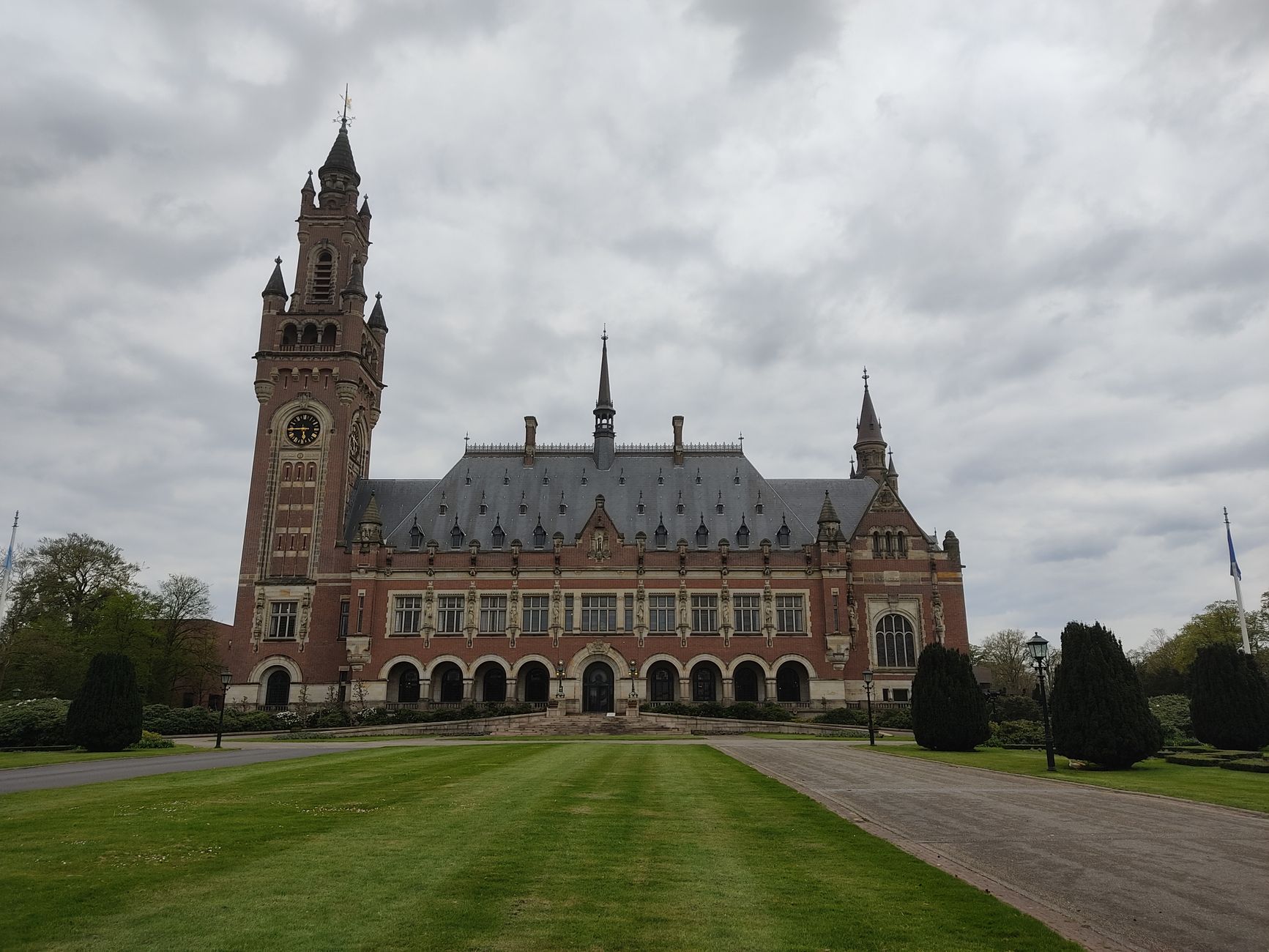
A legal commentator has sought to correct what he describes as widespread misunderstandings about a dissenting opinion delivered by Ugandan judge Justice Julia Sebutinde at the International Court of Justice.
The opinion, issued as part of a case before the world court, has been subject to criticism in both traditional media and online commentary in Uganda. Many reports have framed the dissent as an error or as running contrary to the interests of certain parties in the dispute.
The commentator, writing in The Independent UG in February 2024, argued that the coverage reflected a basic misconception of both the ICJ's overall ruling and the precise nature of Justice Sebutinde's position. He noted that public discussion often simplified the dissent into a binary choice of right or wrong rather than engaging with its legal reasoning.
Uganda has maintained a long-standing relationship with the International Court of Justice, which is the principal judicial organ of the United Nations. The court settles legal disputes between states and issues advisory opinions on international legal questions. Judges at the ICJ, including those elected from specific world regions, are expected to apply international law independently.
A legal commentator has sought to correct what he describes as widespread misunderstandings about a dissenting opinion delivered by Ugandan judge Justice Julia Sebutinde at the International Court of Justice.
Justice Sebutinde has served as a judge of the ICJ since 2012, having previously worked in Uganda's judiciary. Her dissenting opinion formed part of a larger judgment in which the majority of the bench reached a different conclusion on at least some of the legal questions before the court.
The commentator stressed that dissenting opinions are a standard and legitimate feature of judicial decision-making at the ICJ. They allow individual judges to set out their distinct legal analysis without undermining the authority of the court's final ruling.
Public debate in Uganda around the case has sometimes mixed legal arguments with broader political considerations. The author called for a more careful reading of both the majority decision and the separate opinion to appreciate the nuances involved.
The article did not identify the specific case in which the opinion was delivered. However, the discussion reflects recurring interest in Uganda about how its nationals perform on prominent international bodies and how their contributions are received at home.
Based on reporting by The Independent UG.
سعى معلق قانوني إلى تصحيح ما وصفه بأنه سوء فهم واسع النطاق بشأن الرأي المخالف الذي أصدرته القاضية الأوغندية جوليا سيبوتيندي في محكمة العدل الدولية.
صدر هذا الرأي كجزء من قضية أمام محكمة العالم، وقد تعرض لانتقادات في كل من وسائل الإعلام التقليدية والتعليقات عبر الإنترنت في أوغندا. لخصت العديد من التقارير الرأي المخالف على أنه خطأ أو أنه يتعارض مع مصالح أطراف معينة في النزاع.
أكد المعلق، الذي كتب في صحيفة The Independent UG في فبراير 2024، أن التغطية تعكس سوء فهم أساسي لكل من الحكم العام لمحكمة العدل الدولية وطبيعة موقف القاضية سيبوتيندي بدقة. وأشار إلى أن النقاش العام غالبا ما يبسط الرأي المخالف إلى خيار ثنائي من الصواب أو الخطأ بدلا من التعامل مع حججه القانونية.
تحافظ أوغندا على علاقة طويلة الأمد مع محكمة العدل الدولية، التي تعد الجهاز القضائي الرئيسي للأمم المتحدة. تسوي المحكمة النزاعات القانونية بين الدول وتصدر آراء استشارية حول المسائل القانونية الدولية. ومن المتوقع أن يطبق قضاة محكمة العدل الدولية، بما في ذلك أولئك المنتخبون من مناطق محددة في العالم، القانون الدولي بشكل مستقل.
تعمل القاضية سيبوتيندي قاضية في محكمة العدل الدولية منذ عام 2012، بعد أن عملت سابقا في السلطة القضائية الأوغندية. شكل رأيها المخالف جزءا من حكم أكبر توصل فيه أغلبية أعضاء الهيئة إلى استنتاج مختلف بشأن بعض المسائل القانونية المطروحة أمام المحكمة على الأقل.
شدد المعلق على أن الآراء المخالفة تعد سمة قياسية ومشروعة في عملية صنع القرار القضائي في محكمة العدل الدولية. فهي تسمح للقضاة الأفراد بتوضيح تحليلهم القانوني المتميز دون تقويض سلطة الحكم النهائي للمحكمة.
اختلط النقاش العام في أوغندا حول القضية أحيانا بين الحجج القانونية والاعتبارات السياسية الأوسع. دعا الكاتب إلى قراءة أكثر دقة لكل من القرار الأغلبي والرأي المنفصل لتقدير الجوانب الدقيقة المعنية.
لم يحدد المقال القضية المحددة التي صدر فيها الرأي. ومع ذلك، يعكس النقاش الاهتمام المتكرر في أوغندا بكيفية أداء مواطنيها في الهيئات الدولية البارزة وكيفية استقبال مساهماتهم في الداخل.


