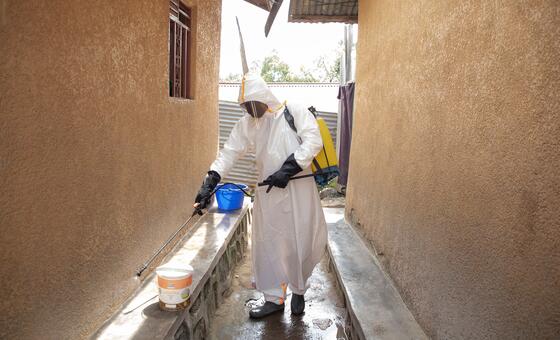
UNICEF warns of rapid cholera spread across West and Central Africa
The United Nations children's agency reports that active outbreaks are currently impacting six different countries, placing millions of children at significant risk of contracting the waterborne disease.
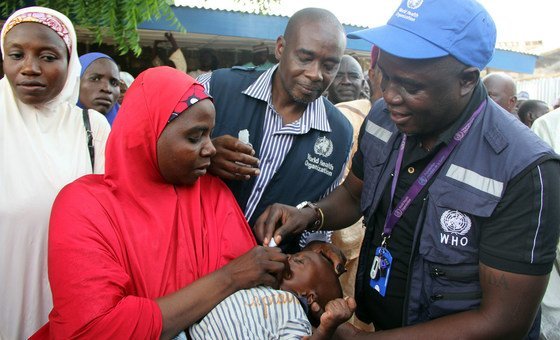
Cholera is spreading rapidly across borders in West and Central Africa, according to a report from the United Nations children’s agency, UNICEF. The agency has identified active outbreaks in six countries within the region, highlighting a deteriorating public health situation that threatens the lives of millions of children.
The current surge in cases demonstrates the transboundary nature of the disease, which thrives in areas with inadequate access to clean water and sanitation. According to UN News Africa, the rapid transmission across national lines has prompted urgent warnings from health officials regarding the vulnerability of young populations who lack immunity and resources.
Health infrastructure in the affected countries is under increasing pressure as they attempt to contain the spread. UNICEF identifies children as the group at the highest risk, as they are more susceptible to severe dehydration caused by the infection. The agency emphasizes that the scale of the current outbreaks requires immediate attention to prevent further loss of life.
Cholera is spreading rapidly across borders in West and Central Africa, according to a report from the United Nations children’s agency, UNICEF.
Cholera is an acute diarrheal infection caused by ingestion of contaminated food or water. While preventable and treatable, the speed at which it is currently moving through West and Central Africa suggests significant gaps in regional health security. The agency's data indicates that the number of children in harm's way continues to grow as the bacteria reaches new communities.
International coordination remains a critical factor in managing the crisis. Because the outbreaks are active in multiple neighboring states simultaneously, UNICEF suggests that localized responses must be paired with broader regional strategies to address the movement of the disease across borders.
Based on reporting by UN News Africa.
تنتشر الكوليرا بسرعة عبر الحدود في غرب ووسط أفريقيا، وفقاً لتقرير صادر عن منظمة الأمم المتحدة للطفولة (اليونيسف). وحددت المنظمة تفشياً نشطاً للمرض في ست دول داخل المنطقة، مما يسلط الضوء على تدهور الوضع الصحي العام الذي يهدد حياة ملايين الأطفال.
ويظهر الارتفاع الحالي في الحالات الطبيعة العابرة للحدود لهذا المرض، الذي يزدهر في المناطق التي تفتقر إلى الوصول الكافي إلى المياه النظيفة والصرف الصحي. ووفقاً لأنباء الأمم المتحدة أفريقيا، فإن الانتقال السريع عبر الحدود الوطنية دفع المسؤولين الصحيين إلى إطلاق تحذيرات عاجلة بشأن ضعف الفئات الشابة التي تفتقر إلى المناعة والموارد.
وتتعرض البنية التحتية الصحية في البلدان المتضررة لضغوط متزايدة مع محاولتها احتواء الانتشار. وتصنف اليونيسف الأطفال على أنهم الفئة الأكثر عرضة للخطر، حيث أنهم أكثر عرضة للجفاف الشديد الناجم عن العدوى. وتؤكد المنظمة أن حجم التفشي الحالي يتطلب اهتماماً فورياً لمنع وقوع المزيد من الخسائر في الأرواح.
والكوليرا هي عدوى معوية حادة تنجم عن تناول طعام أو مياه ملوثة. وبينما يمكن الوقاية منها وعلاجها، فإن السرعة التي تتحرك بها حالياً عبر غرب ووسط أفريقيا تشير إلى وجود فجوات كبيرة في الأمن الصحي الإقليمي. وتشير بيانات المنظمة إلى أن عدد الأطفال المعرضين للخطر مستمر في النمو مع وصول البكتيريا إلى مجتمعات جديدة.
ويظل التنسيق الدولي عاملاً حاسماً في إدارة الأزمة. ونظراً لأن حالات التفشي نشطة في عدة دول متجاورة في وقت واحد، تشير اليونيسف إلى أن الاستجابات المحلية يجب أن تقترن باستراتيجيات إقليمية أوسع لمعالجة انتقال المرض عبر الحدود.