US Funding Freeze Threatens Uganda Health Research
A suspension of nearly one billion dollars in American assistance has placed multiple Ugandan health initiatives and scientific projects in jeopardy, including malaria immunisation and HIV care.
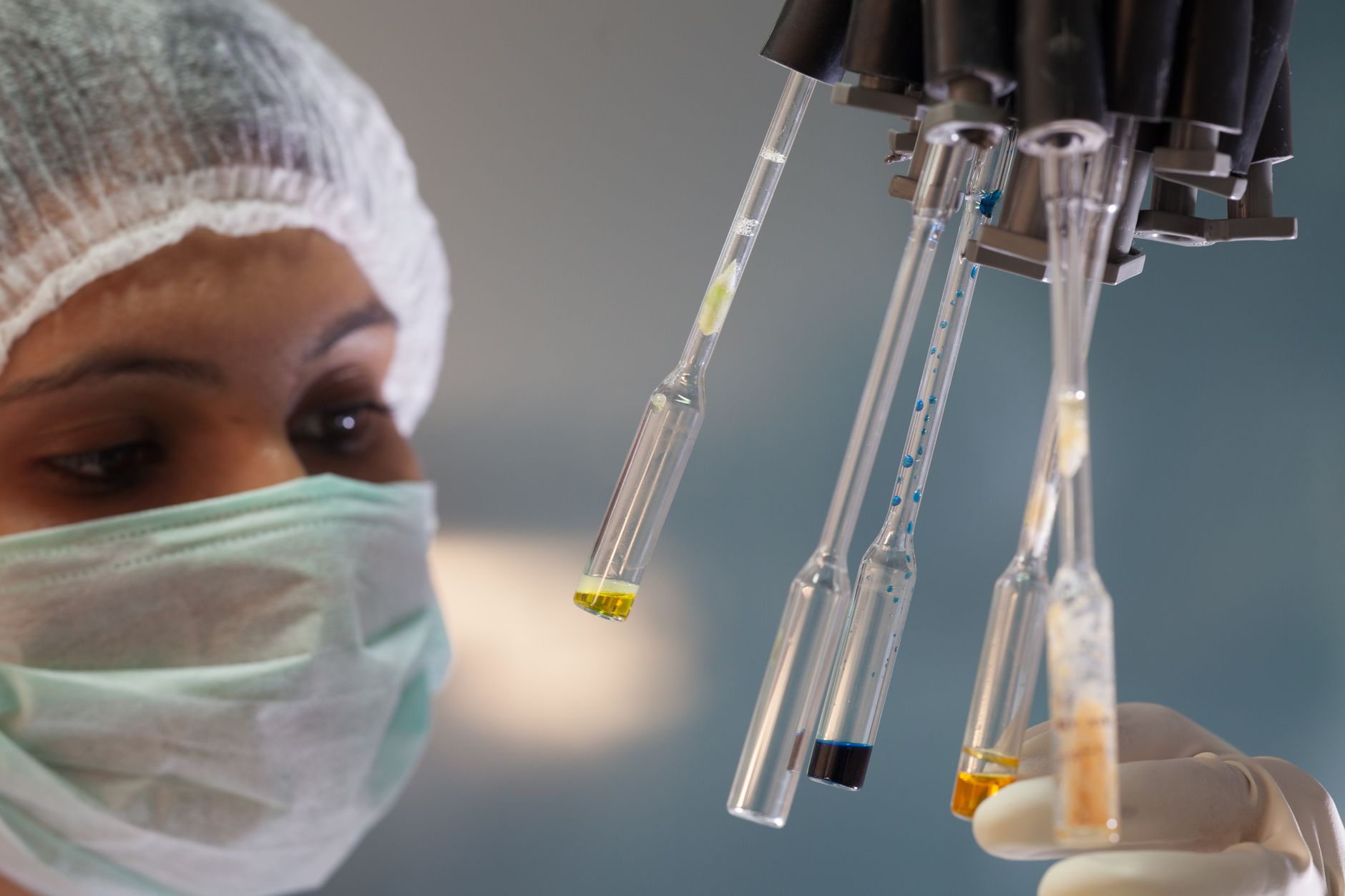
Uganda is facing serious disruptions to its health services and scientific research following the suspension of substantial United States overseas aid, according to The Independent UG.
The funding freeze, amounting to 950 million dollars, has directly affected programmes that deliver malaria vaccination and provide treatment for HIV. These initiatives form part of a wider portfolio of health projects now at risk across the east African nation.
Makerere University Kampala, recognised as one of the country’s foremost research centres, has already been forced to reduce its workforce in response to the shortfall. The university’s scientific programmes, which rely heavily on international grants, have encountered immediate operational challenges.
Uganda depends significantly on external partners to sustain its public health infrastructure. Many of its key medical interventions, particularly those targeting infectious diseases that remain prevalent in the region, have been supported by American assistance for years.
Uganda is facing serious disruptions to its health services and scientific research following the suspension of substantial United States overseas aid, according to The Independent UG.
The suspension has created uncertainty for both ongoing clinical activities and longer-term studies. Research institutions are struggling to maintain staff and equipment necessary to continue their work at previous levels.
Health officials and scientists in Uganda are now assessing the full extent of the impact. The situation highlights the country’s vulnerability to shifts in global development funding, especially in critical areas such as epidemic control and biomedical innovation.
As the effects continue to unfold, the loss of this support risks reversing gains made in recent years against major diseases. Ugandan authorities are examining alternative funding sources, though replacing such a large contribution presents considerable difficulties.
Based on reporting by The Independent UG.
تواجه أوغندا اضطرابات خطيرة في خدماتها الصحية والبحوث العلمية بعد تعليق مساعدات أمريكية خارجية كبيرة، وفقاً لصحيفة The Independent UG.
أدى تجميد التمويل البالغ 950 مليون دولار إلى التأثير مباشرة على برامج تقدم لقاحات الملاريا وعلاج فيروس نقص المناعة البشرية. تشكل هذه المبادرات جزءاً من محفظة أوسع من المشاريع الصحية المعرضة للخطر الآن في جميع أنحاء البلد الواقع في شرق أفريقيا.
جامعة ماكيريري في كامبالا، التي تعتبر من أبرز مراكز البحث في البلاد، اضطرت بالفعل إلى تقليص قوتها العاملة استجابة للعجز. واجهت البرامج العلمية بالجامعة، التي تعتمد بشدة على المنح الدولية، تحديات تشغيلية فورية.
تعتمد أوغندا بشكل كبير على الشركاء الخارجيين للحفاظ على بنيتها التحتية الصحية العامة. لقد دعمت المساعدة الأمريكية العديد من التدخلات الطبية الرئيسية، خاصة تلك المستهدفة للأمراض المعدية التي لا تزال منتشرة في المنطقة، على مدى سنوات.
أوجد التعليق حالة من عدم اليقين لكل من الأنشطة السريرية الجارية والدراسات طويلة الأجل. تكافح المؤسسات البحثية للحفاظ على الموظفين والمعدات اللازمة لمواصلة عملها بالمستويات السابقة.
يقوم مسؤولو الصحة والعلماء في أوغندا الآن بتقييم المدى الكامل للتأثير. يبرز الوضع هشاشة البلاد أمام التغييرات في تمويل التنمية العالمية، خاصة في المجالات الحرجة مثل مكافحة الأوبئة والابتكار الطبي الحيوي.
مع استمرار ظهور التأثيرات، يهدد فقدان هذه المساعدة بعكس المكاسب التي تحققت في السنوات الأخيرة ضد الأمراض الكبرى. تقوم السلطات الأوغندية بفحص مصادر تمويل بديلة، على الرغم من أن استبدال مثل هذه المساهمة الكبيرة يمثل صعوبات كبيرة.