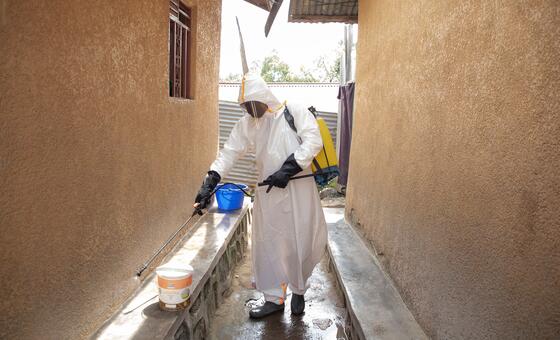
Venezuelan earthquake deepens food insecurity for thousands of displaced families
The recent seismic activity in Venezuela has exacerbated existing humanitarian needs by destroying homes and disrupting income sources for vulnerable populations across the country.
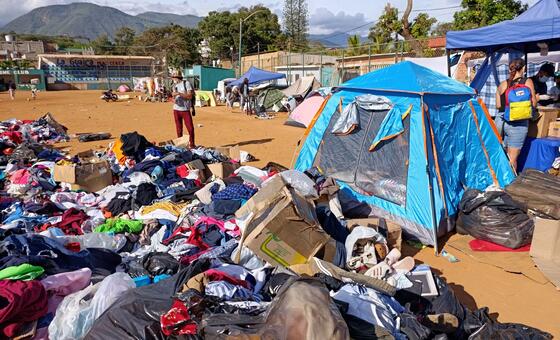
A series of deadly earthquakes in Venezuela has significantly worsened the humanitarian situation for thousands of families already struggling with economic hardship. According to UN News Economy, the seismic events have destroyed residential structures and severed access to regular food supplies for a growing number of citizens.
The impact of the tremors has created a dual crisis of displacement and hunger. Families who were previously reliant on social support programs have seen their situations deteriorate as infrastructure damage interrupts the distribution of essential goods. For many, the loss of their homes has been compounded by a total loss of income, leaving them without the financial means to procure basic necessities in the aftermath of the disaster.
Impact on Vulnerable Populations
Before the earthquakes struck, a significant portion of the population was already identified as needing humanitarian assistance. The disaster has pushed these groups into deeper precarity while simultaneously creating a new class of vulnerable people who have lost their livelihoods. The disruption of local markets and transport routes has made food increasingly scarce in the hardest-hit regions.
The impact of the tremors has created a dual crisis of displacement and hunger.
International monitoring indicates that the lack of regular access to nutrition is now a primary concern for relief efforts. As families remain without permanent shelter, the challenge of maintaining food security becomes more complex. The destruction of physical property has not only left thousands homeless but has also dismantled the domestic environments necessary for food storage and preparation, further heightening the risk of malnutrition among those affected by the quakes.
Based on reporting by UN News Economy.
أدت سلسلة من الزلازل المميتة في فنزويلا إلى تفاقم الوضع الإنساني بشكل كبير لآلاف العائلات التي تعاني بالفعل من صعوبات اقتصادية. ووفقاً لـ "أخبار الأمم المتحدة للاقتصاد"، دمرت الهزات الأرضية المباني السكنية وقطعت سبل الوصول إلى الإمدادات الغذائية المنتظمة لعدد متزايد من المواطنين.
لقد أحدث تأثير الهزات أزمة مزدوجة تتمثل في النزوح والجوع. فالعائلات التي كانت تعتمد سابقاً على برامج الدعم الاجتماعي شهدت تدهوراً في أوضاعها مع تسبب أضرار البنية التحتية في انقطاع توزيع السلع الأساسية. وبالنسبة للكثيرين، اقترن فقدان منازلهم بفقدان كامل للدخل، مما تركهم دون الوسائل المالية لتأمين الاحتياجات الأساسية في أعقاب الكارثة.
التأثير على الفئات الضعيفة
قبل وقوع الزلازل، كان قطاع كبير من السكان مصنفاً بالفعل كفئات تحتاج إلى مساعدة إنسانية. وقد دفعت الكارثة هذه المجموعات إلى حالة أكبر من عدم الاستقرار، بينما خلقت في الوقت نفسه طبقة جديدة من المتضررين الذين فقدوا سبل عيشهم. كما أدى تعطل الأسواق المحلية وطرق النقل إلى جعل الغذاء نادراً بشكل متزايد في المناطق الأكثر تضرراً.
وتشير التقارير الدولية إلى أن عدم الوصول المنتظم إلى الغذاء يمثل الآن مصدر قلق رئيسي لجهود الإغاثة. ومع بقاء العائلات دون مأوى دائم، يصبح تحدي الحفاظ على الأمن الغذائي أكثر تعقيداً. إن تدمير الممتلكات المادية لم يترك الآلاف بلا مأوى فحسب، بل أدى أيضاً إلى تفكيك البيئات المنزلية اللازمة لتخزين وإعداد الطعام، مما يزيد من مخاطر سوء التغذية بين المتضررين من الزلازل.