World Health Organisation Urges Intensified Response as Congo Ebola Cases Rise
The seventeenth Ebola outbreak in the Democratic Republic of the Congo has recorded nearly 4,000 infections and over 1,700 deaths since the health crisis began in mid-May.

The World Health Organisation (WHO) has called for an intensified medical response in the Democratic Republic of the Congo as the country faces its seventeenth Ebola outbreak. According to France24 Africa, the number of confirmed infections is currently approaching 4,000, reflecting a rapid spread of the virus across several provinces.
Since the outbreak was officially declared in mid-May, the death toll has risen to more than 1,700 people. This high mortality rate highlights the severity of the current health crisis and the challenges facing local and international health authorities in containing the transmission within the Central African nation.
Medical Mobilisation
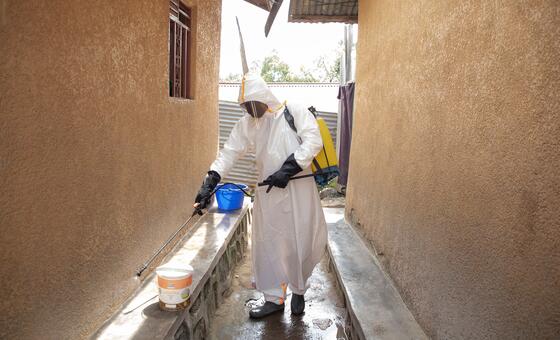
In response to the escalating figures, medical teams have been deployed to the Democratic Republic of the Congo. These teams are working to establish and manage specialised treatment centres in the provinces most affected by the virus. These facilities are critical for isolating patients and providing supportive care, which is essential for improving survival rates during an outbreak.
Since the outbreak was officially declared in mid-May, the death toll has risen to more than 1,700 people.
Parallel to these emergency measures, efforts are underway to find a long-term solution to the recurring threat of Ebola. Clinical trials are ongoing to identify an effective vaccine that could prevent future infections and mitigate the impact of the disease on the population.
Regional Context
This seventeenth outbreak underscores the persistent vulnerability of the region to the Ebola virus. The Democratic Republic of the Congo has a long history with the disease, and each occurrence necessitates a significant coordination of resources. The current call from the WHO emphasizes the need for a more robust intervention to prevent the virus from spreading further both within the country and potentially across its borders.
Based on reporting by France24 Africa.
دعت منظمة الصحة العالمية إلى تكثيف الاستجابة الطبية في جمهورية الكونغو الديمقراطية في وقت تواجه فيه البلاد تفشيها السابع عشر لمرض الإيبولا. وبحسب قناة فرانس 24 أفريقيا، فإن عدد الإصابات المؤكدة يقترب حالياً من 4000 حالة، مما يعكس انتشاراً سريعاً للفيروس عبر عدة مقاطعات.
منذ إعلان تفشي المرض رسمياً في منتصف مايو، ارتفعت حصيلة الوفيات إلى أكثر من 1700 شخص. ويسلط معدل الوفيات المرتفع هذا الضوء على خطورة الأزمة الصحية الحالية والتحديات التي تواجه السلطات الصحية المحلية والدولية في احتواء انتقال العدوى داخل الدولة الواقعة في وسط أفريقيا.
التعبئة الطبية
استجابة للأرقام المتصاعدة، تم نشر فرق طبية في جمهورية الكونغو الديمقراطية. وتعمل هذه الفرق على إنشاء وإدارة مراكز علاج متخصصة في المقاطعات الأكثر تضرراً من الفيروس. وتعد هذه المرافق حاسمة لعزل المرضى وتقديم الرعاية الداعمة، وهو أمر ضروري لتحسين معدلات البقاء على قيد الحياة أثناء تفشي المرض.
وبالتوازي مع هذه الإجراءات الطارئة، تُبذل جهود لإيجاد حل طويل الأمد للتهديد المتكرر للإيبولا. وتستمر التجارب السريرية لتحديد لقاح فعال يمكن أن يمنع الإصابات المستقبيلة ويخفف من تأثير المرض على السكان.
السياق الإقليمي
يؤكد هذا التفشي السابع عشر على الضعف المستمر للمنطقة أمام فيروس الإيبولا. تمتلك جمهورية الكونغو الديمقراطية تاريخاً طويلاً مع المرض، وتتطلب كل حالة ظهور تنسيقاً كبيراً للموارد. وتشدد دعوة منظمة الصحة العالمية الحالية على الحاجة إلى تدخل أكثر قوة لمنع الفيروس من الانتشار بشكل أكبر داخل البلاد وربما عبر حدودها.