African Development Financing Framework Shifts from Western Conditions toward Chinese Partnerships
The historical dominance of Western-led development models in Africa is facing a transformation as alternative financing options reduce the influence of policy conditionalities once mandated by Washington.
The traditional architecture of African development, long defined by partnerships with Western institutions, is undergoing a significant transition as the continent accesses new sources of large-scale financing. For decades following the decolonisation era, the terms of economic growth and infrastructure development across Africa were largely dictated by frameworks established in Western capitals, particularly Washington and Brussels. This shift marks a departure from a period where external aid was frequently tied to specific governance and institutional mandates.
During the late 1990s and early 2000s, this Western-facing structure was characterized by strict policy conditionality. Under these arrangements, rotating credit agreements were often contingent upon the implementation of specific governance agendas and comprehensive institutional reforms. These requirements were designed by Western creditors to reshape the domestic policies of borrowing nations as a prerequisite for financial support.
According to African Arguments, the persistence of this model rested on a fundamental economic reality: countries in the Global South possessed few alternatives for securing the substantial capital required for national development projects. Without competing sources of investment, African nations were largely obligated to accept the reform terms set by Western-led financial institutions to maintain liquidity and fund public works.
This shift marks a departure from a period where external aid was frequently tied to specific governance and institutional mandates.
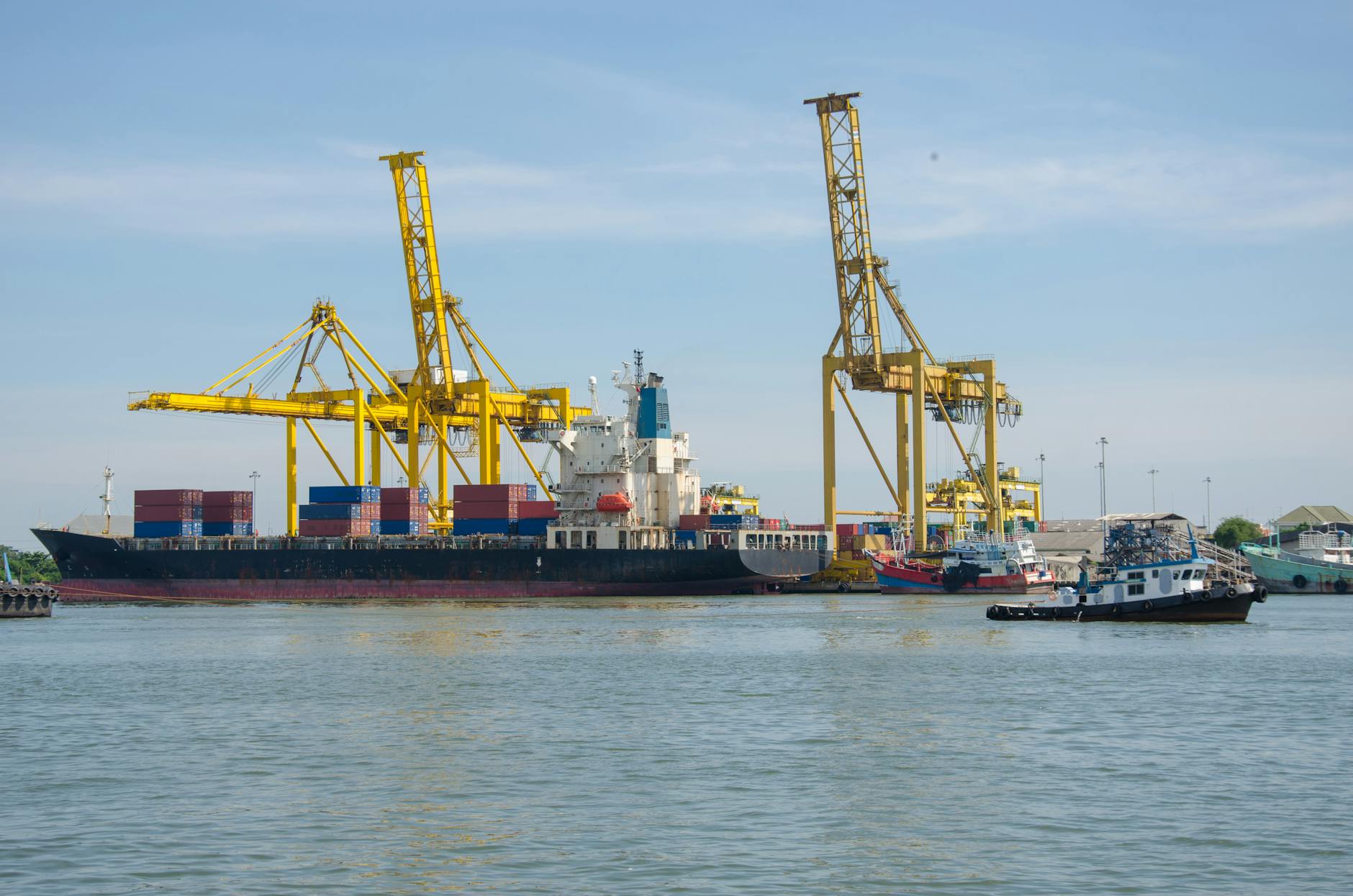
The emergence of Beijing as a major developmental partner has altered this dynamic, providing African governments with a choice of creditors. This diversification of funding sources has weakened the leverage of the traditional 'Washington Consensus' model. As a result, the development terms for the continent are no longer exclusively written in the West, allowing for a landscape where policy conditionalities are no longer the sole pathway to institutional credit. This evolution reflects a broader change in how African states negotiate their economic sovereignty in a multipolar global financial system.
Based on reporting by AllAfrica.
يشهد الهيكل التقليدي للتنمية الأفريقية، الذي حددته لفترة طويلة الشراكات مع المؤسسات الغربية، تحولاً كبيراً مع وصول القارة إلى مصادر جديدة للتمويل واسع النطاق. فعلى مدى عقود تلت عصر إنهاء الاستعمار، كانت شروط النمو الاقتصادي وتطوير البنية التحتية في جميع أنحاء أفريقيا تمليها إلى حد كبير أطر عمل وضعت في العواصم الغربية، ولا سيما واشنطن وبروكسل. ويمثل هذا التحول ابتعاداً عن فترة كانت فيها المساعدات الخارجية مرتبطة في كثير من الأحيان بتفويضات محددة تتعلق بالحوكمة والمؤسسات.
وخلال أواخر التسعينيات وأوائل العقد الأول من القرن الحادي والعشرين، تميز هذا الهيكل المتجه نحو الغرب بـ "مشروطية السياسات" الصارمة. وبموجب هذه الترتيبات، كانت اتفاقيات الائتمان المتجددة تتوقف غالباً على تنفيذ أجندات حوكمة محددة وإصلاحات مؤسسية شاملة. وقد صمم الدائنون الغربيون هذه المتطلبات لإعادة تشكيل السياسات المحلية للدول المقترضة كشرط مسبق للحصول على الدعم المالي.
ووفقاً لـ "أفريكان أرغومنتس" (African Arguments)، فإن استمرار هذا النموذج استند إلى واقع اقتصادي أساسي: وهو أن دول الجنوب العالمي لم تكن تمتلك سوى بدائل قليلة لتأمين رأس المال الكبير المطلوب لمشاريع التنمية الوطنية. ومن دون وجود مصادر استثمار منافسة، كانت الدول الأفريقية ملزمة إلى حد كبير بقبول شروط الإصلاح التي وضعتها المؤسسات المالية التي يقودها الغرب للحفاظ على السيولة وتمويل الأشغال العامة.
إن ظهور بكين كشريك تنموي رئيسي قد غير هذه الديناميكية، حيث زود الحكومات الأفريقية بخيارات متعددة من الدائنين. وقد أدى تنويع مصادر التمويل هذا إلى إضعاف نفوذ نموذج "إجماع واشنطن" التقليدي. ونتيجة لذلك، لم تعد شروط التنمية في القارة تُكتب حصرياً في الغرب، مما سمح بظهور مشهد لم تعد فيه مشروطية السياسات هي المسار الوحيد للحصول على الائتمان المؤسسي. ويعكس هذا التطور تغيراً أوسع في كيفية تفاوض الدول الأفريقية على سيادتها الاقتصادية في نظام مالي عالمي متعدد الأقطاب.