Artificial Intelligence Enhances Food Distribution Efforts Across Somalia
The United Nations is deploying artificial intelligence technology to improve aid delivery as Somalia continues to face a worsening hunger crisis affecting millions of citizens.
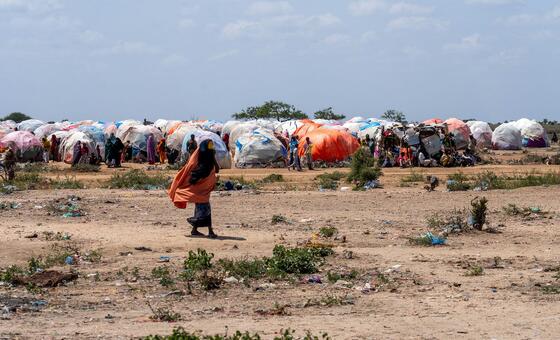
The United Nations has begun utilizing artificial intelligence to optimize the delivery of humanitarian assistance to families in Somalia. This technological shift comes as the country grapples with a deepening hunger crisis that has placed a significant portion of the population at risk of severe food insecurity.
According to UN News Africa, the integration of AI tools is designed to ensure that limited resources reach the most vulnerable populations with greater precision. The system analyzes complex data to identify the areas of most urgent need, streamlining the logistics of aid distribution in a region where infrastructure challenges often hinder humanitarian efforts.
Addressing the Hunger Crisis
The humanitarian situation in Somalia has reached a critical point, necessitating more efficient methods of intervention. Traditional aid delivery models are being supplemented by these new technologies to keep pace with the scale of the emergency. By leveraging AI, humanitarian agencies aim to reduce delays and ensure that food supplies are allocated based on real-time requirements.
The United Nations has begun utilizing artificial intelligence to optimize the delivery of humanitarian assistance to families in Somalia.
The deployment of this technology represents a significant change in how international organizations manage crisis response in East Africa. While the primary focus remains on the immediate provision of food, the use of AI provides a data-driven framework to monitor the effectiveness of these interventions and adjust strategies as the local situation evolves.
As the hunger crisis persists, the UN's adoption of advanced technology highlights the growing reliance on digital solutions to solve logistical hurdles in conflict-prone or environmentally stressed zones. The success of this initiative in Somalia could serve as a model for future humanitarian operations across the continent where food security remains a primary concern for international observers.
Based on reporting by UN News Africa.
بدأت الأمم المتحدة في استخدام تقنيات الذاء الاصطناعي لتحسين تقديم المساعدات الإنسانية للأسر في الصومال. يأتي هذا التحول التكنولوجي في وقت تعاني فيه البلاد من أزمة جوع متفاقمة وضعت جزءاً كبيراً من السكان في خطر انعدام الأمن الغذائي الشديد.
ووفقاً لـ "أخبار الأمم المتحدة أفريقيا"، تم تصميم دمج أدوات الذكاء الاصطناعي لضمان وصول الموارد المحدودة إلى الفئات الأكثر احتياجاً بدقة أكبر. يقوم النظام بتحليل بيانات معقدة لتحديد المناطق ذات الاحتياجات الأكثر إلحاحاً، مما يسهل الخدمات اللوجستية لتوزيع المساعدات في منطقة غالباً ما تعيق فيها تحديات البنية التحتية الجهود الإنسانية.
معالجة أزمة الجوع
وصل الوضع الإنساني في الصومال إلى نقطة حرجة، مما استدعى وجود أساليب أكثر كفاءة للتدخل. ويتم حالياً استكمال نماذج تقديم المساعدات التقليدية بهذه التقنيات الجديدة لمواكبة حجم حالة الطوارئ. ومن خلال الاستفادة من الذكاء الاصطناعي، تهدف الوكالات الإنسانية إلى تقليل التأخير وضمان تخصيص الإمدادات الغذائية بناءً على المتطلبات اللحظية.
يمثل نشر هذه التكنولوجيا تغييراً كبيراً في كيفية إدارة المنظمات الدولية للاستجابة للأزمات في شرق أفريقيا. وبينما يظل التركيز الأساسي على التوفير الفوري للغذاء، فإن استخدام الذكاء الاصطناعي يوفر إطاراً قائماً على البيانات لمراقبة فعالية هذه التدخلات وتعديل الاستراتيجيات مع تطور الوضع المحلي.
مع استمرار أزمة الجوع، يسلط اعتماد الأمم المتحدة للتكنولوجيا المتقدمة الضوء على الاعتماد المتزايد على الحلول الرقمية لحل العقبات اللوجستية في المناطق المعرضة للنزاعات أو الضغوط البيئية. ويمكن أن يكون نجاح هذه المبادرة في الصومال بمثابة نموذج للعمليات الإنسانية المستقبلية في جميع أنحاء القارة حيث يظل الأمن الغذائي شاغلاً رئيسياً للمراقبين الدوليين.