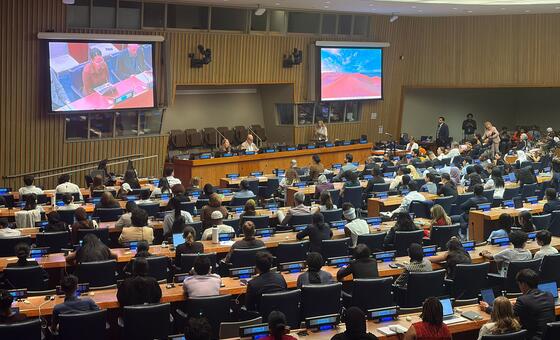
Global experts emphasize human inclusion in the development of smart cities
Urban planners and technology specialists are increasingly focusing on the social implications of digital infrastructure as cities integrate artificial intelligence and flood-resistant designs into their metropolitan frameworks.
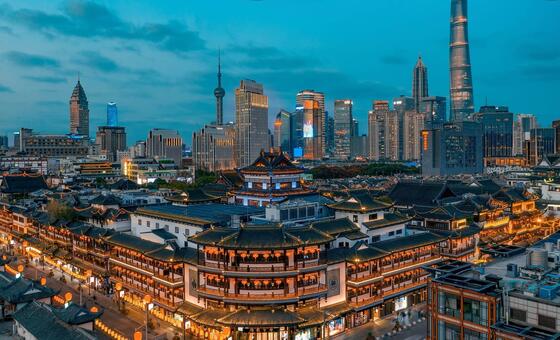
The rapid integration of artificial intelligence and digital modeling in urban environments is transforming the landscape of modern cities, though experts warn that the success of these innovations depends on public trust and social inclusion. According to UN News Economy, the transition toward smart city infrastructure is accelerating at an unprecedented scale, necessitating a focus on security and equitable access.
Technological advancements are currently being deployed across several critical urban sectors. Transit systems powered by artificial intelligence are being designed to optimize traffic flow and reduce commute times, while 'digital twins'—virtual replicas of physical cities—allow planners to simulate various development scenarios. Additionally, environmental engineering is being prioritized through the creation of flood-proof parks intended to mitigate the effects of climate change in densely populated areas.
The challenge of digital inclusion
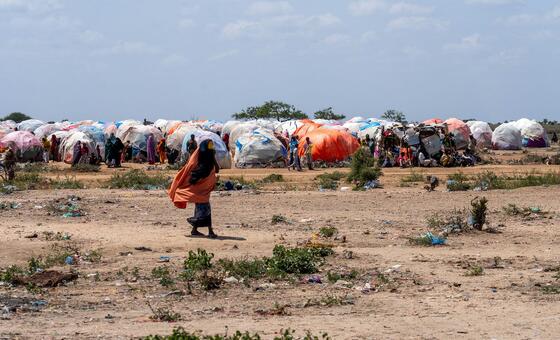
While the technological potential of these systems is significant, experts suggest that the human element remains the most critical factor in their implementation. The benefit of smart city initiatives is not guaranteed for all residents unless developers prioritize inclusion. There is a growing concern that without intentional design, certain populations may be left behind as essential services move to digital platforms.
Technological advancements are currently being deployed across several critical urban sectors.
Security and trust are identified as the primary pillars that will determine the longevity of these projects. As cities collect more data to manage resources, the protection of that information becomes a matter of public safety. According to the report, the acceleration of innovation must be matched by robust security protocols to ensure that digital infrastructure remains resilient against external threats.
Ultimately, the goal of the smart city movement is to enhance the quality of life for all inhabitants. However, achieving this requires a balance between technical efficiency and the social needs of the people at the heart of these urban centers. The future of urban living will likely be defined by how well cities manage the pitfalls of rapid innovation while maintaining a focus on human-centric development.
Based on reporting by UN News Economy.
يؤدي التكامل السريع للذكاء الاصطناعي والنمذجة الرقمية في البيئات الحضرية إلى تحول في مشهد المدن الحديثة، على الرغم من تحذير الخبراء من أن نجاح هذه الابتكارات يعتمد على الثقة العامة والإدماج الاجتماعي. ووفقاً لـ "أخبار الأمم المتحدة للاقتصاد"، فإن الانتقال نحو البنية التحتية للمدن الذكية يتسارع بمقاييس غير مسبوقة، مما يستدعي التركيز على الأمن والوصول العادل.
يتم حالياً نشر التقدم التكنولوجي في العديد من القطاعات الحضرية الحيوية. حيث يتم تصميم أنظمة النقل التي تعمل بالذكاء الاصطناعي لتحسين تدفق حركة المرور وتقليل أوقات التنقل، بينما تسمح "التوائم الرقمية" - وهي نسخ افتراضية للمدن المادية - للمخططين بمحاكاة سيناريوهات تنموية مختلفة. بالإضافة إلى ذلك، يتم إعطاء الأولوية للهندسة البيئية من خلال إنشاء حدائق مقاومة للفيضانات تهدف إلى التخفيف من آثار تغير المناخ في المناطق المكتظة بالسكان.
تحدي الإدماج الرقمي
في حين أن الإمكانات التكنولوجية لهذه الأنظمة كبيرة، يشير الخبراء إلى أن العنصر البشري يظل العامل الأكثر أهمية في تنفيذها. إن فائدة مبادرات المدن الذكية ليست مضمونة لجميع السكان ما لم يعطِ المطورون الأولوية للإدماج. وهناك قلق متزايد من أنه بدون تصميم متعمد، قد يتم تهميش فئات معينة من السكان مع انتقال الخدمات الأساسية إلى المنصات الرقمية.
يُعد الأمن والثقة الركيزتين الأساسيتين اللتين ستحددان مدى استدامة هذه المشاريع. ومع قيام المدن بجمع المزيد من البيانات لإدارة الموارد، تصبح حماية تلك المعلومات مسألة تتعلق بالسلامة العامة. ووفقاً للتقرير، يجب أن يقترن تسارع الابتكار ببروتوكولات أمنية قوية لضمان بقاء البنية التحتية الرقمية صامدة أمام التهديدات الخارجية.
في نهاية المطاف، يتمثل هدف حركة المدن الذكية في تحسين جودة الحياة لجميع السكان. ومع ذلك، فإن تحقيق ذلك يتطلب توازناً بين الكفاءة التقنية والاحتياجات الاجتماعية للأشخاص الذين يمثلون قلب هذه المراكز الحضرية. ومن المرجح أن يتحدد مستقبل الحياة الحضرية من خلال مدى قدرة المدن على إدارة مخاطر الابتكار السريع مع الحفاظ على التركيز على التنمية التي تتمحور حول الإنسان.