Engine failure shatters window on Ryanair flight causing passenger fatality
A recent investigation by the National Transportation Safety Board reveals that engine debris struck a Ryanair aircraft cabin, leading to the partial ejection of a passenger.
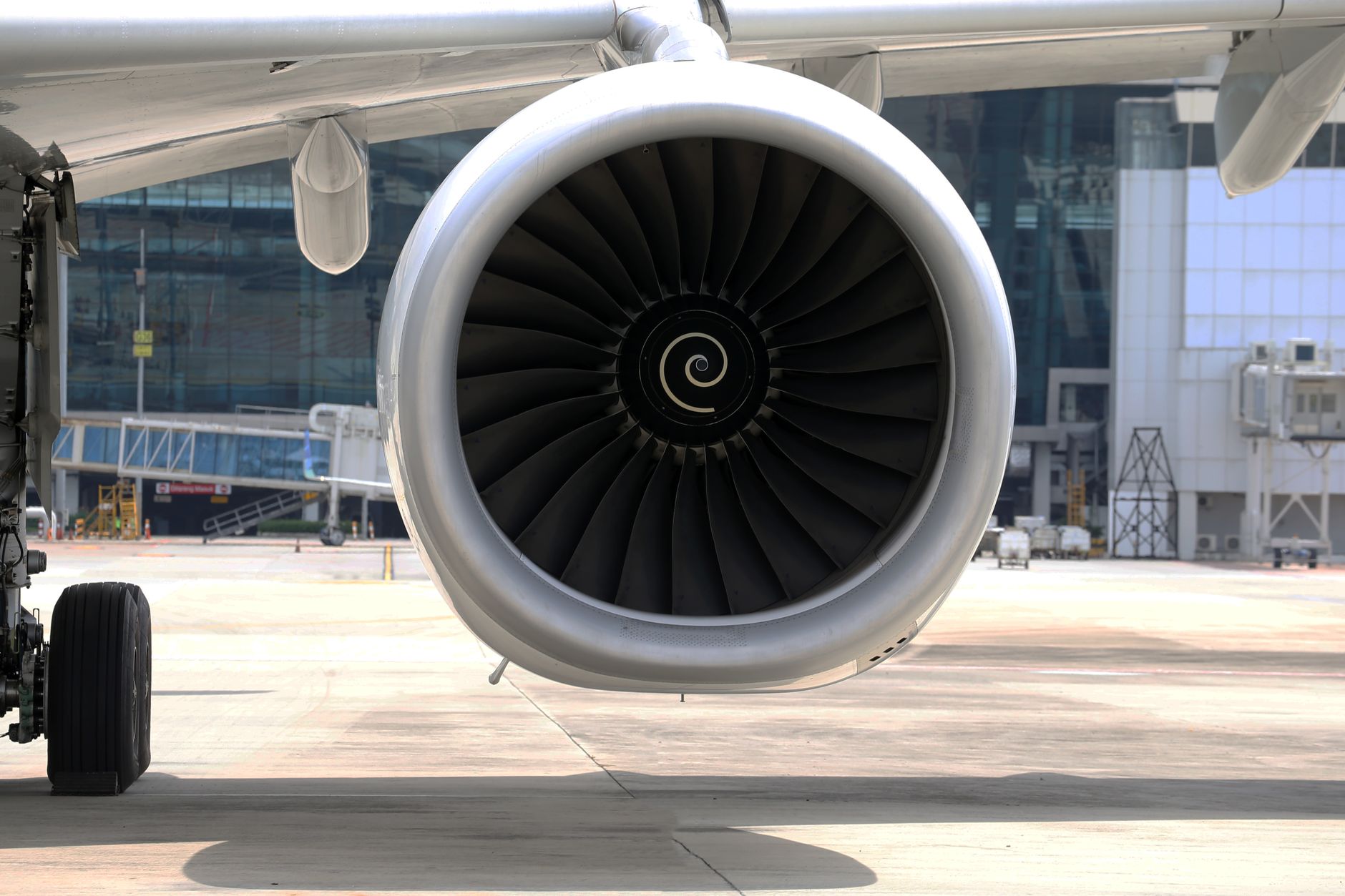
The National Transportation Safety Board (NTSB) has determined that debris from a failing engine struck a Ryanair aircraft during flight, shattering a cabin window and resulting in a passenger being pulled through the opening. The incident has raised significant questions regarding the maintenance history of the specific engine involved and the efficacy of bird strike prevention protocols.
According to findings released by the NTSB, the catastrophic failure of the engine sent fragments into the fuselage. The force of the impact compromised the structural integrity of the window, causing an immediate decompression that pulled the passenger toward the exterior of the aircraft. This rare but severe sequence of events has prompted a closer look at the mechanical history of the propulsion unit.
History of Bird Strikes
Investigators noted that the engine in question had a documented history of technical issues related to external impacts. Records indicate that flight crews had reported four suspected bird strikes involving this specific engine during the year preceding the accident. These previous incidents were documented in the aircraft's logbooks, though it remains unclear how these strikes contributed to the eventual structural failure of the engine components.
According to findings released by the NTSB, the catastrophic failure of the engine sent fragments into the fuselage.
The NTSB report focuses on the timeline of these reported strikes and whether they caused cumulative damage that was not detected during routine inspections. Bird strikes are a common occurrence in aviation, but repeated incidents involving a single engine are typically subject to rigorous maintenance review to ensure internal components have not been weakened.
Ryanair, an airline with an extensive network across Europe and parts of North Africa, operates a large fleet of narrow-body aircraft. The findings from this investigation are expected to influence safety standards regarding engine casing durability and the monitoring of repeated bird strike incidents across the industry. The NTSB continues to analyze the metallurgical data from the recovered engine debris to confirm the exact point of failure.
Based on reporting by Al Jazeera Africa.
خلص المجلس الوطني لسلامة النقل (NTSB) إلى أن حطاماً ناتجاً عن تعطل محرك أصاب طائرة تابعة لشركة "رايان إير" أثناء الرحلة، مما أدى إلى تحطم نافذة الكابينة وسحب أحد الركاب عبر الفتحة. وقد أثارت هذه الحادثة تساؤلات كبيرة تتعلق بتاريخ صيانة المحرك المعني وفعالية بروتوكولات الوقاية من اصطدام الطيور.
وفقاً للنتائج التي أصدرها المجلس، أدى الفشل الكارثي للمحرك إلى إرسال شظايا نحو جسم الطائرة. وتسببت قوة الارتطام في إضعاف السلامة الهيكلية للنافذة، مما أدى إلى انخفاض مفاجئ في الضغط تسبب في سحب الراكب نحو الجزء الخارجي من الطائرة. وقد دفع هذا التسلسل النادر والخطير للأحداث إلى إلقاء نظرة فاحصة على التاريخ الميكانيكي لوحدة الدفع.
تاريخ من اصطدامات الطيور
أشار المحققون إلى أن المحرك المعني كان لديه تاريخ موثق من المشكلات الفنية المتعلقة بالتأثيرات الخارجية. وتشير السجلات إلى أن أطقم الطيران سجلت أربع حالات اشتباه في اصطدام طيور شملت هذا المحرك تحديداً خلال العام الذي سبق الحادث. وتم توثيق هذه الحوادث السابقة في سجلات الطائرة، على الرغم من أنه لا يزال غير واضح كيف ساهمت هذه الاصطدامات في الفشل الهيكلي النهائي لمكونات المحرك.
يركز تقرير المجلس الوطني لسلامة النقل على الجدول الزمني لهذه الاصطدامات المبلغ عنها وما إذا كانت قد تسببت في أضرار تراكمية لم يتم اكتشافها أثناء عمليات التفتيش الروتينية. وتعتبر اصطدامات الطيور ظاهرة شائعة في الطيران، ولكن الحوادث المتكررة التي تشمل محركاً واحداً تخضع عادةً لمراجعة صيانة صارمة لضمان عدم ضعف المكونات الداخلية.
تدير شركة رايان إير، وهي شركة طيران تمتلك شبكة واسعة في أوروبا وأجزاء من شمال أفريقيا، أسطولاً كبيراً من الطائرات ذات الهيكل الضيق. ومن المتوقع أن تؤثر نتائج هذا التحقيق على معايير السلامة المتعلقة بمتانة غلاف المحرك ومراقبة حوادث اصطدام الطيور المتكررة في قطاع الطيران. ويواصل المجلس تحليل البيانات المعدنية من حطام المحرك المسترد لتأكيد نقطة الفشل الدقيقة.