Global Fish Production Reaches Record Highs Driven by Aquaculture Growth
The United Nations Food and Agriculture Organization reports that farmed seafood now provides the majority of human consumption as the industry faces mounting pressure from climate change.
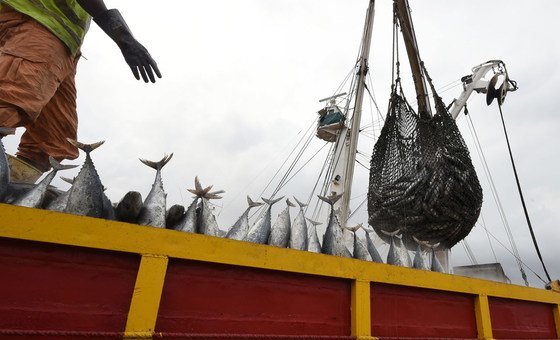
Global fisheries and aquaculture production have reached unprecedented levels, according to a new report by the Food and Agriculture Organization of the United Nations (FAO). The data marks a significant shift in global food systems, as aquaculture now supplies more than half of the fish intended for human consumption.
This landmark achievement highlights the growing importance of fish farming in meeting the nutritional needs of a rising global population. As traditional capture fisheries face limitations, the expansion of aquaculture has become the primary driver of growth in the sector. However, the UN agency warns that these gains are being threatened by the dual pressures of environmental degradation and industrial mismanagement.
Environmental and Resource Challenges
Despite the record-breaking output, the FAO report identifies rising global temperatures as a primary threat to the future of the industry. Warming oceans and changing aquatic environments are altering habitats and affecting the productivity of both wild and farmed stocks. These climate-related shifts present long-term risks to the stability of food supplies that many regions depend on for protein.
The data marks a significant shift in global food systems, as aquaculture now supplies more than half of the fish intended for human consumption.
Beyond climate factors, the report notes that overfishing remains a persistent obstacle to the sustainability of the sector. The depletion of wild fish stocks through excessive harvesting continues to undermine the ecological balance of the world's oceans. This puts further strain on the industry to ensure that production methods, particularly in the rapidly growing aquaculture branch, do not further damage marine biodiversity.
Future Industry Outlook
According to UN News Economy, the findings suggest that the future of global fish production will depend on the ability to mitigate these emerging risks. The transition to aquaculture as the dominant source of seafood provides an opportunity to alleviate some pressure on wild populations, but only if managed within sustainable limits. The report serves as a call for more robust management of aquatic resources to protect the industry from the accelerating impacts of a changing climate.
Based on reporting by UN News Economy.
وصل الإنتاج العالمي لمصايد الأسماك وتربية الأحياء المائية إلى مستويات غير مسبوقة، وفقاً لتقرير جديد صادر عن منظمة الأغذية والزراعة للأمم المتحدة (الفاو). وتمثل هذه البيانات تحولاً كبيراً في النظم الغذائية العالمية، حيث يوفر الاستزراع المائي الآن أكثر من نصف الأسماك المخصصة للاستهلاك البشري.
ويسلط هذا الإنجاز التاريخي الضوء على الأهمية المتزايدة لتربية الأسماك في تلبية الاحتياجات الغذائية لسكان العالم المتزايدين. ومع واجهة مصايد الأسماك الطبيعية التقليدية لقيود عديدة، أصبح توسع الاستزراع المائي المحرك الرئيسي للنمو في هذا القطاع. ومع ذلك، تحذر الوكالة الأممية من أن هذه المكاسب مهددة بالضغوط المزدوجة المتمثلة في التدهور البيئي وسوء الإدارة الصناعية.
التحديات البيئية وتحديات الموارد
على الرغم من الإنتاج القياسي، يحدد تقرير المنظمة ارتفاع درجات الحرارة العالمية كتهديد رئيسي لمستقبل الصناعة. وتؤدي المحيطات الآخذة في الاحترار والبيئات المائية المتغيرة إلى تبدل الموائل والتأثير على إنتاجية المخزونات البرية والمستزرعة على حد سواء. وتمثل هذه التحولات المرتبطة بالمناخ مخاطر طويلة الأجل على استقرار الإمدادات الغذائية التي تعتمد عليها مناطق عديدة كمصدر للبروتين.
وبعيداً عن العوامل المناخية، يشير التقرير إلى أن الصيد الجائر لا يزال يشكل عقبة مستمرة أمام استدامة القطاع. ويستمر استنفاد مخزونات الأسماك البرية من خلال الحصاد المفرط في تقويض التوازن البيئي لمحيطات العالم. ويضع هذا مزيداً من الضغوط على الصناعة لضمان أن أساليب الإنتاج، لا سيما في فرع الاستزراع المائي سريع النمو، لا تسبب مزيداً من الضرر للتنوع البيولوجي البحري.
آفاق مستقبل الصناعة
ووفقاً لـ "يو إن نيوز إيكونومي" (UN News Economy)، تشير النتائج إلى أن مستقبل إنتاج الأسماك العالمي سيعتمد على القدرة على التخفيف من هذه المخاطر الناشئة. ويوفر التحول إلى الاستزراع المائي كمصدر مهيمن للمأكولات البحرية فرصة لتخفيف بعض الضغط على الجموع البرية، ولكن فقط إذا تمت إدارته ضمن حدود مستدامة. ويعتبر التقرير بمثابة دعوة لإدارة أكثر قوة للموارد المائية لحماية الصناعة من الآثار المتسارعة لتغير المناخ.