Global trade faces disruption as Strait of Hormuz exports decline sharply
Early economic data indicates that recent blockages in the Strait of Hormuz are severely impacting international markets for energy products, fertilizers, and various industrial goods.
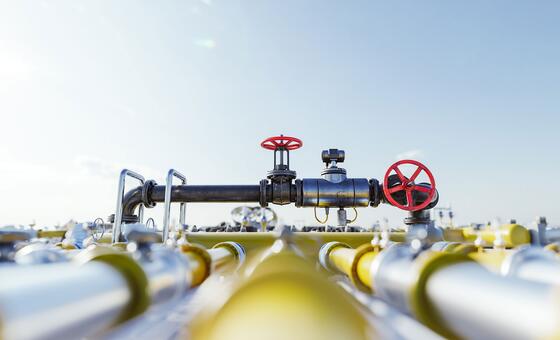
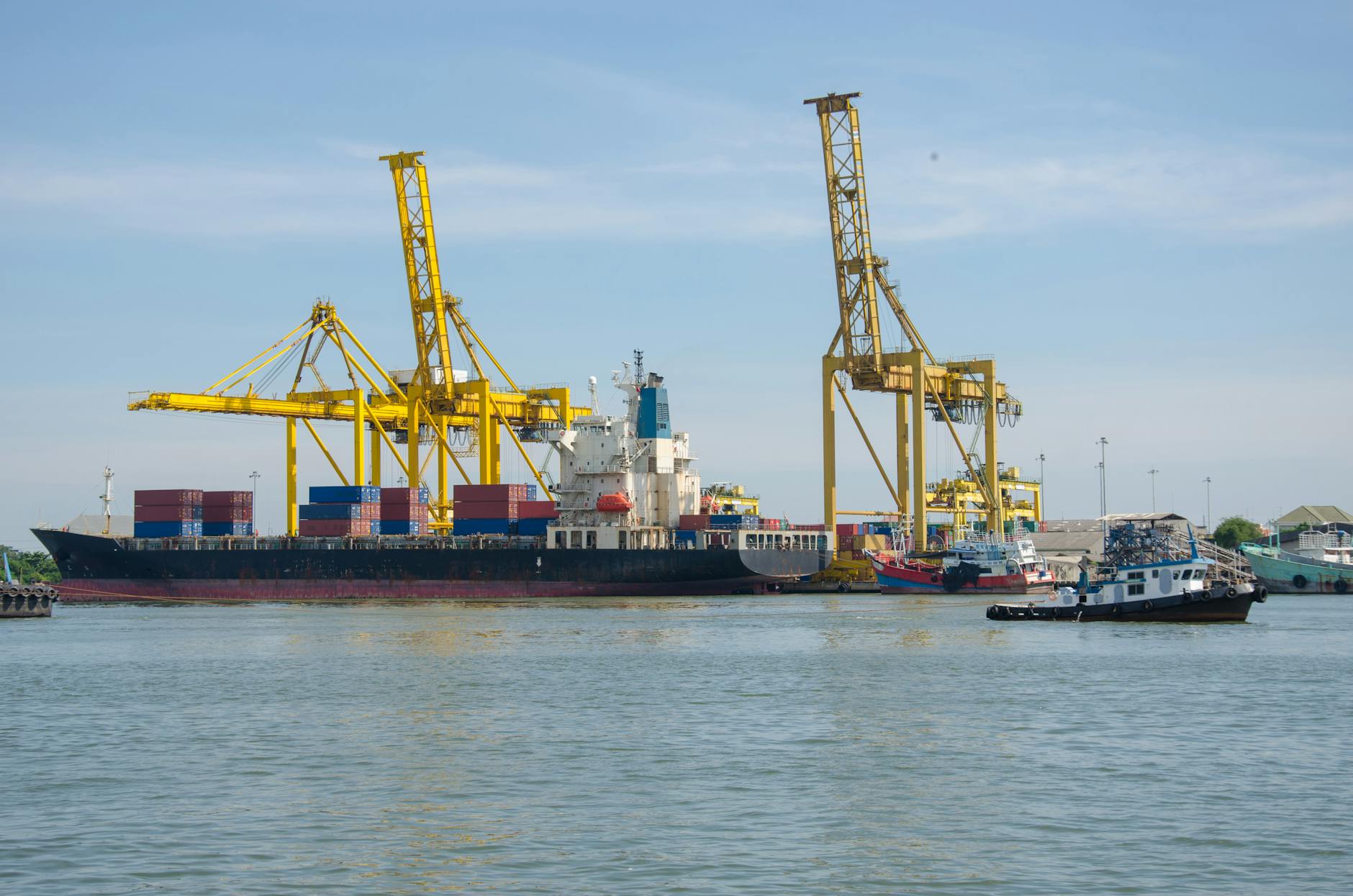
Disruptions in the Strait of Hormuz have caused a significant downturn in the global exchange of energy and industrial commodities, highlighting the fragility of international trade routes. According to UN News Economy, early data suggests that the flow of fertilizers and essential industrial products has fallen sharply as the maritime chokepoint remains constrained.
The Strait of Hormuz is one of the world's most critical transit points, particularly for the movement of hydrocarbons and chemical exports. Because a substantial portion of global energy supplies must pass through this narrow waterway, any operational interference immediately affects supply chains reaching from the Middle East to markets in Africa, Europe, and Asia.
Impact on essential commodities
The decline in fertilizer exports is of particular concern for global food security. UN News Economy reports that the current disruption has exposed how vulnerable the global economy is to a single maritime chokepoint. Many nations rely on these shipments to support agricultural productivity, and a sustained reduction in supply could lead to increased costs for farmers and consumers alike.
The Strait of Hormuz is one of the world's most critical transit points, particularly for the movement of hydrocarbons and chemical exports.
Industrial trade has also been hit, with data showing that the export of manufactured goods and raw materials is slowing. This contraction suggests that the impact of the disruption extends beyond the energy sector, affecting diverse manufacturing industries that depend on consistent shipping schedules through the region.
Vulnerability of maritime chokepoints
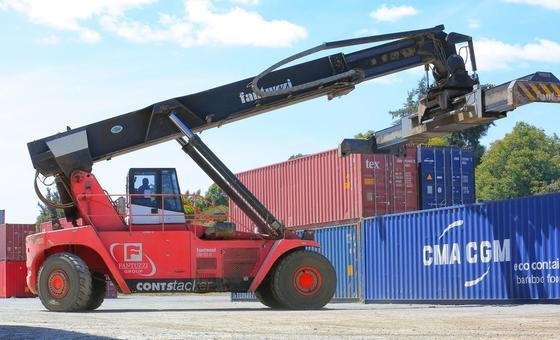
The situation underscores a broader risk within the global logistics network. When a primary chokepoint like the Strait of Hormuz is compromised, there are few immediate alternatives for the high volume of cargo typically moved by sea. Analysts suggest that the current sharp falls in exports serve as a reminder of the need for more resilient trade infrastructure.
As the disruption continues, international observers are monitoring the data to determine the long-term implications for global economic stability. For now, the immediate effect remains a measurable decrease in the export of the world's most vital industrial and energy resources.
Based on reporting by UN News Economy.
أدت الاضطرابات في مضيق هرمز إلى تراجع ملحوظ في التبادل العالمي للطاقة والسلع الصناعية، مما سلط الضوء على هشاشة طرق التجارة الدولية. ووفقاً لـ "أخبار الأمم المتحدة الاقتصادية" (UN News Economy)، تشير البيانات الأولية إلى أن تدفق الأسمدة والمنتجات الصناعية الأساسية قد انخفض بشكل حاد مع استمرار القيود في هذا الممر البحري الحيوي.
يُعد مضيق هرمز أحد أكثر نقاط العبور حرجاً في العالم، لا سيما لنقل الهيدروكربونات والصادرات الكيماوية. ولأن جزءاً كبيراً من إمدادات الطاقة العالمية يجب أن يمر عبر هذا الممر المائي الضيق، فإن أي تداخل في العمليات يؤثر بشكل مباشر على سلاسل التوريد الممتدة من الشرق الأوسط إلى الأسواق في أفريقيا وأوروبا وآسيا.
التأثير على السلع الأساسية
يثير الانخفاض في صادرات الأسمدة قلقاً خاصاً بشأن الأمن الغذائي العالمي. وذكرت "أخبار الأمم المتحدة الاقتصادية" أن الاضطراب الحالي كشف مدى ضعف الاقتصاد العالمي أمام نقطة اختناق بحرية واحدة. وتعتمد العديد من الدول على هذه الشحنات لدعم الإنتاجية الزراعية، وقد يؤدي التراجع المستمر في الإمدادات إلى زيادة التكاليف على المزارعين والمستهلكين على حد سواء.
كما تضررت التجارة الصناعية أيضاً، حيث أظهرت البيانات أن تصدير السلع المصنعة والمواد الخام يشهد تباطؤاً. ويشير هذا الانكماش إلى أن تأثير الاضطراب يمتد إلى ما هو أبعد من قطاع الطاقة، ليصل إلى الصناعات التحويلية المتنوعة التي تعتمد على جداول شحن منتظمة عبر المنطقة.
هشاشة نقاط الاختناق البحرية
يؤكد هذا الوضع وجود خطر أوسع نطاقاً ضمن شبكة اللوجستيات العالمية. فعندما تتعرض نقطة اختناق رئيسية مثل مضيق هرمز للخطر، تبرز قلة البدائل الفورية للكميات الهائلة من الشحنات التي تُنقل عادةً بحراً. ويرى المحللون أن الانخفاض الحاد الحالي في الصادرات يعد تذكيراً بالحاجة إلى بنية تحتية تجارية أكثر مرونة.
ومع استمرار الاضطرابات، يراقب المراقبون الدوليون البيانات لتحديد التداعيات طويلة المدى على الاستقرار الاقتصادي العالمي. وفي الوقت الحالي، يظل الأثر المباشر متمثلاً في انخفاض ملموس في صادرات الموارد الصناعية وطاقة الأكثر حيوية في العالم.